
‘Safe, welcoming and non-judgemental’ autism hub sees demand soar
Room One sees increased attendance, new referrals and plans to expand its reach.
Portsmouth’s autism hub has been praised as a “safe, welcoming and non-judgemental environment” as demand grows and plans emerge to expand.
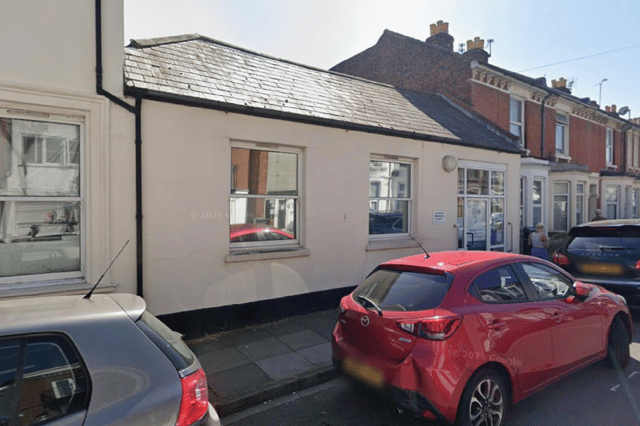

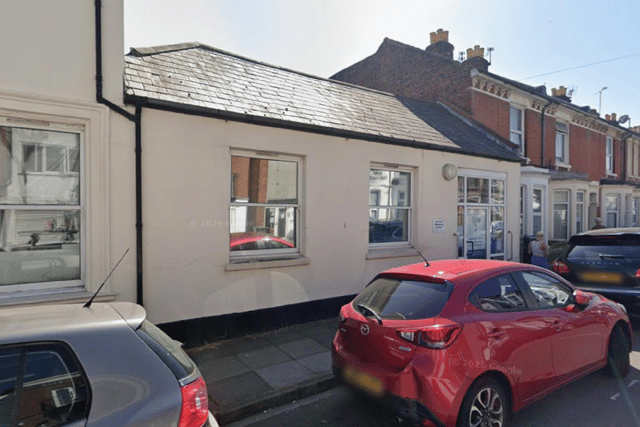
Room One, which is NHS-funded and delivered through the Portsmouth City Council’s adult social care service, provides peer monitoring and support, advice, guidance and signposting for autistic and neurodivergent adults aged 18 and over.
Its main achievements over the past year include a 66 per cent increase in one-to-one sessions, a 75 per cent increase in group attendance and 156 new referrals.
In a recent meeting Andy Biddle, the council’s director of adult social services, said there had been “significant interest” in the Room One model from other councils, including Brighton and Hove City Council and a council in the north of England, which was “particularly impressed”.
He said the organisation had developed strong outreach, with appearances at Portsmouth Pride and the Feel Good Fest, as well as engagement with medical, social and mental health practitioners.
Funding has been secured for two operational posts until March 2028.
Mr Biddle said he sees “all the positive feedback” about adult social care services in his role, adding that “Room One wins hands down” and is praised as a “safe, welcoming and non-judgemental environment”.
He said that, as demand continues to grow, the council is looking to recruit more volunteers and expand the service to the north of the city.
Councillor Matthew Winnington, cabinet member for community wellbeing, health and care, said feedback about the service had been “so impressive”, with “referrals coming out of our ears”.
He said one of the main benefits of Room One is that “you don’t need a diagnosis, and we know that a diagnosis for certain neurodivergent conditions are quite slow”.
In closing, he said: “Room One is a fantastic example of what we do – we’re getting more people using it so we need to make sure we have the resources to do that.”
Patrick Saunders, the facilitator, described it as a “fantastic year”, reflecting the “value of the work we are delivering together as a team”.
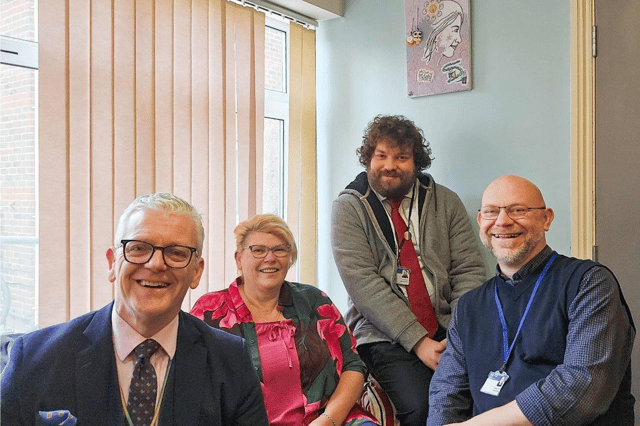
He said: “Every interaction holds the potential for meaningful change. Within these spaces, neurodivergent individuals are not only accessing support, but are also finding their community – building connections, developing confidence, and discovering a genuine sense of belonging.
“I am incredibly proud of what we have achieved this year. We have delivered on the commitments set out previously, strengthened our links with local communities, collaborated across departments, and developed promising partnerships that will support our continued growth.
“However, there is still much more to do. There are many individuals we have yet to reach – many voices still to connect with and support.
“To continue this journey, we need the resources and your support to grow – enabling us to develop new points of access, extend our reach, and deepen our impact.
“This year, I want to establish our service in the north of the city, keep building our volunteer offer and expand our capacity in line with demand.”
Veronica Price, chair of the Portsmouth Autism Community Forum, added: “Room One remains a unique resource in Portsmouth, the first of its kind, and its model and ethos are being copied elsewhere in the creation of new Autism Hubs. Indeed, there are already plans to create satellite hubs in the North of the city.
“Much is spoken about the need to increase Autism “awareness” and “acceptance”.
“Room One shows what can be done to change this narrative by making real and lasting changes to autistic lives, not by virtue signalling, flag waving and box ticking, but by actual work being done to transform lives, create supportive communities and restore hope for a better, more Neuroinclusive future.”
The report also includes three anonymous case studies highlighting the impact of the service.
In one, staff helped bring two clients, AL and R, together to collaborate on a short promotional film.
After learning that AL owned a Dalek, staff arranged a supported introduction between the pair. AL agreed to take part, giving him the opportunity to “show others what he can do”.
The pair are now making the short film, with R hoping to bring the finished production to Room One for a screening.
Another case study, involving A, describes how they were referred by the Adult Safeguarding Team amid concerns about discriminatory abuse relating to their gender within their family.
Staff initially provided a “safe space” for A to talk freely about their needs and challenges with daily living, including personal hygiene and social interaction.
As support developed, the focus shifted towards helping A move to a safer environment where they could live more independently. Staff supported them with preparations, accessing the Civic Offices and the transition to their new accommodation.
Since moving, A has received one-to-one support to develop practical living skills and establish new routines. They are now “managing well” in their accommodation and remain a regular user of Room One.
The final case study concerns P, who was referred by Child and Adolescent Mental Health Services after experiencing difficulties with everyday tasks, including getting out of bed, maintaining their nutritional intake and continuing their university studies.
Staff provided one-to-one sessions, using what was described as a “more talkative approach” to help P explore their experiences and feel understood and supported.
The support has helped P develop practical skills, including meal preparation, caring for their cats and attending the gym.
They have also made progress at university, where they are studying to become a social worker and are now sustaining the placement required to complete their course.
Room One can be found in the Spithead Resource Centre on Montgomerie Road in Southsea, information can be found on: www.portsmouth.gov.uk/services/adult-social-care/what-is-adult-social-care/autistic-and-neurodivergent-adults/room-one