
RNLI 'disappointed' with the way Portsmouth and Southampton communicated with crews who picked up migrants
The RNLI were denied entry to Southampton and Portsmouth
The RNLI is “disappointed” with the “nature of the communication” from Southampton and Portsmouth to the crew onboard the boats that picked up 120 migrants in the English Channel.
Both cities denied the RNLI boats entry and threatened legal action against lifeboat volunteers if they approached either harbour, The News understands.
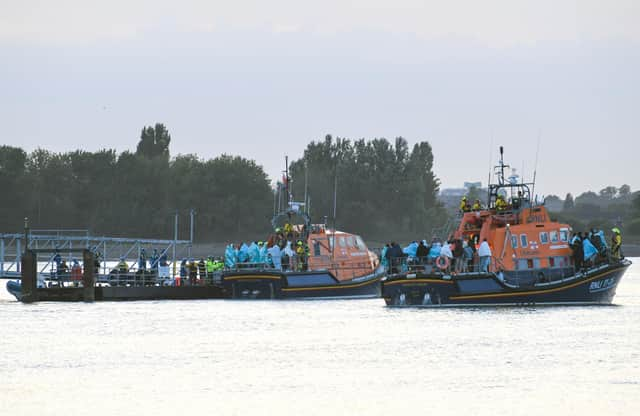
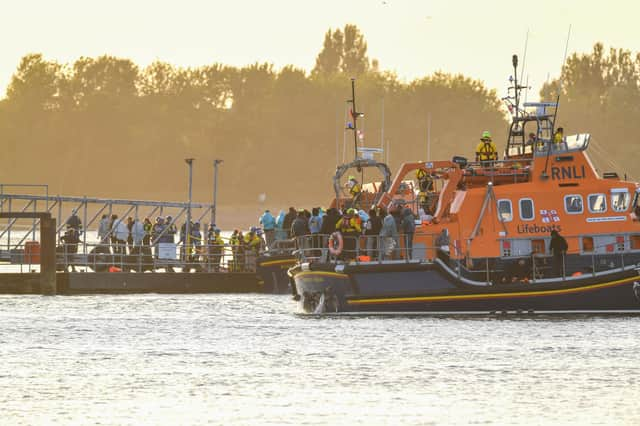
As previously reported by The News, on Sunday (September 6) the RNLI boats from the Isle of Wight were transporting migrants who attempted to cross the channel from Normandy in France to the English mainland. This is after they crossed into British waters to the south of the Island.
A broadcast on an open marine VHF radio detailed that Southampton Vessel Traffic Service and King’s Harbour Master Portsmouth - who decides which boats and ships can enter Portsmouth Harbour - denied the RNLI permission to enter into both of their ports and their approaches.

The RNLI said: “We are working with the relevant parties to understand the decision to deny access.”
A spokesperson for Associated British Ports confirmed the crew was told not to come to Southampton. They said: “ABP did receive an enquiry about landing recovered migrants at the Port of Southampton.
“We had to decline the enquiry as the Port did not have suitable reception facilities available.”
The News has approached the King’s Harbour Master Portsmouth for a comment.
The boats instead landed in Eastney Ferry Port in Langstone Harbour, controlled by the Langstone Harbour Board, which has a historical and legal Public Right of Navigation (PRN).
The broadcast also informed the RNLI coxswains from Bembridge and Yarmouth that failure to comply with this would lead to direct criminal prosecution against them.
Lifeboat crew are volunteers and give up their time to help people who get into difficulty in British waters. The RNLI aided more than 36,000 people across its lifeboat and lifeguard services in recent annual figures, with crews launching over 9,000 times per year to assist those in distress at sea.