
Proposals to build almost 1,100 homes a year in Portsmouth dubbed “totally unrealistic”
Proposals to build almost 1,100 homes a year in Portsmouth - 200 home than previously asked for - have been dubbed “totally unrealistic” after the city was given new housing targets by the government.
Senior Portsmouth Councillor Hugh Mason, Portsmouth City Council’s cabinet member for planning policy, criticised the new housing targets proposed by Angela Rayner’s recent planning overhaul and expressed mixed views on the newly proposed reforms to the English planning system.

The deputy prime minister and housing secretary unveiled the reformed planning policies to help deliver Labour’s pledge to build 1.5 million homes by 2029. Rayner stated that the reforms marked a significant step towards “getting Britain building again”.
She explained that the decisive reforms to the planning system aimed to correct “errors of the past” and set the country on the path to tackling the housing crisis.
If Labour’s targets are introduced, Portsmouth’s target would rise to 1,098 homes annually, much higher than the Conservative’s target of 897 homes per year. As part of this plan, housing targets, scrapped by the Conservatives in 2022, would become mandatory again, increasing targets across England to 370,000 homes annually, up from the current 305,000.
One key proposal is to reclassify low-quality land in the green belt, making it easier to build on land that was previously protected although the island city’s densely populated geography makes this less of an option. According to the government’s ‘golden rules,’ 50 per cent of developments on released green belt land must be affordable homes.
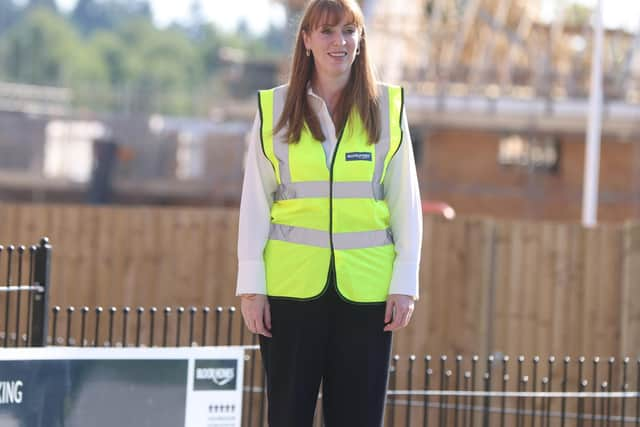
Cllr Mason believes Portsmouth can build 721 homes per year, including 40 homes in Fareham borough just outside the city boundary. He described the proposed target as “totally unrealistic given the nature of Portsmouth and land availability,” warning it would threaten “sustainable development”.
He stated that achieving these higher targets would require local planning authorities in South Hampshire to develop “a comprehensive idea of where we could put housing”.
“I am not panicking,” he added. “I recognise it is important for the country to raise targets for building homes, it’s just a question of where this is feasible.”
He expressed hope for the return of the duty to cooperate, which required councils to consider joint approaches to plan making. He also voiced support for high-density residential development, “as long as we can get the infrastructure right,” such as roads, healthcare services, and schools.
Members of the public can view and comment on Labour’s draft National Planning Policy Framework here.