
New planning bill sparks backlash over threats to Hampshire habitats
A new planning bill has faced strong criticism from conservation groups, who say it threatens long-standing environmental protections and breaks key Labour promises on nature.
The Hampshire & Isle of Wight Wildlife Trust is calling on the Government to scrap Part 3 of the Planning and Infrastructure Bill, which it says would remove important protections for some of the country’s most sensitive wildlife areas, including the New Forest and Hampshire’s chalk streams.
Debbie Tann MBE, Chief Executive of the Trust, called the bill “the biggest – and most damaging – change to environmental protections in a generation,” and said Labour’s promise to protect and restore nature would be “betrayed” if the bill becomes law.
“Only 8 per cent of England is protected for nature, and less than half of that is in good condition,” she said. “Stripping away these protections makes recovery impossible.”
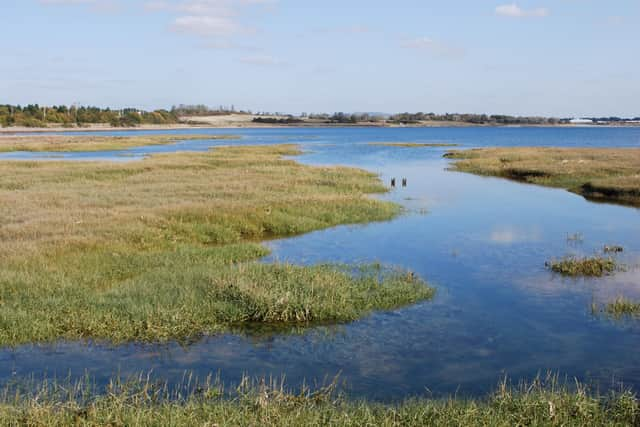

The most controversial part of the bill is a plan that would let developers avoid strict habitat rules by paying into a “Nature Restoration Fund.” Critics say this could mean natural areas are destroyed in one location, while efforts to replace them happen far away – bringing no real benefit to the local environment or people.
The Office for Environmental Protection has already called the bill “environmentally regressive.” Although nature groups have tried to make changes to the bill, the Government has rejected those suggestions. As a result, the Wildlife Trusts and the RSPB are now campaigning together to remove Part 3 entirely.
A Savanta poll, commissioned by the Wildlife Trusts, shows that only 26 per cent of voters believe the Government is taking the nature crisis seriously. Just 25 per cent would support new developments if they damaged the local environment.
A Government spokesperson defended the bill, calling it a “win-win” that would “unblock building and economic growth” while delivering “positive environmental outcomes.”
The Government says the bill will speed up development and improve nature by replacing slow, individual assessments with more strategic planning.
The Government says the Nature Restoration Fund will improve nature and fix the current system by letting developers pay into a shared fund for large-scale projects. This, they argue, will speed up building, cut costs, and still deliver positive environmental results.