
MP warns government to step up action to improve Hampshire's soil health
ENVIRONMENT chiefs in the government have been urged to step up their action to improve ‘soil health’ in Hampshire’s chalk downlands.
Meon Valley MP Flick Drummond issued the demand to leaders during the debate on the Environment Bill in the Commons.
The MP welcomed the legislation’s commitment to an environmental improvement plan, which mentioning soil health and a commitment to achieve sustainable soil management by 2030.

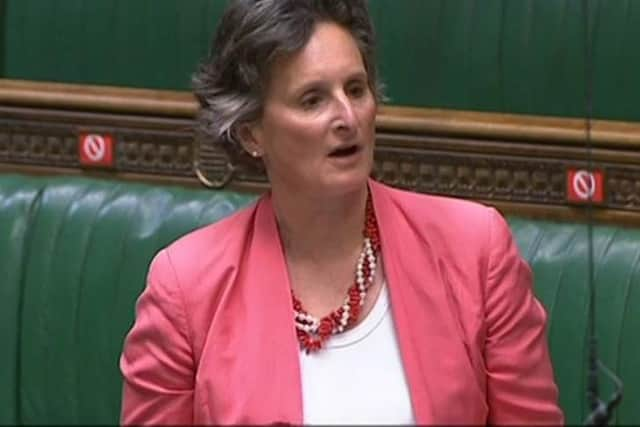

However, she told MPs in the Commons: ‘In Meon Valley, the health of our chalk down land is of primary importance to agriculture and the environment. While we are encouraging farmers to plant more trees and hedges, it is important – especially for small farmers – that we support the productivity and health of pasture land through soil improvement and restoration.
‘As I mentioned in a previous debate, 80 per cent of our soil nationally is dead, so I am particularly interested in how we can promote soil health, which is vital to farm productivity and nature recovery generally. We have cut right back on pollutants we put into the ground, but there remains more we can do to promote healthy soil.’
Mrs Drummond said she wanted to see a plan for all five of the UK's identified soil types to promote better health and recovery.
‘Pasture land is a key component of this and is vital to farmers across Meon Valley, with many finding that soil can be regenerated through improved carbon capture, water infiltration, soil fertility and nutrient cycling. They see an increase in biodiversity, and we need to support them.
‘In addition, healthier pasture lands lead to lower fertiliser and pesticide use, which can in turn benefit the health of our rivers,’ she said.
Flick added she welcomed clauses on river water abstraction limits, in particular for Hampshire’s chalk streams, which includes the Meon and the Itchen.
‘Chalk streams across the country are already in a shocking state of health,’ she warned MPs.
‘The WWF report says that only 12 out of England’s 224 chalk streams are protected, and of those, only 15 per cent are classed as adequately protected and meeting conservation objectives.
‘I am pleased that both rivers in my constituency are among the few protected, but better management of pasture land will reduce the need for pesticides and fertilisers that run off to pollute rivers.’