
Labour councillors support South East Hampshire council plan amid wider debate
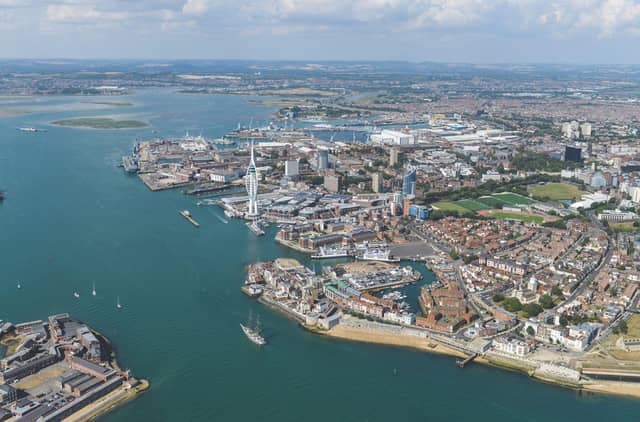

Labour councillors across Fareham, Gosport, Havant and Portsmouth have welcomed plans to create a single authority covering the area.
The move comes after Portsmouth City Council advanced the government’s local government reorganisation (LGR) agenda last week.
LGR proposes replacing county and district councils with larger unitary authorities responsible for all local services, typically serving populations of around 500,000.
Portsmouth councillors voted to reject LGR formally, but agreed a fallback position should the government refuse their rejection. The Liberal Democrat administration has described the “least detrimental” option as joining Portsmouth with Gosport, Fareham, Havant and several East Hampshire and Winchester parishes.
Cllr Charlotte Gerada, Labour Group Leader on Portsmouth City Council, said she frequently hears from young people unable to get on the housing ladder, families struggling with social care and parents battling “an overly complicated SEND system”.
“This is our chance to fix these issues,” she said. “By uniting as one, we can share resources, cut duplication and build a more secure future not just for now, but for the next generation.”
Cllr Phil Munday, Labour Leader of Havant Borough Council, said reorganisation would “put us in the driving seat” on issues such as transport, education and social care.
“No longer will you have to buy two bus tickets to get to the Pompey game if you live in Havant. No longer will our area be left fighting over the crumbs of funding. We will take back control of local buses and get our fair share through the funding formula. These are the game changing powers that will bring big improvements to our area.”
Cllr Gemma Furnival from Fareham Borough Council said she regularly sees the “frustration” of residents “trying to unpick the two levels of local government”.
“This moment represents a real opportunity to bring all services together.”
Cllr Jonathan Brown from Gosport Borough Council said the reforms “will give a stronger voice to local communities and enable a fairer distribution of resources and a better future for Gosport residents”.
(Hear the views of Hampshire County Council’s leader in the video embedded in this story)
Scepticism towards LGR
The Portsmouth City Council administration has been critical of LGR, arguing the city is financially stable and should be exempt. In its final submission, the council will again urge ministers to “leave the city alone”.
Concerns have been raised about whether a new authority would inherit deficits from other councils, including Hampshire County Council’s projected £97m shortfall in 2025/26.
Council leader Cllr Steve Pitt estimated in a letter to government that a new South East Hampshire authority would begin with a deficit of £67m. He argued that Portsmouth “understands what it is and has a deep sense of community” which could be diluted by “lumping” the city into a larger council.
Independent councillor Cal Corkery, former leader of the Labour group, said the deficit risked a “return to local government austerity and the loss of valued local jobs and services”.
“A 1 per cent tax on the wealth of billionaires would raise enough to fund public services properly and build 100,000 genuinely affordable council homes every year. We don’t need to accept a future of doom and gloom – there is always an alternative.”
Conservative councillor Spencer Gardner also raised concerns about council tax harmonisation across the four areas, resulting in higher rates for Portsmouth residents.
“My primary concern is the undue burden this could place on Portsmouth residents, many of whom are already grappling with rising living costs, energy bills, and economic pressures.”
During the full council meeting last week, Chris Ward, director of finance and resources, confirmed there is a risk that council tax rates may be increased in Portsmouth as a result.
Next steps
All submissions will be considered by the Ministry for Housing, Communities and Local Government, which will decide which proposals go to public consultation.
Ministers are expected to make a final decision in spring 2026. Shadow authority elections for the new councils would be held in 2027, with the new structures taking effect the following year.