
Gosport facing maximum council tax rise from borough - but leader Peter Chegwyn says it's 'not enough'

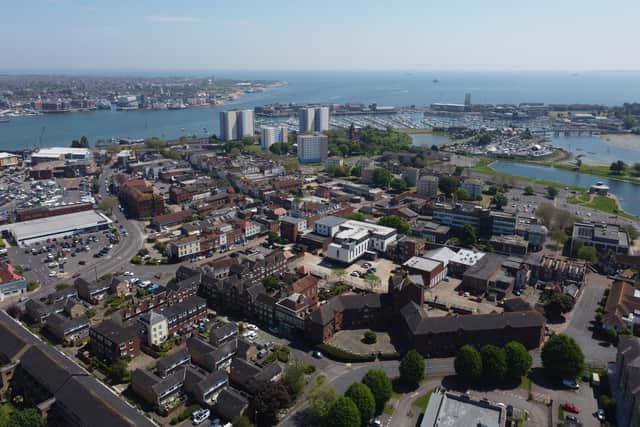
People living in Gosport are facing their borough council tax rising by the maximum amount – but even that “is not enough”.
Gosport Borough Council’s recent full council meeting approved the 2.99 per cent increase in the council tax it receives, meaning taxpayers in a band D home will pay £263.01 more per year and £204.56 for band B.
This is on top of suggested increases of 4.99 per cent for Hampshire County Council, 5.35 percent for Hampshire Police and Crime Commissioner and 6.05 per cent for Hampshire and Isle of Wight Fire and Rescue Authority.

However, the rise for the county council is lower than first thought as the government rejected plans for a 15 per cent increase.
Had that gone ahead, a Gosport Borough Council document said the total council tax for a band B home would cost £1,858.46 and band D £2,389.45 for 2025/26.
A council spokesman said revised figures, reflecting the 4.99 per cent county council rise as opposed to 15 per cent, will be provided in due course.
The average council taxpayer in Gosport (band B) currently pays £1,658.93 of which £198.62, 12 per cent, goes to Gosport Borough Council.
Council leader Cllr Peter Cegwyn (Lib Dem, Forton) said at the February 5 meeting: “The 2.99 per cent increase is not enough, but that’s all the government will allow. It gets harder year by year to deliver a balanced budget. We deliver a tight ship and run good public services at a good cost.”
The extra money raised will be used to support Citizens Advice which offers free advice for residents, voluntary community organisations grants. Cllr Chegwyn said the council will be looking after people’s physical and mental health through maintaining and improving sport and leisure facilities including Stokes Bay Splash Parks and floodlighting the skateboard facilities.
The council’s medium term budget report said about half of all residents pay the full amount of council tax with half being entitled to some form of discount, exemption or local council tax support.
The local council tax support (LCTS) scheme for 2025/26 was also approved by the council members for another year, unchanged from 2024/25. It is a benefit scheme for working-age, and pension-age residents.
Budget documents said council tax will represent 49 per cent of the council’s total revenue funding estimated at £6,935,520 for 2025/26. As government funding has reduced this has become important and a dependent source of funding for the council.
Council tax is based on the value of domestic property. The amount of council tax you pay depends on the valuation band your home falls into. The bands range from A to G, with the smallest and cheapest properties falling into band A and the largest and most expensive homes coming under band G.
Council can only increase council tax by 2.99 per cent per year, plus another two per cent for those with social care responsibilities, and any increases above the threshold must either have government approval or a referendum must be held.
You usually have to pay council tax if you’re 18 and over. A full council tax bill is based on at least two adults living in a home, but people who live on their own can claim a discount of up to 25 per cent.