
Gosport council to spend £40,000 on wildflowers to rewild some of town's grassy areas
Gosport is set to spend £40,000 on planting wildflowers over the next two years, with the areas covering around 10 football pitches.
Gosport Borough Council will be transforming lawns into wild and colourful naturalised flower zones.
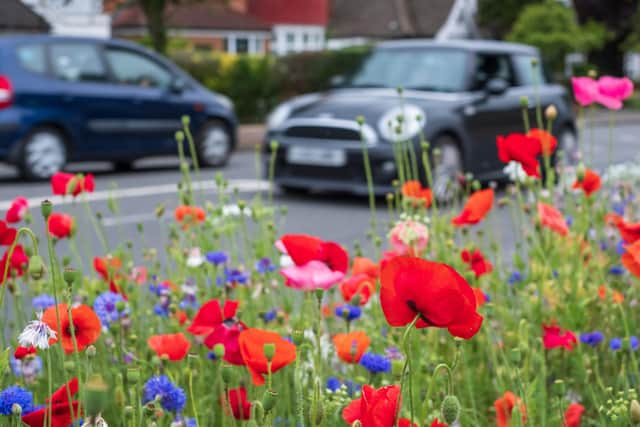

Large open spaces have been chosen, with hopes of rewilding five per cent of the council's grassed areas.
The cost for seeds and peat-free compost is estimated at £0.80 per sq m setting the cost of 50,000sq m at £40,000.

Cllr Philip Raffaelli, deputy leader of the council and chairs the community board, approves the rewilding scheme.
He said: ‘There's an important place for the traditional maintenance regime where grass is kept short. But these days we're increasingly aware that such areas have little value for wildlife.
‘By rewilding some areas we hope to encourage nature and help meet the challenge of climate change.
‘We also recognise, especially following recent lockdowns, how important natural areas are for everyone's well being.
‘Only a small proportion of grassed areas under the control of the council is covered by this new approach.
‘Areas of formal planting like the Falkland Gardens will not change.
‘And this decision doesn't mean we will leave these areas unattended. We will manage them to help nature flourish.
‘This is a trial approach, which we may extend to other areas.’
Some areas will be largely handed over to nature, being cut only once or twice a year, with the goal of eventually creating a mini-meadow.
The benefits of rewilding grassed areas include creating new habitats for wildlife such as birds and hedgehogs and providing food for pollinators such as bees and birds.
Also, residents will have more attractive landscapes that can improve the health and wellbeing of the community.
Rewilding can help areas cope with hotter and drier weather, which can turn mown grassed areas into emitters of CO2, rather than absorbers.
If residents have ideas for areas that might be suitable as natural flower zones, they can contact [email protected]