
Former Records Office could be replaced by sheltered housing scheme
Council considers £15.45m redevelopment plan for vacant Records Office near city museum
Portsmouth’s vacant former Records Office could be demolished to make way for a sheltered housing scheme with 44 homes.
Portsmouth City Council’s cabinet will consider proposals to redevelop the former Records Office, off Museum Road, at its meeting on October 27.
The council was previously urged to turn the Records Office into a Sherlock Holmes Museum by actor and presenter Stephen Fry.
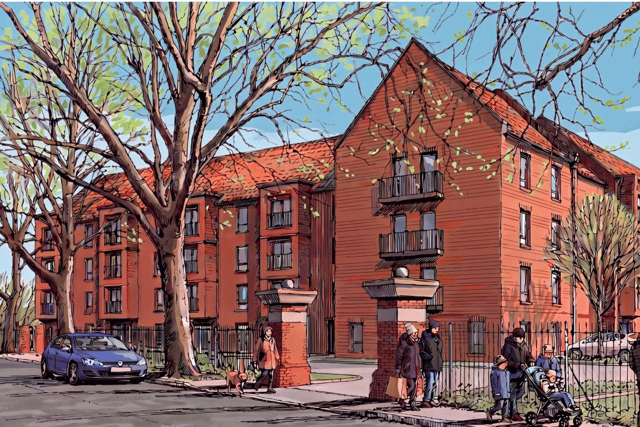

The plans would see the existing building replaced with 44 one-bedroom sheltered flats, including four fully wheelchair-accessible homes, alongside communal gardens, a residents’ lounge and dining facilities.
A council report recommends approving the redevelopment in principle, with a £15.45m budget.
Alternative uses, including a museum, arts space and conversion into homes, were considered but dismissed on grounds including financial viability and the number of properties that could be delivered.
A public engagement event in September received 57 responses. Of these, 43 supported sheltered housing on the site. Seven responses opposed the proposals, preferring a cultural or museum-related use.
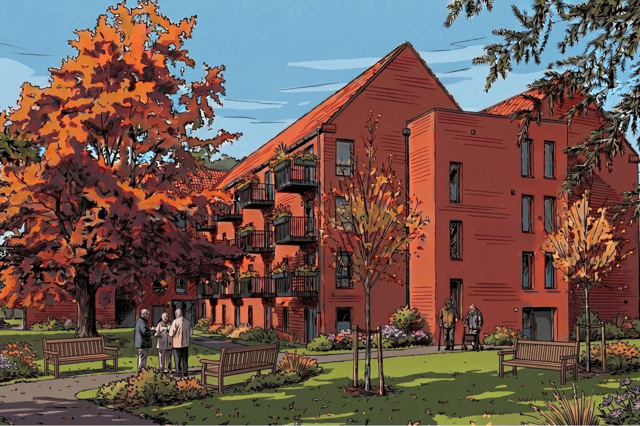
The site sits within the Old Portsmouth Conservation Area and the building is considered curtilage-listed, meaning listed building consent would be required for demolition.
If approved, the scheme would progress through further design work, consultation and planning applications. The council’s indicative programme targets completion in December 2030.
The building has been vacant since 2011 and has deteriorated significantly, with subsidence, damp and mould among the problems identified in a 2021 condition survey. The council said it was beyond economic repair without significant investment.
The building is located on the “former site of the city moat” which would have contributed to its “subsidence and settlement issues”.
The downward subsidence is “significant” and is likely the result of ground conditions which consists of clay, silt and sand leading to cracks being recorded “throughout the structure”.
The report adds that the “building has reached the end of its operational life and is no longer structurally sound without significant investment”.
“It is considered beyond economic repair, and the council cannot justify the cost of retaining, maintaining or refurbishing the asset in the absence of an identified future use.”