
Government commits to regulating funeral sector after Elkin and Bell scandal
Government Commits to Funeral Regulation
News that the government has committed to regulating funeral sector after the Elkin and Bell scandal has been welcomed by Gosport’s MP who has been spearheading a campaign.
The Health Secretary confirmed today [September 1] that the Government would “bring forward comprehensive proposals to ensure respect and dignity for the deceased in every setting, to drive rogue operators out of the funeral industry, and to protect other families from suffering this same heartache”.
It follows the horrific case of Richard Elkin and Hayley Bell who were jailed for four years after running a fraudulent funeral business in Gosport that left 46 bodies in unrefrigerated and in degrading conditions. As a result, Dame Caroline Dinenage spearheaded a campaign to introduce statutory minimum standards in the funeral sector.

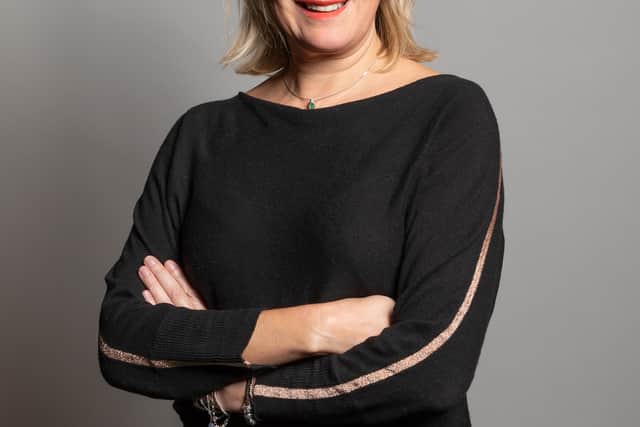
She said: “I welcome the Government’s commitment to stronger oversight and proper regulation of this opaque sector. The majority of funeral directors operate with impeccable professionalism, but when it goes wrong, as with Elkin and Bell, it results in a catastrophic lack of trust in the sector.
“I will be pushing the Government to bring forward its proposals as quickly as possible.”
In March, Dame Caroline held a Parliamentary debate where she highlighted the pressing need for “a minimum standard of qualification, accreditation or licensing, and robust inspection” in the funeral sector.
50 MPs from across the political spectrum also signed a letter coordinated by Dame Caroline and Leeds South West and Morley MP Mark Sewards calling for the Government to:
- Publish an immediate, comprehensive response to the Fuller Inquiry recommendations and commit to implementing them in full.
- Back amendments to the upcoming Health Bill to establish a clear, statutory regulatory framework for funeral directors.
- Provide the necessary funding to enable the Human Tissue Authority, or other relevant public authority, to inspect, license, and regulate the funeral industry.
As previously reported by The News, there are currently no minimum standards of care for the deceased, no system of statutory professional regulation, and no duty of care to a person after they have died. But the government has announced that this is to change.
In a written statement, available here, Rt Hon Yvette Cooper, announced that the Government’s proposals would “seek to crack down on rogue operators in the funeral sector and ensure better protection for bereaved families.”

Today’s statement suggests that the government will introduce a scheme of regulation which it calls “comprehensive”, “detailed”, “proper” and “formal”. Detailed plans and timetables for the implementation of these new proposals will be set out “in due course”.
Dame Caroline said that the regulatory vacuum was laid bare in July when Robert Bush, the former director of Legacy Independent Funeral Directors in Hull, was sentenced to 20 years' imprisonment after pleading guilty to 67 charges, including preventing the lawful and decent burial of the dead, fraud, fraudulent trading and theft.
Bush's case is not an isolated one, with Elkin and Bell were jailed in February. And in Leeds, funeral director Amie Upton was found to have placed the bodies of dead children in lifelike positions in her own living room.

Dame Caroline Dinenage has warned that without urgent Government intervention, further cases of neglect and abuse are inevitable. She has also tabled an amendment to the Health Bill, which will be debated at Report Stage on Monday, September 7.
The new clause would require the Secretary of State to extend the remit of the Human Tissue Authority, within six months of the Bill passing, to cover the regulation of funeral directors, private mortuaries, direct cremation services and any other organisation that transports or holds the bodies of the deceased.