
Crime, costs and national politics shape Portsmouth election battleground
Portsmouth politicians share what they’ve heard on the doorstep ahead of the local elections.
Cost of living pressures, plans for local government reorganisation and dissatisfaction with Keir Starmer are the dominant concerns on the doorstep, Portsmouth politicians have said.
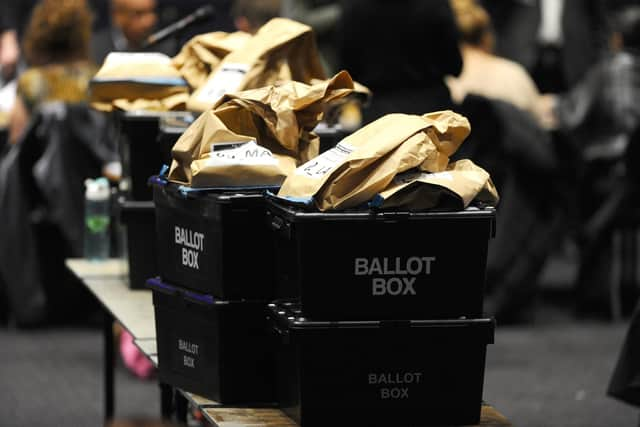

As the city gears up for the local elections on May 7, party representatives say conversations with residents have been shaped by a mix of national and local issues.
This year’s Portsmouth City Council elections will see 14 seats contested, a third of the chamber, with one councillor elected in each ward.
Steve Pitt, council leader and Liberal Democrat candidate defending his Milton seat, said: “People are genuinely concerned about the cost of living still understandably especially with what’s going on in Iran – that’s pushing up costs again”.
He added that residents had also raised concerns about proposed local government reorganisation, which could see Portsmouth merged with Havant, Fareham and Gosport.
He argued the Labour government had previously promised a more collaborative approach with councils, rather than imposing changes not set out in its manifesto.
Cllr Pitt said “not much has changed” since the 2024 local elections, with the cost of living still “in the forefront of people’s minds”.
Cllr Simon Bosher, leader of the Conservative group, said the “number one thing” he had encountered was a “backlash against the Labour government”.
He said residents had raised concerns about the decision to scrap the winter fuel allowance, its subsequent U-turn, and wider cost of living pressures.
He also pointed to “general concerns” about Reform UK, alongside what he described as “divisive politics” and “national rhetoric” overshadowing local issues.
He added that many former Portsmouth Independent Party voters “can’t bring themselves” to support Reform following the defection of all PIP councillors over the past year.
Reform UK councillor George Madgwick, who led the group until stepping down in January, said “we’re hearing a lot more national issues” than in previous campaigns.
He added that he had heard little concern about local government reorganisation, suggesting “no one seems to know about it”.
He said a popular sentiment was “getting Keir out”, expressed by voters across the political spectrum.
He also suggested that some votes that might previously have gone to Labour were “going to the Greens” rather than the Liberal Democrats or Conservatives, “which is strange in Portsmouth”.
While local elections do not directly affect national government, they are often seen as a litmus test for the next general election.
Councillor Charlotte Gerada, leader of the Labour group, said crime remained a key concern, with residents raising issues including drug dealing, anti-social behaviour, shoplifting and fly-tipping.
She also highlighted worries about road safety, including speeding, traffic levels and pollution, as well as the condition of roads.
Cllr Gerada pointed to Labour’s “stop dodgy shops” campaign, aimed at tackling the proliferation of “vape and barber shops” and the sale of illicit tobacco and vapes, alongside “wider concerns about the criminality some of these shops are masking”.
She also recounted how one local father had to warn his primary school-aged son about the risks of vaping, as “every time they walked past the shops and saw the vape adverts in the shop windows” and because “many in his year had already tried vaping”.
How to vote
You must be on the electoral register to vote. If you are not registered, you can apply online at Register to vote – GOV.UK.
The deadline to register for these elections is Monday, 20 April.
If you are unable to vote in person, you can apply for a postal vote. Applications must be received by 5pm on Tuesday, 21 April. You can apply online via the council’s website or download and return a form.
Alternatively, you can appoint someone to vote on your behalf as a proxy. The deadline for proxy applications is 5pm on Tuesday, 28 April. You can find out more on the council’s website.
If you are registered, you should receive a poll card by post showing your nearest polling station.