
Councillors highlight new Silkworth hub supporting addiction recovery
Two Portsmouth councillors have shared their experiences working with the Silkworth Project, which has opened a new hub on Elm Grove.
Portsmouth City Councillors Nick Dorrington and Dave Ashmore have spoken about their involvement with the Silkworth Project, a supported housing scheme for people trying to rebuild their lives after addiction.
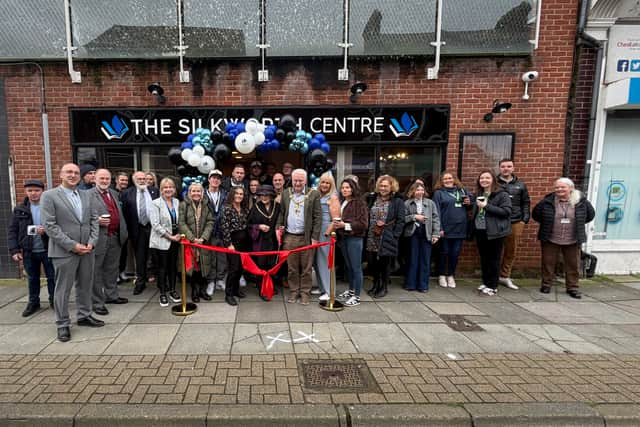

Cllr Dorrington previously told the Local Democracy Reporting Service about his own experiences with addiction and his journey to recovery.
The facility, which opened on 13 February at 83 Elm Grove, serves as a hub for service users and others seeking support with addiction recovery.
He said the service has seen “some real successes” with clients, adding: “We’re the only service that doesn’t throw people out for using drugs and alcohol.”
People struggling with addiction can still be using substances while seeking help. If they show “promise”, they move into a “transitional stage”, where they can access group sessions, one to one support and twelve step programmes.
If a person can demonstrate 30 days of abstinence, they may then move into a dry facility. If someone relapses, “we don’t throw them out on the street”, he said, explaining they simply return to the transitional stage.
He said many addicts try to “escape their life”, so “it’s for them to create one that they want to be engaged in”, adding: “we try to make that happen”.
He added that nearly all of the staff have had experience with alcohol or substance use, and they all aim to “instill a sense of purpose and a sense of self” in the clients they meet.
He said the hub can provide national vocational qualifications, foodbanks, cookery classes and childcare courses, which could help clients be reunited with their children.
He added that “addiction doesn’t discriminate” and that people from all backgrounds have engaged with the service including wealthy people, veterans and people from deprived backgrounds.
Cllr Dave Ashmore works as the housing liaison officer, making sure everyone in the dry house “is as comfortable as possible”.
He stressed the importance of addressing the stereotypes surrounding addiction, saying “it can be anybody, you might know someone who’s an addict without realising, it can be anyone from any income bracket, background or nationality”.
“You meet people here who have experienced homelessness, people who have academic backgrounds, people who have run businesses – there’s a wide spectrum.”
He said that seeing people get better is “definitely rewarding”, as “sometimes you see people at a very low moment in their life and now they have a place to stay, they’re getting happier, they’re getting support, you can see them better and you can help with that encouragement”.

Andy Ripley, the senior service lead, has been working in the substance field for 29 years across rehabs, detoxes and Queen Alexandra Hospital.
He said that everyone on Silkworth’s team is “passionate about recovery and supporting people” and that there’s a lot of “empathy and care”.
In other facilities, for some people “it’s a job, they come in, they go home, whereas here everyone lives and breathes recovery”.
He championed the centre’s tea and toast and arts and crafts days, which invite people with addiction issues into a “therapeutic environment” where they can learn more about recovery pathways.
He said trips are being organised as, for many addicts, their addiction took over their life, replaced with using drugs and earning money.
“There are some people who have lived in Portsmouth for 15 years and they haven’t left the island.”
Silkworth is currently housing 72 people and is helping a total of 84 across the city.
The service has received positive feedback from service users. A testimonial by a woman called Sue said she was “welcomed with open arms by Silkworth” and continued to support her “in every aspect of my life”.
“I couldn’t have kept clean and sober without Silkworth – my drug and alcohol cravings have miraculously completely gone”.
Another service user called Ruth Myerscough said the service helped her recover while she was undergoing treatment for a brain tumour.
“When others said no and shut the door, Silkworth said yes and opened theirs. I am an individual fighting for my life, fighting to find a life, Silkworth has fought with me, thank you Silkworth.”
Sue Blackman said the housing provided her with a “warm, loving home while I recovered and gave me new friends and a new confidence”.
“In their capable, professional and caring hands. I built a better life and a better me who has a purpose and lives life to the full.”
Alexander Moore said being housed with Silkworth gave him “consistent support, clear boundaries, and a sense of stability helped me regain confidence, establish routines and start moving towards a positive direction”.
“Silkworth fills a crucial gap for people in recovery who need more than temporary housing. It provides a foundation that empowers individuals to work towards long term stability and independence.”