
Council racks up £26k fly‑tipping clean‑up bill in a year
A council has spent more than £26,000 in the past year clearing fly-tipping, new figures have revealed.
Data obtained from a Freedom of Information (FOI) request shows that hundreds of incidents of rubbish being dumped are dealt with by Fareham Borough Council every year.
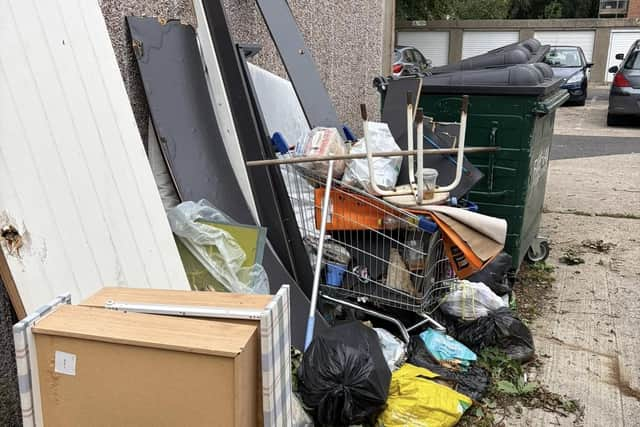

From January 2025 to March 2026, the local authority spent £26,238 on clearing fly-tipped waste across the borough.
This followed 283 reported incidents of dumped rubbish in the 2025/26 financial year, according to the council.
A decade earlier, in 2015/16, the council logged 449 fly‑tipping incidents at a clearance cost of £31,632, meaning the annual bill has fallen by around 17.1 per cent over ten years.
But fly-tipping remains prevalent across Fareham, with 253 recorded incidents in 2022/23, 285 in 2023/24, 331 in 2024/25 and 283 in 2025/26.
However, the local authority said there are “no immediate plans” to install CCTV cameras to tackle the chronic issue.
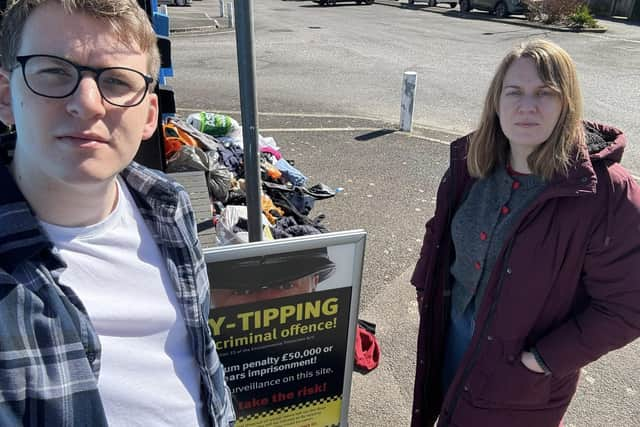
Cllr Gemma Furnivall said fly-tipping is a “cultural problem that has been allowed to go on for so long”.
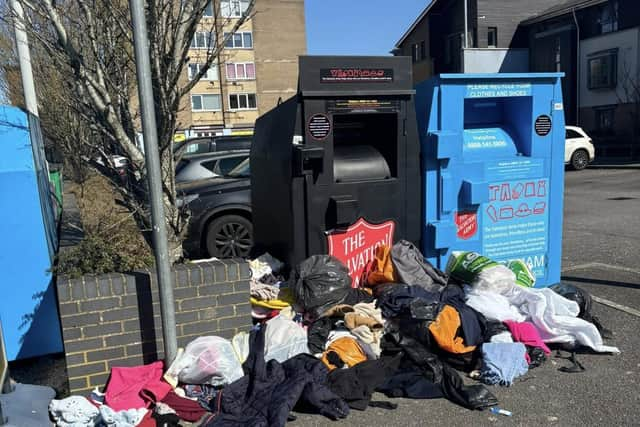
The Labour councillor for Fort Fareham played a key role in securing a dedicated CCTV camera to prevent fly‑tipping in her ward.
She said it worked for a “short time as a deterrent”, but it is no longer being checked, and no fines are being handed out.
Cllr Furnivall said more targeted action is needed in her ward and across the borough, backed by proper enforcement resources, adding that she wants mobile cameras used more often and fines issued to those who dump rubbish.
She also argued for incentives to help residents dispose of waste legally, including cutting or scrapping bulky‑waste charges for people on means‑tested benefits, and bringing back occasional community skips in problem areas.
Data from the FOI submitted by the Local Democracy Reporting Service also revealed that in the four financial years from 2022/23 to 2025/26, the council issued between 20 and 44 fixed penalty notices for fly‑tipping each year.
However, there was not a single prosecution, despite collecting between £1,805 and £5,070 in fines annually during this time.
Compared with recent years, fly‑tipping reports and clearance costs were significantly higher a decade ago.
The council recorded 486 incidents in 2012/13, 540 in 2013/14, 502 in 2014/15 and 449 in 2015/16.
It was confirmed that the council paid a hefty total of £117,120 to clear fly-tipped waste between April 2014 and March 2017. The number of fixed penalty notices is not recorded.
Although the numbers have dropped, Cllr Furnivall remains concerned about the ongoing cost to the taxpayer.
She said: “I also hear from residents that costs for fly tipping removal can be billed back to leaseholders in blocks, even when they are not responsible for the waste. That really isn’t fair and shouldn’t be happening.
“In my ward, we see a lot of furniture or DIY type waste, such as mattresses and sofas.
“I also think that delays in collecting waste (over a month) in some cases mean that the amount that has to be collected in one go will be considerable.”
A council spokesperson said the impact of fly‑tipping is growing, with incidents becoming more frequent and individual dumps getting bigger.
They added that higher weighbridge charges and rising fuel costs are also pushing up the overall bill.