
Council approves local nature recovery strategy amid calls for clearer action and accountability
Portsmouth City Council backs Hampshire’s new nature recovery plan, but critics warn “pieces of paper won’t change anything” without commitments and accountability.
Portsmouth City Council has thrown its support behind a new strategy to restore and protect nature across Hampshire.
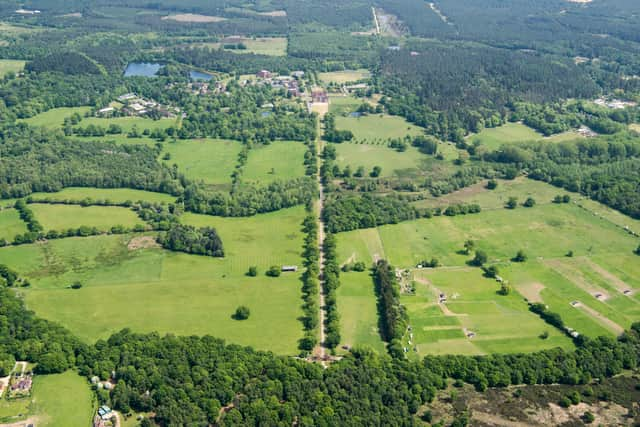

At a meeting today, a cabinet member approved the publication of the Local Nature Recovery Strategy (LNRS) – a county-wide plan drawn up by Hampshire County Council under the Environment Act 2021.
The strategy sets out how councils, landowners and communities can work together to boost biodiversity and tackle environmental challenges. It identifies key priorities for nature recovery, along with opportunities for restoration and enhancement.
A central feature is “a local habitat map” pinpointing areas of “particular importance” for biodiversity.
What it means for Portsmouth
An officer’s report says the LNRS will “guide investment into local priorities for protection and enhancement” and “map areas of opportunity for the use of nature-based solutions” to issues such as flooding, climate change and poor water quality.
It will also “provide a source of evidence for local planning authorities,” helping planners identify locations important for conserving and restoring wildlife habitats.
Other aims include identifying areas for biodiversity net gain (BNG), nutrient mitigation and habitat protection for species supporting the Solent Special Protection Areas (SPAs).
The report adds that the plan will “assist in aligning local plan green and blue infrastructure delivery with LNRS goals,” creating a more coordinated approach across Hampshire.
The LNRS describes the Portsmouth Harbour SPA as a “crown jewel” of the county’s natural assets, thanks to its value for overwintering coastal birds.
The harbour’s intertidal mudflats, coastal lagoons and saltmarsh “provide vital feeding and roosting grounds” for migratory ducks, geese and wading birds.
Criticism
During a recent cabinet decision meeting, Labour councillor Judith Smythe celebrated the strategy, describing it as “fantastic” and expressing admiration towards the quality of research done by Hampshire County Council.
However, she pointed out several examples of non-committal language in the strategy, arguing that it doesn’t obligate landowners or authorities to act on nature recovery.
In short, she argued that “pieces of paper won’t change anything” without a clear action checklist and a chain of accountability ensuring the strategy results in action.
Cabinet member for climate change and greening the city, Councillor Kimbeley Barrett, welcomed the feedback, and approved the strategy but ensures that Cllr Smythe’s concerns will be reflected.
A Department for Environment, Food and Rural Affairs spokesperson said: “This Government is already delivering on its commitment to protect and restore nature, and Local Nature Recovery Strategies have an important role to play in meeting our legally binding nature targets.
“Public bodies and planners are required to consider Local Nature Recovery Strategies in meeting their legal duty to conserve and enhance biodiversity.”