
Clean air zone to stay as Portsmouth battles stubborn pollution
Stubborn pollution levels could mean the Clean Air Zone (CAZ) in Portsmouth is here to stay for several more years, a council report suggests.
While no decisions are being made at Portsmouth City Council’s Cabinet meeting, set to take place on June 24, an update sheds light on the city’s continuing efforts to tackle air pollution and meet government targets.
The CAZ, introduced in late 2021, covers part of Portsea Island and aims to reduce nitrogen dioxide (NO₂) emissions by charging older, more polluting vehicles.
Buses, coaches, taxis, and heavy goods vehicles that don’t meet modern emissions standards must pay to enter the zone. Private cars and vans remain exempt.
A government review in late 2023 found that while air quality has improved, three locations in the city are still over the legal limit for NO₂, with nine more close to exceeding it. This led to a deeper study carried out in 2024 to understand the causes and find ways to improve the situation.
Find out about The News’ email series and enjoy the day’s headlines delivered to your inbox for free
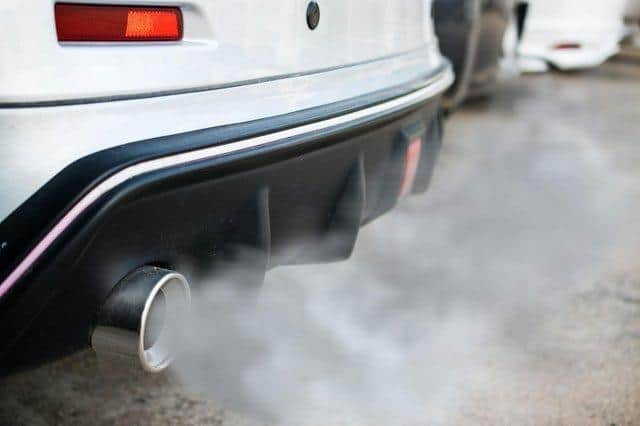

The study found that only a small number of vehicles in the CAZ are still polluting enough to be charged, with most drivers now using cleaner models.
However, diesel vehicles - even the newer, compliant ones - are still the biggest contributors to pollution.
Traffic inside the zone is responsible for over half the pollution in problem areas, which include Hope Street and Alfred Road, while the rest comes from outside sources.
Despite this, the council believes air quality could reach legal levels by the end of 2025 or in 2026, largely due to cleaner vehicles gradually replacing older ones.
Officials looked into expanding the CAZ to include more vehicles or a larger area but found this could worsen traffic and pollution in other busy parts of the city.
Concerns about emissions from the Port and Naval Base were also addressed. Monitoring suggests these sites have a limited impact on the worst-affected areas, partly due to prevailing winds carrying pollution away from the city centre.
The CAZ will remain in place until two full years of cleaner air are recorded. However, officials warn that any surge in traffic could reverse progress, and reducing car use remains a key goal.