
Brexit blamed for shortage of ADHD medicine with patients needing to “trawl around” pharmacies
City councillors are partly attributing the ADHD medicine crisis to Brexit, with one member reporting the need to “trawl around” pharmacies every other month to find his prescription.
During a full Portsmouth City Council meeting, Labour councillor Tom Coles tabled a motion, calling on the council to address the government over the shortage of ADHD medicine.
In September last year, the government announced supply issues for medications used to treat attention deficit hyperactivity disorder (ADHD) due to a combination of manufacturing issues and increased global demand. It is estimated that three to four per cent of UK adults have ADHD.
Cllr Coles said the shortage has resulted in people having to “trawl around pharmacies” searching for available stock, sometimes going without or having to change their prescription.
“This cannot go on,” he added. “ADHD already carries mental health issues such as depression, lack of self-worth, and feelings of not being taken seriously. This medication crisis exacerbates these feelings. I’ve had to spend the last two years searching for my medication each and every month from pharmacy to pharmacy.”
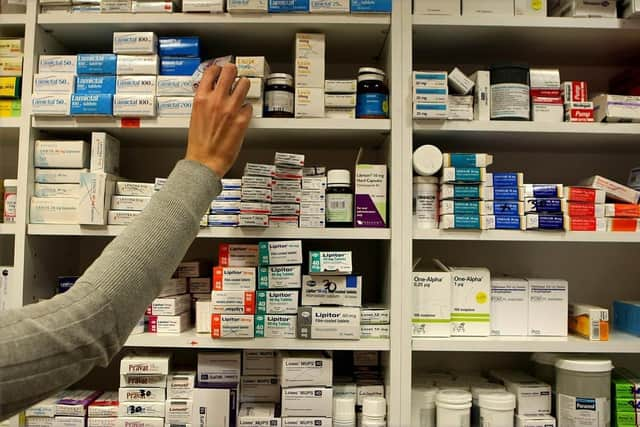

Cllr Coles was originally prescribed methylphenidate, also known as Ritalin, to treat his ADHD. However, since the shortage, he has tried three different brands before settling on Concerta XL.
He conveyed the dangers of this, saying “those living with ADHD need to be trialled and stabilised on a specific brand to feel the greatest benefit”. He argued that another factor in the crisis is Brexit, as the Republic of Ireland produces and exports “a great deal” of ADHD medication, which is “distributed to the union before the UK gets a look-in”.
In closing, Coles asked members to support the motion, working towards a greater supply of “vital” medications that “enable people with a serious neurobehavioural disability to live as normal a life as possible.”
Cabinet member for community wellbeing, health and care, Cllr Matthew Winnington, welcomed the motion and agreed that Brexit has “made a difference.”
He said: “Whether you think Brexit is a good or bad thing, I think pretty much the consensus is the way that Brexit was handled, and indeed what it did to our medicine supply chain has been an absolute disaster.”
He cited research carried out by the Nuffield Trust in April, which suggests that Brexit has impacted the UK’s ability to respond to medicine shortages by distancing itself from European supply chains, authorisations, and collective efforts to respond to such shortages.
He highlighted the expected challenges despite a mass batch of medicine arriving in the UK in September. He warned that it would take time for pharmacies to restock as recovery from shortages can be timely.
“Production of medication is not an instant process; it may take time for manufacturers to ramp up production to meet demand,” he added. “Market dynamics will also play a crucial role as many people attempt to replenish their supplies, which can also contribute to delays.”
The motion was unanimously carried. It asks senior councillors to write to the government, the Hampshire Integrated Care Board and local GP surgeries and pharmacies to tackle the issue.