
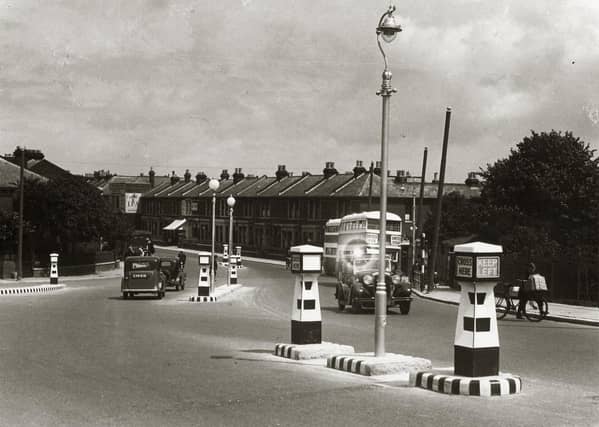

The city's Old English Anglo-Saxon name, ‘Portesmuða’, is derived from port (a haven) and muða (the mouth of a large river or estuary) and in the Anglo-Saxon Chronicle, a warrior named Port and his two sons killed a noble Briton in Portsmouth in 501.
The names of a number of areas within the city owe their origin to the Saxons – we take a tour of the city as it is now to see how the names have changed over the years and when many of the areas which were once-villages and then became part of Portsmouth.
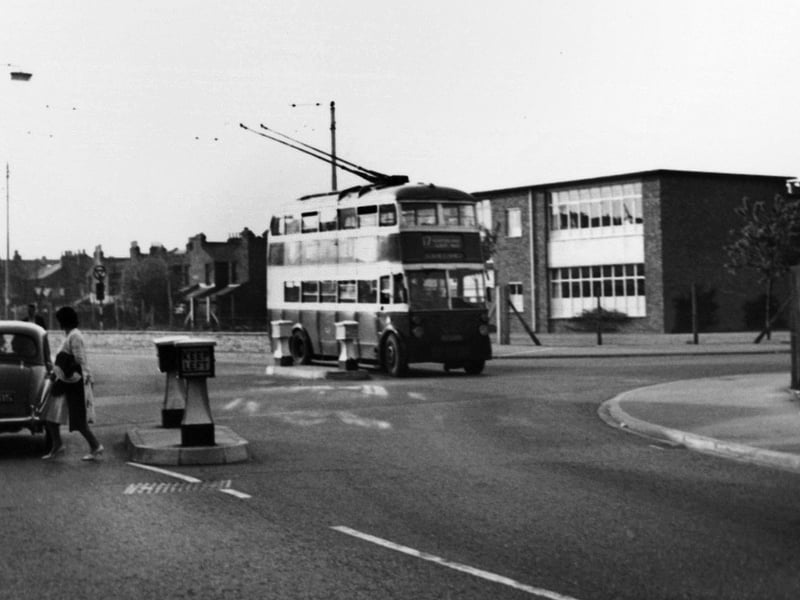
9. Somerstown
Somerstown, or Somers Town as it was also known was developed during the 1820s, on land owned by Mr Somers. It was heavily bombed during the Second World War, after which the majority of what remained of the area was demolished to make way for social housing. Pictured: Somers Road in the 1960s - Barry Cox. Photo: -
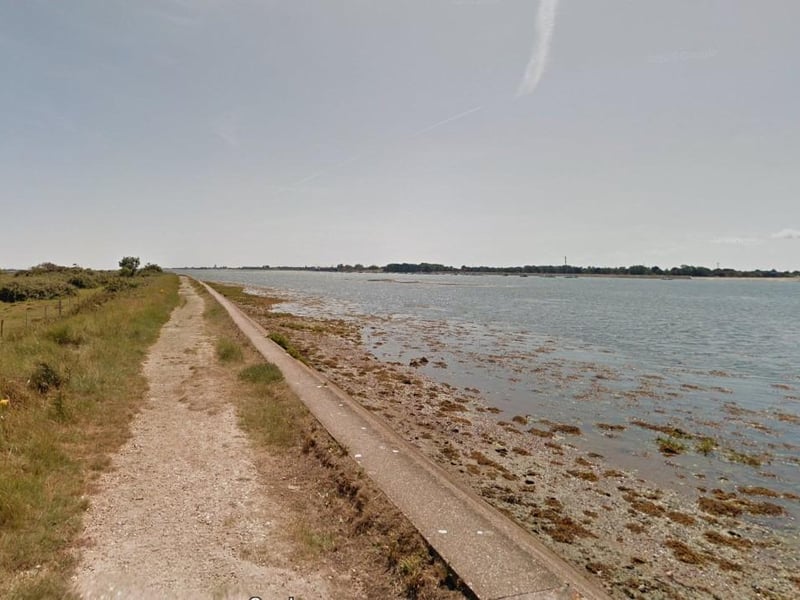
10. Farlington and Drayton
Farlington was a small rural community being part of the manor of Drayton, known as Dreton. The land changed hands several times before being divided for individual dwellings in the 19th and 20th centuries. The area became incorporated into Portsmouth in 1920 Photo: Google Streetview
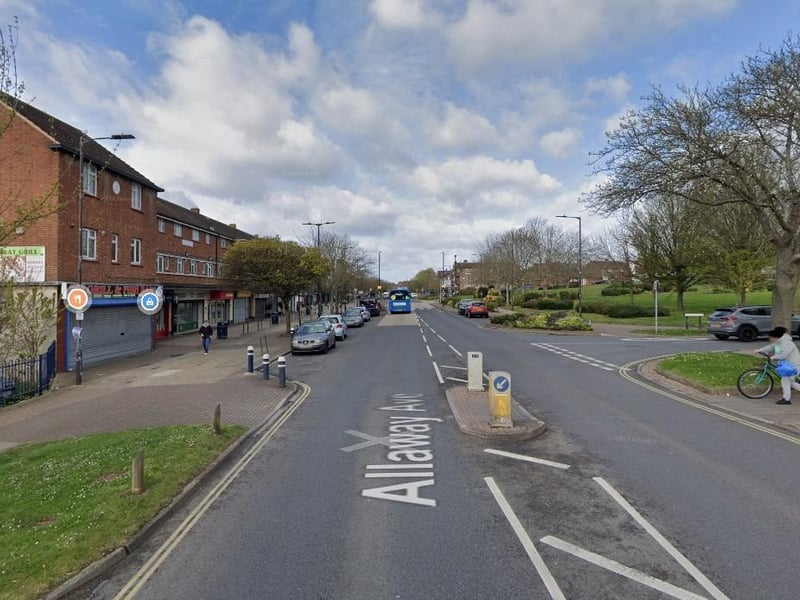
11. Paulsgrove
Many believed Paulsgrove was named for St Paul who landed at the site at the start of his visit to Britain when it was part of the Roman empire. However old maps have shown that the area was called Pals Grave and is believed to be a reference to the last resting place of a local chief, most likely a Saxon with the Saxons naming most of the settlements in the area. The area was incorporated into the city of Portsmouth in 1920. Photo: Google Streetview
12. North End and Kingston
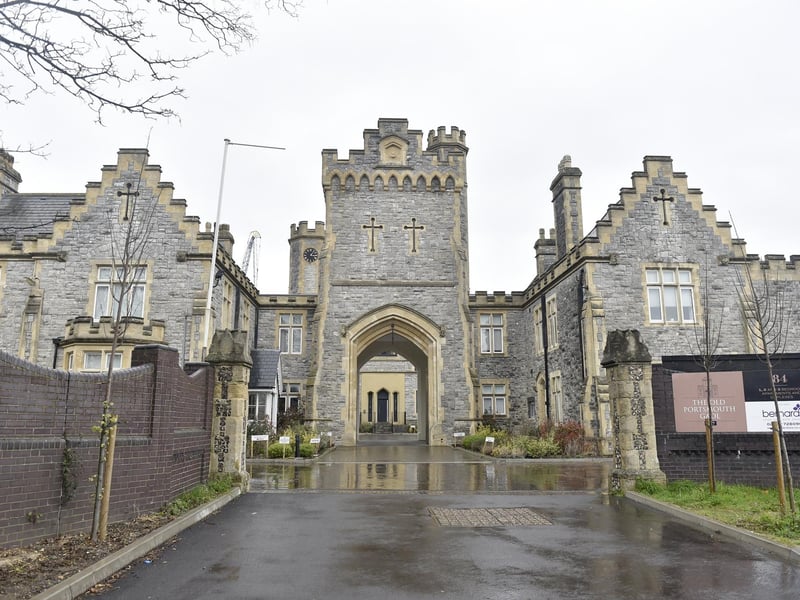
In the Middle Ages a village existed at the end of Kingston Crescent. It was called King’s tun, which meant king’s estate. By the 17th century houses were built north of the village to create a new area was called ‘the north end of Kingston’. Later it was called ‘the North End’ then just ‘North End’. The name The North End of Kingston was first recorded in 1699. From the mid-18th century well-off people such as naval officers built houses at Kingston and the area grew. In the 1920s and 1930s, North End became a prominent shopping centre while Kingston's major landmark was its prison which opened in 1877. Pictured: The Old Portsmouth Gaol at the former HMP Kingston. Photo: Sarah Standing