
The War Between the Land and the Sea review: Doctor Who spin-off is a war between the adult and the juvenile
Anyone who has seen Russell T Davies' future dystopia Years and Years will not have been surprised by the warnings of apocalypse in his new series The War Between the Land and the Sea (BBC1, Sun, 8.30pm).
While his 2019 series dealt with a huge array of issues – all equally depressing – from austerity, to immigration to the rise of populist demagogues, this new show seems more tightly focused on man's effect on the environment.
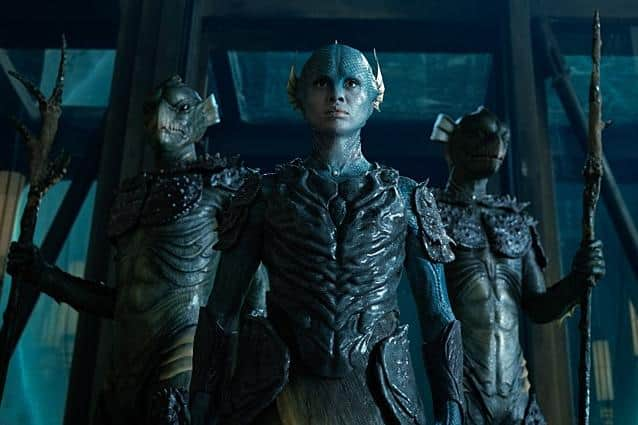

Specifically, the seas, rivers, lakes and waterways of Earth and everything that dwells therein, including a race of fishy-looking creatures called the Sea Devils.
If they sound familiar, it's because they are creatures battled by everyone's favourite Gallifreyan, Doctor Who, in several adventures.
This spin-off, so far at least, has no appearance from the Doctor – whether in the guise of Ncuti Gatwa, Billie Piper or anyone else – but he is mentioned in reverential terms.
Here, Davies concentrates on UNIT, the Unified Intelligence Taskforce, and although the Doctor isn't present, several characters from the Whoniverse do show up, including Jemma Redgrave as UNIT chief Kate Lethbridge-Stewart and Ruth Madeley as her indispensable aide-de-camp Mrs Bingham.
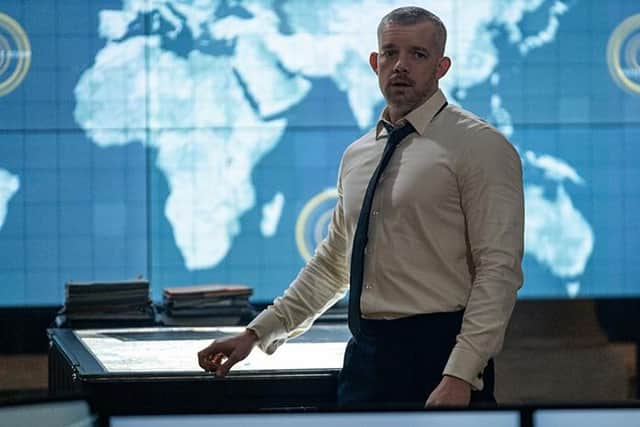
Russell Tovey is the never knowingly undernamed Barclay Pierre-Dupont, the everyman through who's eyes we see the action unfold, the dweeb stuck in a dead-end job at UNIT HQ, with a failed marriage and a rebellious daughter.
Much as Withnail and I went on holiday by mistake, Barclay ends up on a top secret UNIT mission by accident, drafted in to replace someone else because he did it once before, years ago, and no one updated the HR records.
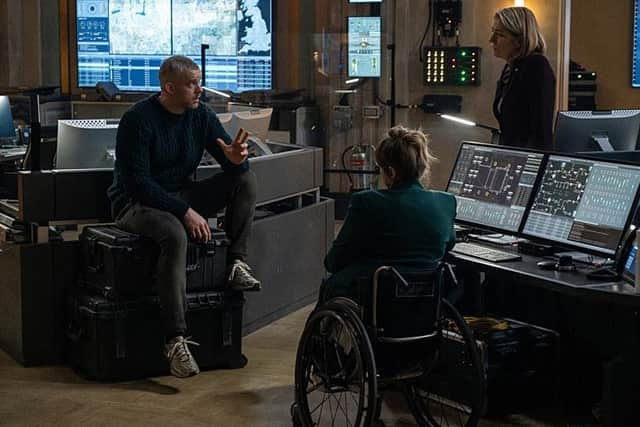
So Barclay is present when some Mediterranean fishermen accidentally capture a Sea Devil, and when his friends turn up to take him back, sparking a tense stand-off on the beach and an invitation to some diplomatic talks over how we share our planet.
While this may suggest that UNIT's administration may need some urgent reform, the rest of the organisation seems ruthlessly efficient, being able to translate the language of the Sea Devils instantly, and arranging major construction projects in central London without the need for planning permission or Section 106 agreements.
Of course, ruthlessly efficient it may be, but UNIT also has a 21st century heart, calling the Sea Devils Homo Aqua, and making Barclay the spokesperson for us landlubbers after our marine neighbours identify him as the salt-of-the-earth type they can do business with.
No surprise, given that Homo Aqua's chief negotiator – Gugu Mbatha-Raw, hidden under many layer blue latex – is called Salt and can speak both English and Russian.
Tovey, initially at least, plays Barclay as a nervous, twitching beta male, which could get grating with his high-pitched protestations of being “just a clerk”, in charge of booking the taxis.
But he grows in confidence as the first two episodes go on, losing the squeaky-voice and taking the initiative in the talks.
Talks which, you may already have seen in certain quarters of the press, have been labelled as 'woke'.
There are set-piece speeches about the evils of pollution and the need for the people's voices to be heard over the sound of what Billy Bragg called “old men grinding axes”.
And yes, maybe they are naïve and heart-on-the-sleeve idealistic, but I'm not sure what's wrong with that. If they politicians with their realpolitik and 'cutting our cloth and doing what we can within our means' have failed to sort out the mess we have made of the planet, maybe it is time to give the heart-on-the-sleeve types a go.
The War Between the Land and the Sea, however, does have a primary school pupil's view of how to portray a villain, with Patrick Baladi playing a corporate type who does deals with generals over cheese and wine, and only just falls short of cackling maniacally and donning a swooshy cape.
It is also packed with filler, with repetitive sequences of armed UNIT soldiers rushing about, huge water tanks filling up and tech being positioned just-so.
It's very much a children's show, which is why it's slightly odd that it's on prime time on a Sunday and not tea time on a Saturday.
You want the more adult version of Davies' fears for our future, go and search out Years and Years – it's on Netflix now.