
Intestacy Rules: the UK interstate laws that decide how estates are divided if you die without a will, meaning

Dying without a will can cause unexpected outcomes - make sure your wishes are clear 📝
- Dying without a will means your estate is divided by strict legal rules, not your wishes
- Only spouses, civil partners, and close relatives can inherit under intestacy laws
- Unmarried partners and stepchildren are excluded unless named in a will
- Rules differ across England, Wales, Scotland, and Northern Ireland
- Writing a will ensures your assets go where you want and helps avoid family disputes
Many of us put off writing a will, especially when we're young, healthy, or don’t feel we own much worth planning for.
But dying without a will – known legally as dying "intestate" – means your estate will be divided according to strict government rules, not your personal wishes.
This can lead to confusion, disputes, and outcomes you never intended. Here's what happens when someone dies without a will in the UK, and why making one sooner rather than later is a wise decision.
What are the Rules of Intestacy?
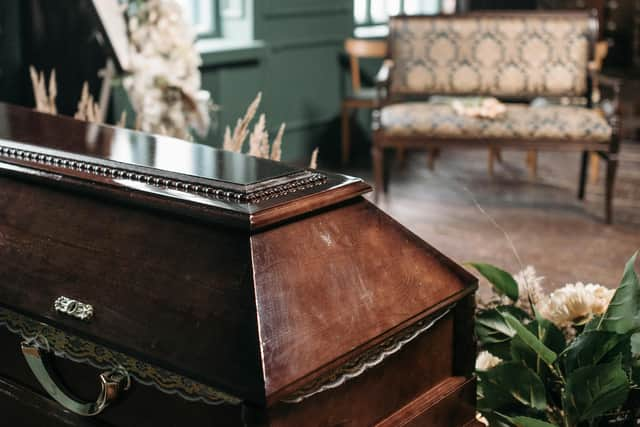

The rules of intestacy are a set of legal guidelines that determine how a person’s estate (their property, savings, belongings, and any other assets) is distributed if they die without leaving a valid will.
These rules are set out in the Administration of Estates Act 1925, and they apply only in England and Wales (with different rules in Scotland and Northern Ireland - we’ve included those further along in this article).
Crucially, intestacy rules don’t take into account your personal relationships, wishes, or circumstances. Everything is decided according to a fixed legal order of inheritance, regardless of what you might have wanted.
Who inherits what?
Under intestacy rules in England and Wales (see below for the rules in Scotland and Northern Ireland), only married or civil partners and certain close relatives can inherit. The order of priority generally looks like this:
1. Married or civil partner + children: If the estate is worth £322,000 or less (as of 2023), the surviving partner inherits everything.
If it's worth more than £322,000, the partner receives the first £322,000, all personal belongings, and half of the remaining estate. The other half goes to the children, equally.
If a child has died, their children (the deceased’s grandchildren) inherit in their place.
2. Married or civil partner (no children): The partner inherits everything.
3. Children (no partner): The estate is split equally between children.
4. Other family members: If there’s no partner or children, the estate passes to other relatives in this order: parents → siblings → nieces/nephews → grandparents → aunts/uncles → cousins.
5. No surviving relatives: If no relatives can be found, the estate goes to the Crown (known as "bona vacantia").
Who doesn’t inherit and interstacy?
Some people are automatically excluded under the rules of intestacy, even if you would have wanted them to inherit:
- Unmarried partners, even if you've lived together for decades
- Stepchildren or foster children (unless legally adopted)
- Friends, carers, or charities you support
- In-laws, even if you’re close to them
This can be devastating for long-term partners or blended families where children are not legally related to the deceased.
Scotland
If you die without a will in Scotland, your estate is distributed according to a three-step process:
- Prior Rights – Your surviving spouse or civil partner is entitled to the family home (up to £473,000), furniture (up to £29,000), and a cash sum (£50,000 if you have children, £89,000 if not).
- Legal Rights – Regardless of any will, a spouse and children are entitled to a share of your moveable estate (e.g. money, jewellery, investments), typically up to one-half between them.
- Free Estate – Whatever’s left is passed to relatives in a fixed order: children, then parents/siblings, then more distant relatives. If no one qualifies, it goes to the Crown.
Unmarried partners and stepchildren have no automatic right to inherit and would need to apply to court for consideration.
Northern Ireland
In Northern Ireland, the rules are more similar to England and Wales. If you die without a will:
- A surviving spouse or civil partner inherits everything if there are no children.
- If there are children, the spouse gets the first £250,000, all personal items, and half of the remainder. The other half goes to the children.
- If there’s no partner, children inherit equally.
- If no children or partner, the estate goes to other relatives in a set order (parents, siblings, grandparents, etc).
- If no relatives can be found, the estate goes to the Crown.
Unmarried partners and stepchildren do not inherit unless they are named in a will.
Why it’s important to write a will
Many people assume wills are for the elderly or the seriously ill. But life can be unpredictable. Accidents, sudden illnesses, or unexpected deaths can happen at any age.
Having a will ensures that your loved ones are taken care of, and that your wishes are respected, no matter what life throws your way. A valid will lets you decide exactly who should benefit from your estate, and how much they receive.
It allows you to, appoint guardians for any children under 18, leave gifts to friends, stepchildren, charities, or other causes, prevent family disputes by setting out your wishes clearly, choose executors to handle your estate, and potentially reduce inheritance tax through careful planning.
It’s especially important to consider a will if:
- You’re living with a partner but not married or in a civil partnership
- You have children, including stepchildren
- You own property, savings, or valuable possessions
- You’ve recently separated or divorced
- You want to support a specific charity or friend
Writing a will doesn’t have to be expensive or complicated – basic wills can be drawn up for under £100, and there are free will-writing schemes available through charities at certain times of year.
Dying without a will can make an already difficult time even harder for your loved ones. The intestacy rules may not reflect your relationships or your wishes – and once you're gone, it’s too late to change that.
Taking the time to write a will now offers peace of mind, ensures your assets go where you want them to, and gives your family clarity and comfort in the future.
Are you struggling to make ends meet as costs continue to rise? You can now send your stories to us online via YourWorld at yourworld.net/submit. It's free to use and, once checked, your story will appear on our website and, space allowing, in our newspapers.