
Southern Water could import 45 million litres of water daily amid drought fears
Southern Water is drawing up contingency plans to ship water from Norway to mitigate the risk of supply shortages and droughts until the new water reservoir at Havant Thicket is ready to use.
Southern Water is planning to import up to 45 million litres of water a day to mitigate drought risks in Hampshire, Kent, East and West Sussex, and the Isle of Wight starting in the early 2030s.
The regional monopoly, which is one of the biggest UK water firms, is in early-stage talks with the Extreme Drought Resilience Service, a private UK company that supplies water by sea tanker, according to the Financial Times (FT).
Tim McMahon, Southern Water’s managing director for water, said importing supplies would be a “last-resort contingency measure” in the event of an extreme drought in the early 2030s.
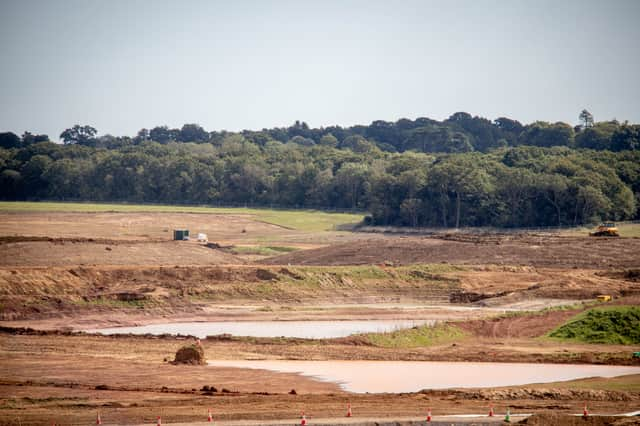

It comes as most of the company’s supplies are currently abstracted from groundwater and globally rare chalk stream which will stop once the new Havant Thicket Water Reservoir comes online which is being built by Portsmouth Water in partnership with Southern.
This will be the first new reservoir to be built in the UK for more than 30 years but building work is expected to take around another three years, and then it will take around three years to fill up.
Until it is ready to use Southern Water has said it anticipates a risk of reduced resilience to drought, particularly from 2030, with the reliance on chalk streams increasing the risk of droughts even further.
The company was ordered to make dramatic reductions by 2030, although Southern has recently admitted it may need to keep taking water from the rivers until as late as 2035 due to delays in shifting to new water sources. Southern plans to pay for the shipped water from customers’ bills, the FT reported, adding that imports tend to be expensive because of weight and the additional processing required.
Plans for other forms of mitigation include plans for universal smart metering, leakage driven mains replacements, desalination and agreements with businesses to reduce use, Southern said.
Mr McMahon said the possibility that it would need to import water is “very remote”. He said: “We put less water into supply now than we did 30 years ago and measures like reducing leakage have enabled us to keep pace so far with population growth and climate change.
“As we work to take less water from our chalk streams and build new reservoirs like Havant Thicket in Hampshire, we need a range of options to help protect the environment while this infrastructure comes online.

“Importing water would be a last resort contingency measure that would only be used for a short period in the event of an extreme drought emergency in the early 2030s – something considerably worse than the drought of 1976.
“We’re committed to continuing to work with our regulators on developing the right solutions to meet the challenge of water scarcity, while protecting the environment.”
The plans come as England continues to grapple with a nationwide water crisis caused by years of underinvestment, ageing infrastructure, growing populations and extreme weather caused by climate change.
According to water regulator Ofwat, currently around a fifth of water running through pipes is lost to leakage. Droughts are becoming more frequent and parts of England came close to running out of water in 2022 during one of the driest summers on record.
Southern Water’s situation is particularly acute, with the firm saying it would face a shortfall of 166mn litres a day in Hampshire during a drought. The Environment Agency attribute the firm’s contingency plans to its delayed delivery of crucial supply schemes.
The regulator said it will be reviewing the company’s plans through public consultation and consider its environmental acceptability. It is also in contact with the Norwegian regulators about Southern’s proposed scheme.
Drinking water in Portsmouth is supplied by Portsmouth Water, however once the thicket is online the company will work with Southern and participate in a water sharing scheme where Portsmouth will supply some of its water to Southern and then supply customers from the reservoir.