
Portsmouth Water celebrates success of environmental projects at Paulsgrove Chalkpit and Great Salterns Recreation Ground
‘We are delighted to have supported these fantastic projects’
Portsmouth Water are celebrating the “tangible benefits” that environmental projects they have funded have provided for the community.
Through its Biodiversity Grant Scheme, the water company has helped local conservation organisations restore natural habitats across Hampshire and West Sussex. The projects focus on restoring and enhancing habitats that are vital for wildlife but face increasing pressure from development, climate change and invasive species.
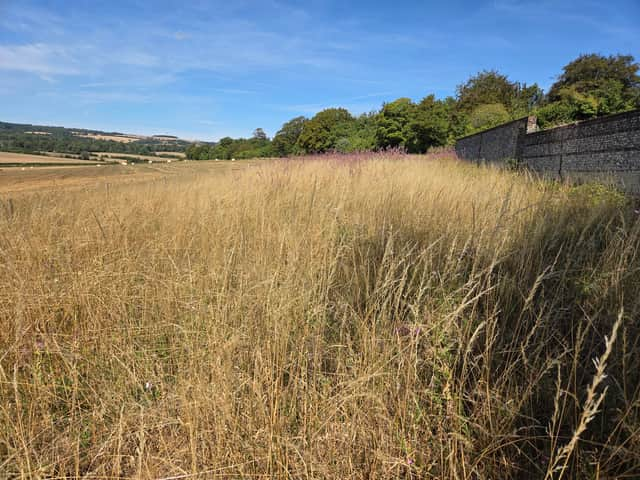
Areas that the grant has helped include Paulsgrove Chalkpit with restoration work opening up 1.6 hectares of chalk grassland habitat through the removal of dense gorse and invasive vegetation. It is a site that is an important habitat for for orchids, butterflies and other specialist species.
At Great Salterns Recreation Ground, work has been undertaken to restore the balance between scrub and grassland. Overgrown bramble has been cleared to improve access for visitor access and created a healthier landscape.

Simon Deacon, Catchment and Environment Manager at Portsmouth Water, said: "We are delighted to have supported these fantastic projects through our Biodiversity Grant Scheme. Each project demonstrates how targeted conservation work, combined with the dedication of local volunteers and environmental organisations, can deliver tangible benefits for nature and communities alike.
"From restoring ponds and rare chalk grassland habitats to improving access to local green spaces, these initiatives are helping to create more resilient ecosystems and support the wildlife that depends on them. We look forward to seeing these sites continue to flourish in the years ahead."
Restoration projects have also been supported away from Portsmouth with volunteers working on four neglected ponds at the Manhood Peninsula in West Sussex. The improvements have created better conditions for water voles and other wetland species while early surveys have reportedly shown an increase in plant diversity.
In Slindon, the Downes Barn Chalk Grassland Creation Project transformed a 700m2 area into a developing species-rich chalk grassland.