
Most common birds in Hampshire revealed after thousands across region take part in RSPB Big Garden Birdwatch survey

More than 20,000 Hampshire residents have taken part in the Big Garden Birdwatch survey, revealing the most common birds spotted.
Esatblished in 1979, the Big Garden Birdwatch is a large-scale citizen science survey which analyses how garden birds are faring, with the most recent data exposing a stark decline of greenfinches.
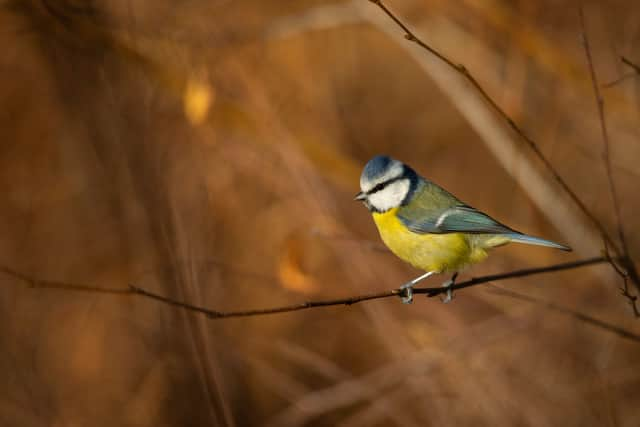

Over 650,000 people took part in the wildlife survey, counting more than nine million birds of over 80 species this year, with 20,800 Hampshire residents getting involved.
Participants were asked to count the maximum number of each species recorded at their chosen location during a one-hour period over the last weekend in January.
The RSPB’s chief executive, Beccy Speight said “Feeding birds is something millions of us love and value, but the science shows us that birds such as Greenfinches have been affected by the spread of disease at feeders.”
Sitting at 18th spot on the list is the Greenfinch, which has seen a 67 per cent decline in average numbers recorded since Big Garden Birdwatch began in 1979.
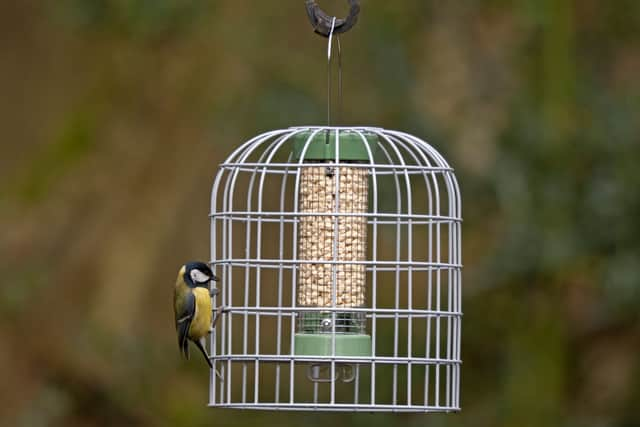
The RSPB is asking the public to adopt simple seasonal changes that will help protect bird health in the long term, with the charity conveying the message: Feed safely. Feed seasonally.
Between May 1 and October 31, people are being urged to stop filling your bird feeders with seed and peanuts to prevent too many birds gathering in one place. It is okay to keep offering small amounts of mealworms, fat balls, or suet year-round.
Beccy continues: “We’re not asking people to stop feeding, just to feed in a way that protects birds’ long-term health. By making small changes together, we can ensure garden feeding continues to be a positive force for nature.”