
Butser Hill: Hampshire grassland beauty spot will be restored to help Duke of Burgundy butterfly

Orchids, cowslip, harebell and the chalk hill blue butterfly will also benefit from the grassland restoration
An area of “precious” chalk grassland the size of nearly 70 football pitches is to be restored as part of a £160,000 project to provide new habitat for the threatened Duke of Burgundy butterfly.
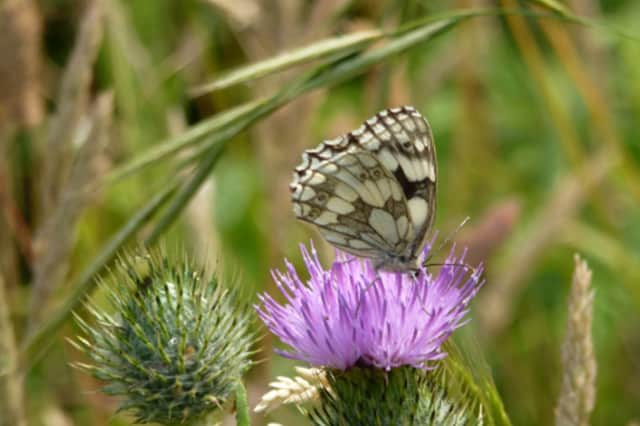
The scheme, headed by Hampshire County Council and South Downs National Park, will also provide improved conditions for orchids, cowslip, harebell and the chalk hill blue butterfly at the 48-hectare site at Butser Hill Nature Reserve.
A spokesman for the local authority said: “Key works include installing features that will help reinstate the chalk landscape and reintroducing a natural water supply to enable areas to be grazed by animals – a more natural, less intensive approach to managing this fragile habitat.

“The funding will also improve visitor access to this area of Butser and provide natural features that will screen the view of pylons on the horizon.”
The Duke of Burgundy butterfly is categorised as vulnerable on the GB red list and has threatened status in Europe.
The spokesman added: “Restoring the water source at the reserve, alongside long-term grazing, will improve soil quality, increase floral diversity, and create vital refuges for species that depend on healthy chalk grassland, including pollinators.
“In addition, the work will also reduce wildfire risk, mitigate the landscape impact of nearby pylons, support better land management, and enhance natural carbon storage - the process by which plants and soils absorb and retain carbon from the atmosphere, helping to mitigate climate change.”
Councillor Kirsty North said: “Protecting and enhancing Hampshire’s natural environment is one of our key priorities, and this project shows how practical action can deliver real benefits for both people and wildlife.
“It will enrich this treasured landscape, creating more opportunities for nature to thrive while ensuring it remains a wonderful place for residents and visitors to enjoy, helping us meet the challenges of a changing climate.”
Allison Potts, director of landscape and operations for the national park, said: “Butterflies are synonymous with the South Downs National Park and chalk grassland is an amazing habitat for so many species of animals and plants, so we’re pleased to be working with partners on this very exciting project.
“We want more nature everywhere for everyone, as we collectively tackle huge challenges such as climate change and biodiversity loss and this initiative will enhance a really key site in the national park.”
Funding for the project has been provided by the National Grid’s Landscape Enhancement Initiative (LEI), the Big Chalk Partnership’s Nature Recovery Fund and the South Downs National Park Authority’s community infrastructure levy.