
Royal Navy: Rejuvenated HMS Prince of Wales personnel conduct crash and medical emergency drills on intense op

The Royal Navy flagship has returned to action following a three-week break in Japan.
HMS Prince of Wales and her UK Carrier Strike Group (UKCSG) have started the second stage of Operation Highmast. British and international personnel are currently training with Japanese forces in the Sea of Japan.

Joined by HMS Dauntless and the Norwegian frigate HNoMS Roald Amundsen, the trio carried out F-35B fight jet trials and other drills. HMS Richmond and RFA Tidespring are operating in South Korea. The UKCSG conducted a brief maintenance period after sailing halfway round the world. Various diplomatic events also took place.
Stage Five of the Indo-Pacific deployment aims to pick up the tempo from early August. After training alongside the South Korean and Japanese militaries, the UKCSG will proceed to Southeast Asia.
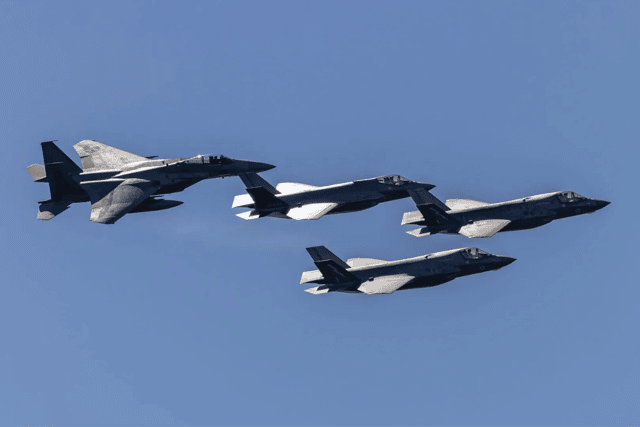
Pilots operating F-35B Lightning Jets have been training alongside the Japanese Air Self-Defence Force. The aircraft, which also included F-15 Strike Eagles, conducted a fly past over HMS Prince of Wales in close formation.
Visit our newsletter page today and sign up for a great range of free emails featuring the city’s biggest news and sport headlines
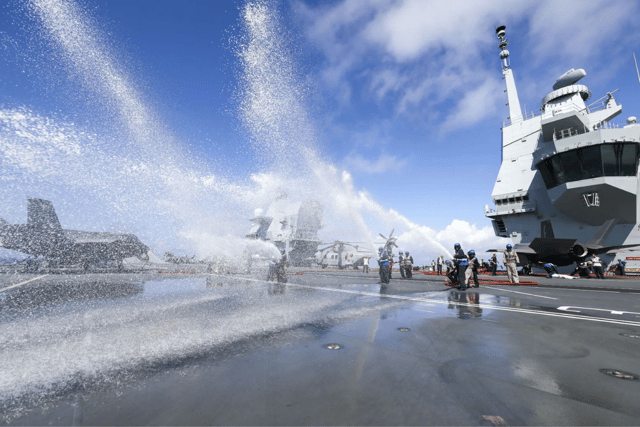
Other training exercises included crash-on-deck, firefighting, and casualty drills. The carrier is equipped with a comprehensive hospital facility, with personnel able to perform life-saving operations before transferring patients ashore.
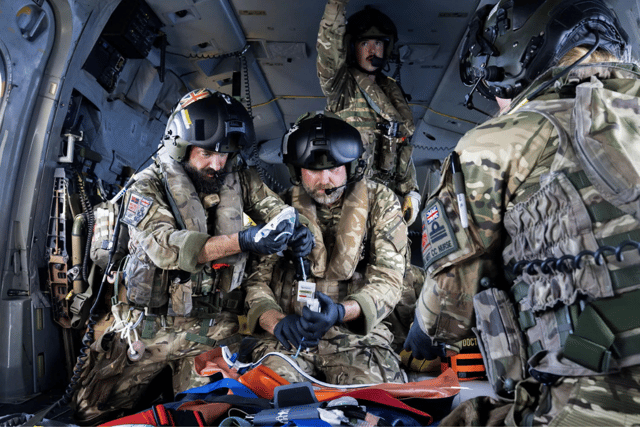
Personnel in the Maritime Medical Emergency Response Team (MMERT) are casualty experts and can be scrambled at short notice, with a Merlin Mk4 helicopter being used as an air ambulance. They can offer life-saving care at a moments notice before delivering the casualty to the carrier or an onshore hospital for further treatment. The concept was trialled aboard HMS Queen Elizabeth and has now been put into action with a high intensity drill.
A mock casualty was set up on HNoMS Roald Amundsen, with trauma care being carried out on the frigate before being flown back to the carrier.