
'War-fighting serials' conducted by Royal Navy in South China Sea despite Beijing warnings

British personnel have been threatened by China in the past, but this did not stop a large allied force deploying to the South China Sea
Extensive military operations by Royal Navy sailors were conducted in the South China Sea despite warnings from Beijing.
HMS Spey and Tamar spearheaded an allied contingent during Exercise Bersama Lima. China had previously threatened British personnel who operated in the region, conducting “constructive kill” drills against the UK Carrier Strike Group (UKCSG) during Operation Highmast.
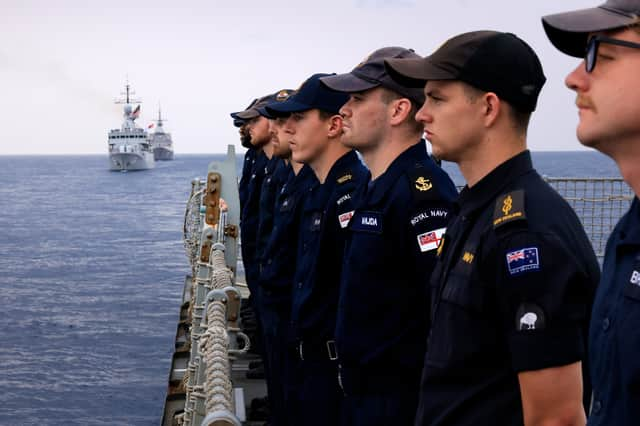

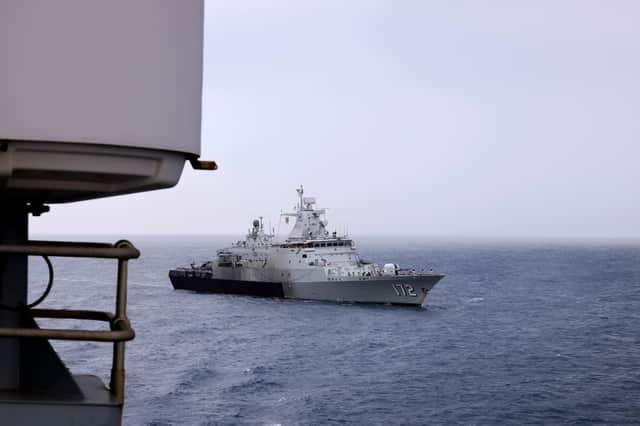
To ensure freedom of navigation in the controversial region, British personnel operated alongside Australia, Malaysia, New Zealand, and Singapore in various drills in the air, on land and at sea. Authentic scenarios became more complex and culminated in a two-day war game.
Commander Tom Lindsey, HMS Tamar’s Commanding Officer, said: “Bersama Lima was an excellent opportunity to put my ship’s company through their paces and refresh their war-fighting skills with our Five Power allies.
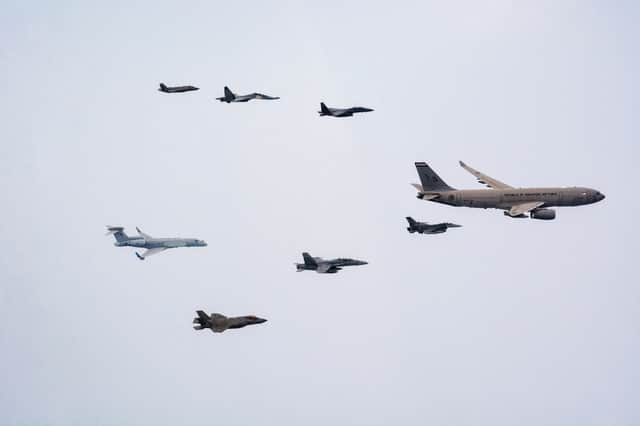
“There was a great breadth to this iteration of Bersama Lima: fifth-generation fighter jets, international boarding teams and Singapore’s newest submarine which, combined with the level of competence and professionalism showed, levelled up the experience gained. These war-fighting serials demonstrated that we can put a task group together in short order and successfully operate together to achieve a spectrum of scenarios.”
Personnel spent the first week of the exercise getting to know how to operate together. The maritime phase embraced the gamut of naval warfare involving a spread of vessels: corvettes, frigates, patrol ships and a submarine. They conducted maritime security operations - boarding and searching suspect vessels - while soldiers directed gunfire from the ships on to targets ashore, took part in a submarine hunt, and an air defence exercise supported by aerial forces.
HMS Tamar played host to a specialist Royal New Zealand Navy Deployable Boarding Team (DBT) during the drills. The participating nations, unified in the Five Power Defence Arrangement, is committed to regional security in the region and keeping the waterways unobstructed.
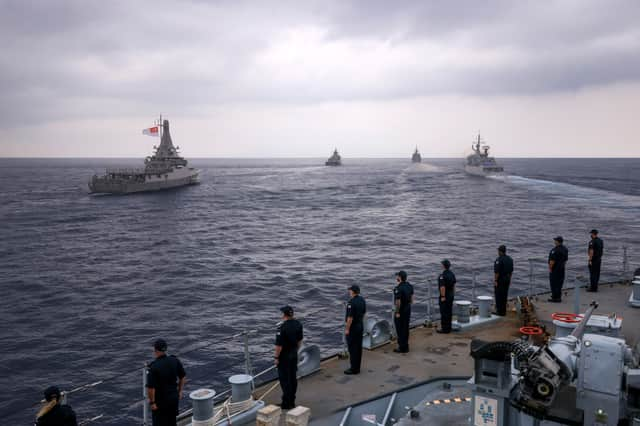
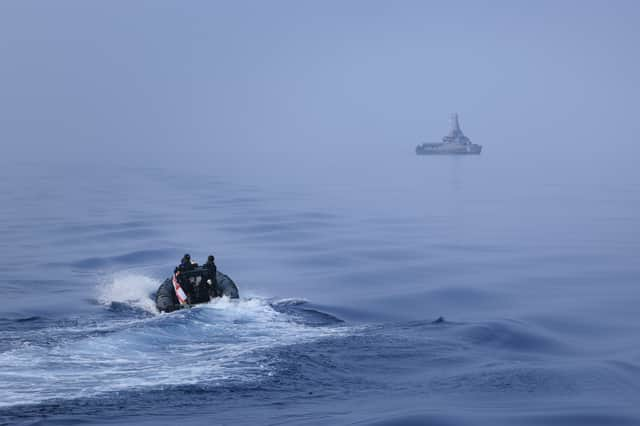
Able Seaman Mansfield, one of Tamar’s Seaman Specialists, added: “Driving a Kiwi boarding team up to a suspect vessel with a second sea boat, armed to the teeth, was a surreal experience which really brought the exercise to life. We also got the opportunity to replenish underway at sea where we exchanged some goods from home with HMAS Stalwart, who sent Tim Tams in return!”
“It was a privilege to attend Bersama Lima 26 alongside our FPDA partners, an exercise which demonstrates over five decades of commitment to training and working together. Throughout the harbour phase, HMS Spey’s sailors took the opportunity to learn from each of the Five Power nations and share their skills to enhance interoperability and build stronger friendships in the region.”
Through Portsmouth-based HMS Tamar and Spey – each crewed by around 60 sailors – the Royal Navy has maintained a persistent presence in the Indo-Pacific region for over five years on their Operation Highwall mission. HMS Spey is now heading to south-east Asia for several weeks of patrols and diplomatic engagement while her sister is making for Australia and New Zealand via some of the Pacific Island chains where she’ll conduct maritime security patrols and counter illegal fishing.