
"You're thrown to the wolves": Swathes of injured Royal Navy military veterans unprepared for civilian life

Hurting and injured military veterans across the country are feeling unprepared for life after the forces, a report has warned.
Help for Heroes, in its new report Falling Through The Gaps, said the UK is at risk of failing another generation of injured veterans. The military charity found systemic failures and inconsistencies in the medical discharge process, which aims to help the nearly 2,000 people who leave the armed forces every year through injury and illness.
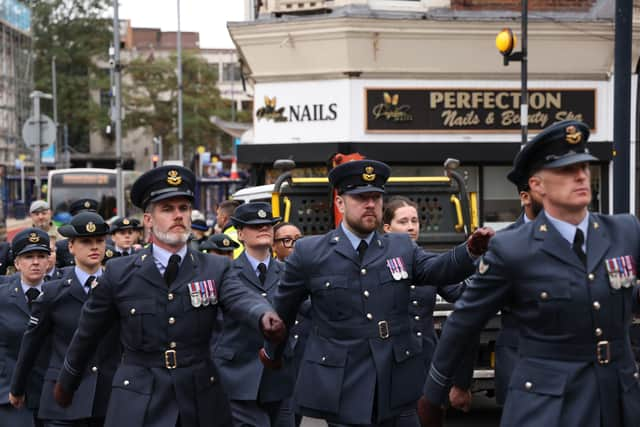

Barrie Griffiths was medically discharged after serving more than 34 years in the RAF. He suffered a spinal injury during a weighted march, with him having to go through an emergency operation to prevent him from becoming paralysed.
“Suddenly, you’re told the way of life you’ve known for decades is ending,” the 63-year-old said. “You’re given a date – and after that, you’re no longer in the care, pay, or support of the organisation. You’re just thrown to the wolves.”
Many personnel go on to live successful lives, but there is a gulf between those and people forced out due to mental or physical health. In the Help for Heroes Veterans’ and Family Needs Survey, 48 out of 119 respondents who were medically discharged - 40 per cent - felt unprepared for civilian life and are more likely to struggle compared to their counterparts.
The report found the discharge process was unclear and inconsistent, with many veterans leaving the forces without a formal diagnosis or clear route into civilian care and support. Many feel discarded due to financial uncertainty - struggling to access employment, housing, and healthcare.
Help for Heroes is calling for the government to commission an independent review of the medical discharge process to support current and future veterans. Mr Griffiths said: “Make someone accountable. Put the right people in the right roles. Support the family. Give financial clarity. This is not rocket science – and it doesn’t cost the earth. But it will transform lives. It will stop people falling on the scrapheap after serving their country.”
Carol Betteridge OBE, Deputy Services Director at Help for Heroes, added: “Too many injured veterans are being left to face civilian life without the support they need. Unless things change, we risk failing the next generation of veterans in the same way. That isn’t good enough, and it’s why we’re calling on the government to urgently commission an independent review of the medical discharge process.”