

Several personnel took on apprenticeship roles with the force after working in the civilian world. Many are trained at HMS Sultan in Gosport, where the engineers of tomorrow hone their skills to maintain helicopters and keep vessels operational.
Some of the young personnel spoke of their experiences as part of National Apprenticeship Week. Leading Engineering Technician Luke Gorst, 24, comes from four generations of engineers.
From building race bikes to working on the family steam engine, engineering has always been in his blood, but it was the Royal Navy that transformed his passion into a career that's taken him around the world. “When I saw the ad and spoke with my family, it just seemed perfect,” LET Gorst said. “Getting out of my small hometown, seeing the world, getting my qualifications and getting paid good money for it."
Posted to HMS Queen Elizabeth just a week before a seven-month deployment, the technician now works on Rolls Royce gas turbines, equipment civilian engineers rarely get to touch. “The kit we work on, your everyday engineer would never get to see it, let alone put tools on it. The engineering that's gone into it is incredible. In five years, hopefully I'll be an officer in the Royal Navy as a Marine Engineer."
Probationary Leading Air Engineering Technicians Ben Channon, Ruairidh Lavery and Ben King are training at HMS Sultan to maintain the helicopters that keep the Royal Navy operational. LET Channon, preparing to work on Merlin helicopters with the Commando Helicopter Force, said it was a brilliant opportunity.
He added: “You get fast-tracked into complex systems and from day one you're working on them. It's a great experience, definitely go for it."
LET Lavery moved on from a chemical engineering degree in Glasgow for an accelerated apprenticeship working on Wildcat helicopters. He said the training has been transformative. “Before, I wasn't very social,” he added. “But when you're thrown in the deep end, you're constantly learning, talking, being social. I feel like a stronger person now."
LET King was previously a builder, but is now working on Merlin Mk2 helicopters. “Every day I work on aircraft,” he added. “it's such a pleasure. I'm living the dream a little bit, really."
Captain Mark Hamilton, Commanding Officer of HMS Sultan, said: "Our apprentices are the future of Royal Navy engineering. The skills they develop here, whether for working on helicopters, frigates or submarines, will serve them throughout their careers, in the Service and beyond. I'm immensely proud of what they achieve every day."
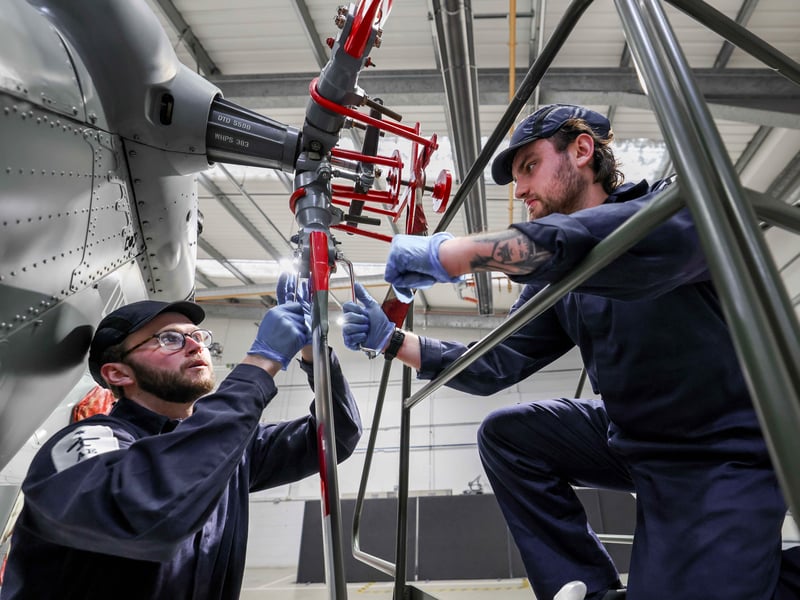
1. Royal Navy Apprentices HMS Sultan
During National Apprenticeship Week, PLET Ben King and PLET Lavery is training as an Air Engineering Technician at HMS Sultan, developing hands-on engineering skills in the workshop. | LPhot Barry Swainsbury
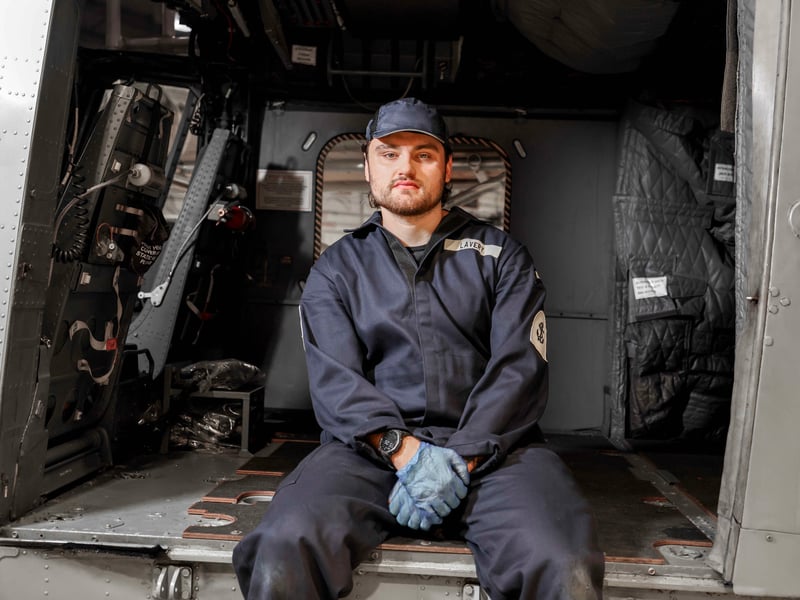
2. Royal Navy Apprentices HMS Sultan
During National Apprenticeship Week, PLET Lavery is training as an Air Engineering Technician at HMS Sultan, developing hands-on engineering skills in the workshop. He swapped a chemical engineering degree for an accelerated Royal Navy apprenticeship. He's already deployed on HMS Queen Elizabeth and works on Wildcat helicopters.. | LPhot Barry Swainsbury
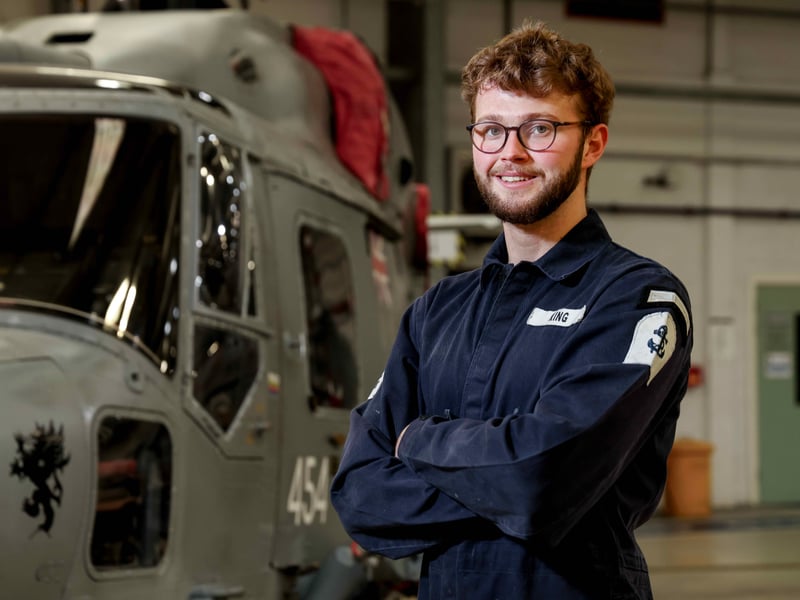
3. Royal Navy Apprentices HMS Sultan
During National Apprenticeship Week, PLET Ben King is training as an Air Engineering Technician at HMS Sultan, developing hands-on engineering skills in the workshop. A former, he now works on Merlin Mk2 helicopters. | LPhot Barry Swainsbury
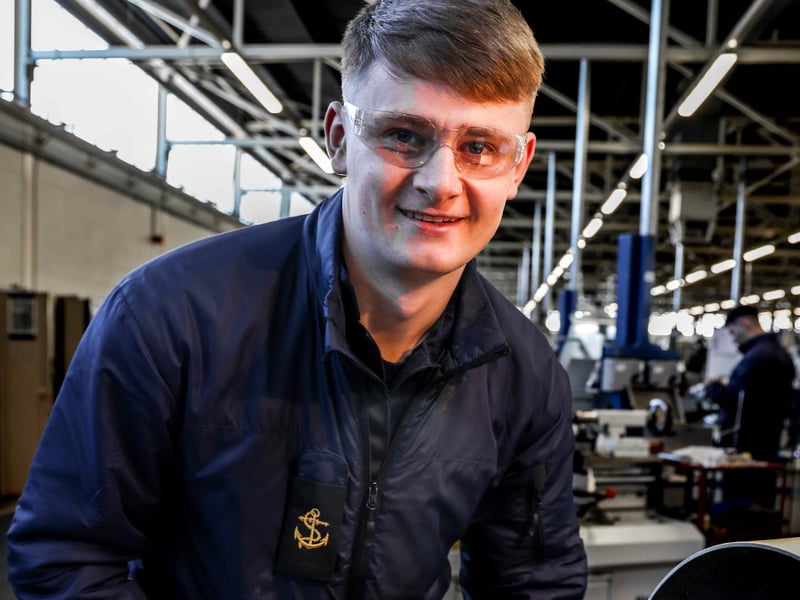
4. Royal Navy Apprentices HMS Sultan
Luke Gorst: Leading Engineering Technician Luke Gorst has served on both Queen Elizabeth Class aircraft carriers, working on Rolls Royce gas turbines. | LPhot Barry Swainsbury