
RFA Lyme Bay arrives in Cyprus ahead of possible Strait of Hormuz Iran mission with HMS Dragon

Specialist mine-hunting kit and autonomous vessels have transformed the tanker into a drone mothership
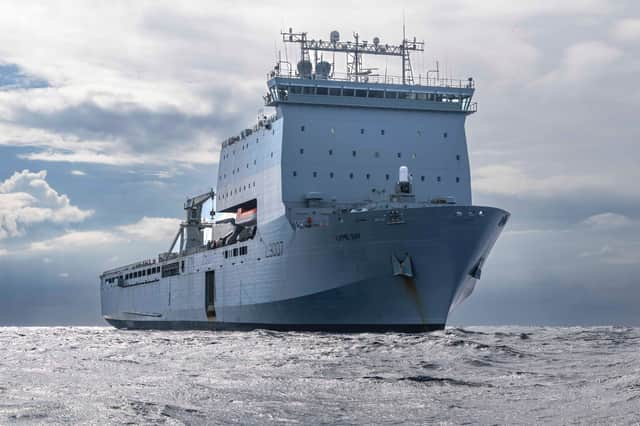
A Royal Navy support ship has arrived in Cyprus bristling with mine-hunting equipment ahead of a potential mission near Iran.
RFA Lyme Bay sailed alongside the Mediterranean island today (June 12) following a series of intense training drills. Packed with some of the most advanced autonomous and remote-controlled mine-hunting equipment in the world - and roughly 100 mine warfare and diving experts - the Royal Fleet Auxiliary (RFA) dock landing ship travelled from Gibraltar a couple of weeks ago.

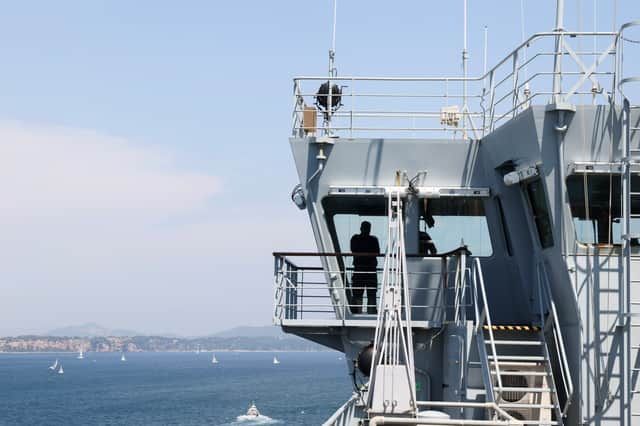
The ship’s company of civilian seafarers and military personnel were all pushed to their limits during that time, with drills preparing them for any scenario in one of the most volatile places in the world. Iran continues to hold a strangle hold over the Strait of Hormuz. The strategic waterway, where 20 per cent of the world’s crude oil passes through, is blockaded in retaliation to bombing raids from a US-Israeli coalition.
US President Donald Trump claimed he’s close to reaching a deal with Tehran’s leadership, just hours after threatening to hit the country “very hard” and seize control of its oil industry. He issued the warning as both sides continued to exchange fire that risked the return of a full-scale conflict in the Middle East.
While strikes continued to surge amid conflict in Israel, Lebanon, and Iran, RFA Lyme Bay’s crew were conducting prepare themselves for their potential mission. The UK will take part in a multinational effort to keep the Strait of Hormuz open when conditions allow. HMS Dragon, a Portsmouth-based Type 45 destroyer, has already been pre-positioned in the Indian Ocean. Alongside RFA Lyme Bay and international allies, they’ll be tasked with ensuring the freedom of navigation for commercial shipping in the region.

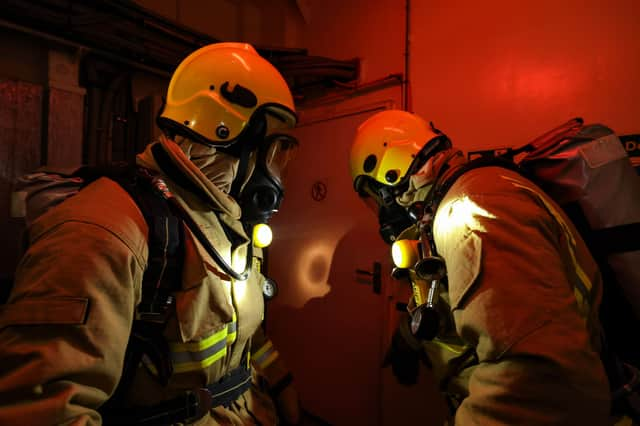
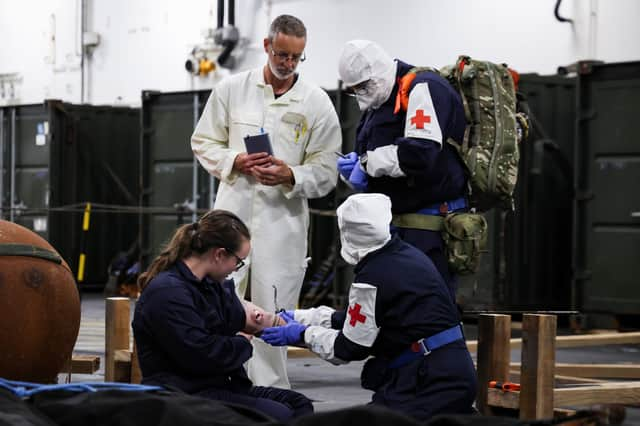
The training drills involves firefighting, handling floods, repairing broken equipment, responding to power failures, and treating mock medical casualties. This is to bring the ship’s company up to their highest level readiness, so they can prepare for possible military operations.
Chief Officer Steven McCubbin, RFA Lyme Bay’s second-in-command, said: “It’s testing, it’s realistic, but I am really pleased at how everyone has pulled together.”
RFA First Officer Paul Creek, one of the sailors from the Navy’s FOST organisation delivering the training, added: “It has been nice to see how the ship’s company have really engaged and executed effective training which has resulted in strong progression.”
RFA Lyme Bay is in Limassol taking on supplies and changing crews, with the vessel embarking mine warfare specialists.