
Iran: Trump peace talks fail as Starmer calls for US to "find a way through" and reopen Strait of Hormuz

Negotiations in Islamabad have failed to resolve what is currently a fragile ceasefire
Sir Keir Starmer has urged the US and Iran “to find a way through” after the failure of peace talks, as he also called for the fragile ceasefire to continue and warned against any further escalation.
The prime minister discussed Washington and Tehran’s negotiations with the Sultan of Oman after the two sides’ 21-hour session in Pakistan ended without an agreement in the early hours of Sunday. US Vice-President JD Vance left Islamabad without a deal, pointing to Iran’s refusal to commit to not build a nuclear weapon, leaving uncertainty over the shaky two-week truce.


In a readout of Sir Keir’s call with His Majesty Sultan Haitham bin Tarik al Said, a Downing Street spokeswoman said: “They discussed the peace talks held in Pakistan over the weekend and urged both sides to find a way through. It was vital there was a continuation of the ceasefire, and that all parties avoided any further escalation, the leaders agreed.”
They also discussed efforts to reopen the vital Strait of Hormuz oil and gas shipping lane, which has been effectively closed by Iran’s grip, sending energy prices soaring. Britain will host further talks on reopening the maritime pinch-point with a coalition of countries next week.
According to the call readout: “His majesty updated on the situation in the Strait of Hormuz, and the prime minister thanked him for Oman’s efforts to rescue sailors from vessels in distress in the region.
“Reflecting on international efforts to co-ordinate safe passage for shipping in the region, the prime minister said that following meetings convened by the foreign secretary and British military planners, partners continued to work towards restoring freedom of navigation for the long term.”
The meeting next week is expected to look for ways to support a sustainable end to the conflict and focus on increasing international diplomatic pressure on Iran to reopen the strait, according to an official with knowledge of the planning.
This includes exploring co-ordinated economic and political measures, such as sanctions, and working with the International Maritime Organisation to secure the release of thousands of ships and sailors trapped in the strait. It would be the third meeting hosted by Britain regarding the issue this month, following a virtual meeting of more than 40 nations convened by the Foreign Secretary and a gathering of allied military officers.
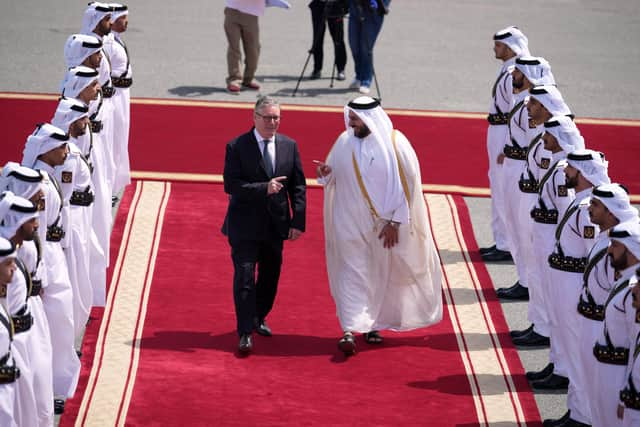
The prime minister visited allies in the Gulf this week for talks on how to support what he described as a “fragile” ceasefire. Gulf nations have borne the brunt of Tehran’s retaliation for the US-Israeli campaign against it, with thousands of Iranian missiles and drones targeting US military sites and energy infrastructure there.
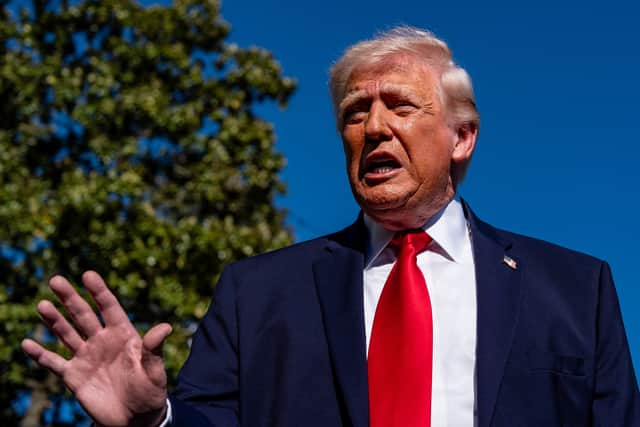
US President Donald Trump agreed a two-week ceasefire earlier this week, with the reopening of the Strait of Hormuz a key condition, shortly after warning Iran that “a whole civilisation will die” if it did not meet his demands.
Health secretary Wes Streeting criticised Mr Trump’s “incendiary, provocative, outrageous” language, and said ministers had learned to draw a distinction between what the American leader “says and what he does”.
Disagreements over the Iran war, Greenland and the Chagos Islands, as well as the US president’s repeated jibes against the UK, had “undoubtedly strained” UK-US relations, the senior minister added.