
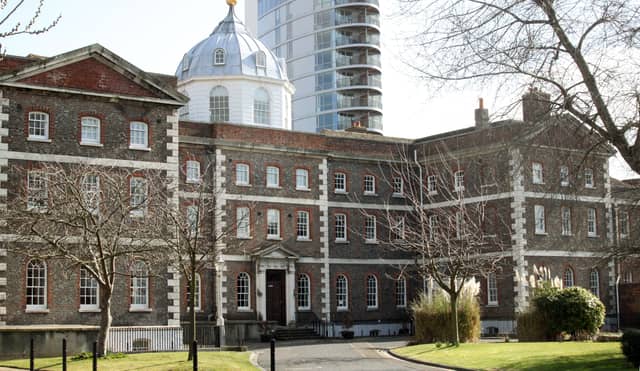


English Heritage highlighted a cluster of sites, many of which are listed buildings. The public body lists locations which are in need of immediate attention so they can be preserved for future generations.
Work has been carried out on several sites which have been listed. Expansion conservation efforts have been undertaken to progress with Fort Widley, one of the many Palmerston forts built between 1861 and 1870.
Bastion No.1 in Gosport was removed from the list after being transformed into a public green space. The site is part of the old defences of Gosport, built between 1797 and 1802 as part of a larger line of earthworks and forts called the Gosport Lines.
While there have been recent success stories, many other locations need urgent action to be saved. HMNB Portsmouth contains various sites dating back to the 1700s and 1800s. Here are the sites at the naval base and around the dockyard on English Heritage’s at risk register.
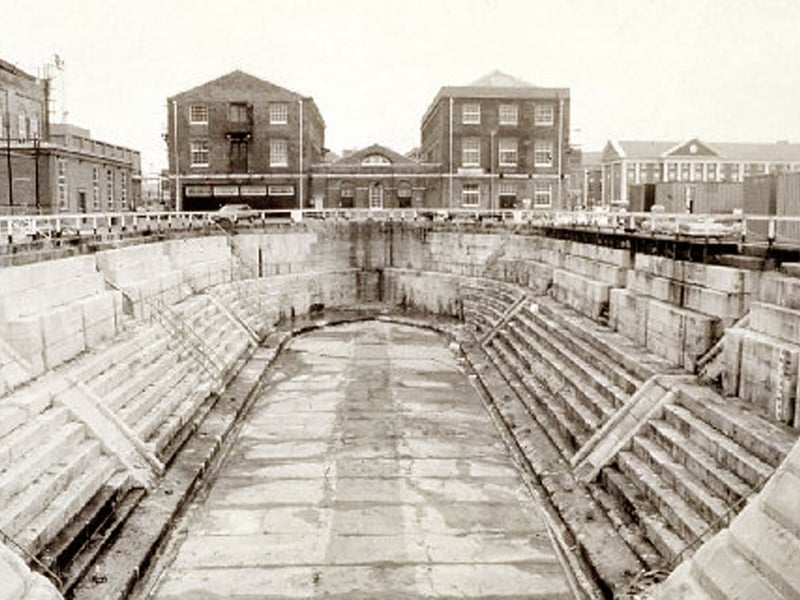
5. No.5 and No.6 Dock - Basin No.1 at Portsmouth Dockyard
Docks 5 and 6 are part of a complex of late 18th century and early 19th century ship building and repairing docks with associated quay walls and mooring fixtures. Dock 6 is suffering from rotation, open mortar joints, water penetration through mitre gate and spalling stonework. Dock 5 has been flooded due to failure of the gates and is vulnerable to algal growth and saturation of stonework with risk of accelerated decay. Works to address water ingress at Dock 6 have been granted SMC and are due to be undertaken soon. This will allow for future conservation repair work to the dock and mitre gate. It has been given a priority C Grade, and is suffering from “slow decay". It is described as being in a poor condition and is a Scheduled Monument. | Contributed
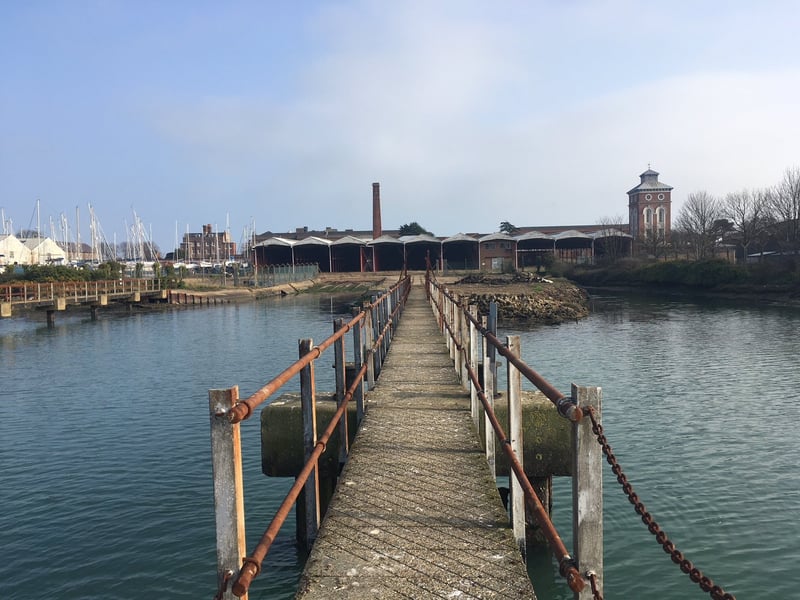
6. Haslar Gunboat Yard - Gosport
A row of ten gunboat sheds and three maintenance workshops, designed in 1856 by William Scamp of the Admiralty Works Department as part of the Haslar Gunboat Yard for the housing and repair of British gunboats, and their successor craft, of the Royal Navy. The adjacent traverser system was used for their launch and movement. The site ceased to be used in the mid-1970s but remained in MOD ownership. Once vacant, its condition deteriorated, with only minimum maintenance undertaken. Planning permission has now been granted to to widen the opening to the Gunboat Yard from Haslar Road by demolishing some of its walls to make a new entrance from Haslar Road. It is hoped that this will help to find a new use for the site. The Grade I listed building is described as being in a 'generally satisfaction' condition. | Historic England
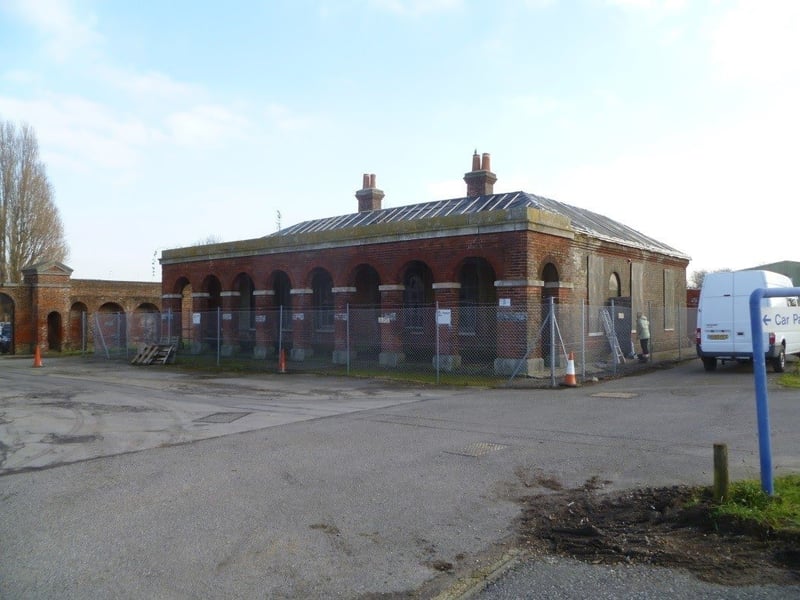
7. Former Guard House - Haslar Gunboat Yard - Gosport
The Former Guard House to Gunboat Yard was constructed in mid-19th century, mainly built of red brick with limestone dressings beneath hipped slate roof. Vacant and at risk due to poor condition of roofs, rainwater disposal, leaning chimney stack, windows, doors, floors and internal finishes. Historic England grant aided a Conservation Management Plan and Feasibility Study. New uses are being explored for the Grade II* listed site. | Historic England
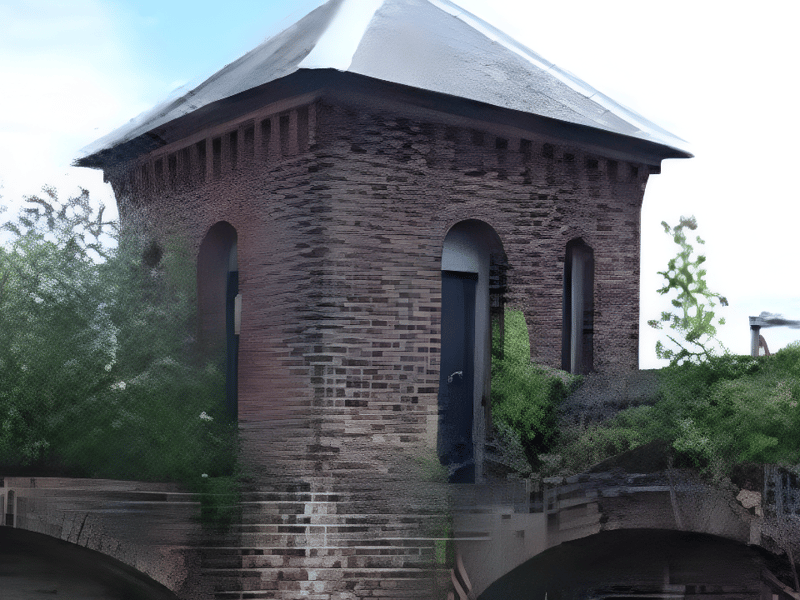
8. Gunboat Yard Boundary Walls, Watchtowers and Gates - Haslar Gunboat Yard - Grade II* listed
The mid C19 boundary walls incorporating corner watchtowers, walkways and gates which are mainly built of red brick laid in Flemish bond with stone dressings and pyramidal slate roofs to watch towers. Historic England say it is at risk due to animal burrowing, defective roofs, eroding brickwork and pointing, missing windows and doors and vegetation growth. Historic England says contact with a local construction college has been established who will supervise brickwork repairs at the site to develop heritage skills. The Grade II listed site is described as being in a poor condition. | Historic England