
Iran: Chaos of US-Israel strikes in Middle East shows desperate need for a global Royal Navy, not a small one

While much of the national press is fixated on the deterioration of the special relationship, I’m more concerned with a different problem.
Prime minister Sir Keir Starmer is doing his best not to get dragged into what could be his incarnation of the Iraq War - standing up to President Donald Trump as the US-Israeli strikes and retaliatory action from Iran continues into its sixth day.
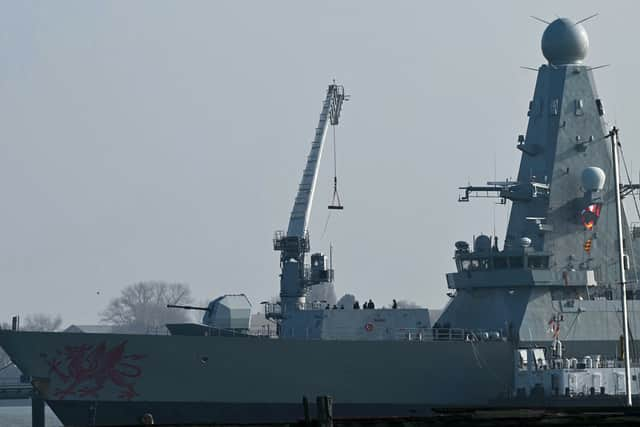

For that, he should be applauded, but criticism must be levied at the state of the Royal Navy fleet and its preparedness to deal with situations on multiple fronts. The UK simply does not have enough ships to field a global navy. New frigates are being built, but are not expected on the frontline for years.
I’m fully aware of defence funding deteriorating over the years of previous governments, but Starmer needs to break these shackles and fast. Delays to the Defence Investment Plan, and constant fighting between the MoD and Treasury, cast doubt on whether targets to increase defence spending will be met.
Then there’s the decision to turn our backs on the Middle East. Retiring HMS Lancaster without a Gulf replacement, and a lack of naval presence in the Mediterranean, look like a pair of shambolic decisions that shows Britain can’t defend its sea assets at pace. Attacks on RAF Akrotiri only reinforce this. With warships like HMS Dragon days away from potential conflict zones, additional forward deployments are a must. The priority should be in the North Atlantic to protect critical infrastructure and respond to Russia’s burgeoning fleet, but not at the expense of everything else.
Given the unpredictable state of the world and leaders more inclined to use military force than ever before, Britain needs to respond to multiple conflicts at once. Our armed forces are already doing stellar work, striking down Iranian drones and protecting our positions without being involved offensively, but they’re not being supported on a macro level.
Whether the UK likes it or not, naval military presence is required across the world now more than ever. Situations can change in an instant. Even if we take Fleet Commander Steve Moorhouse’s laughable comments about allies not wanting British ships in the Gulf seriously - and I really struggle to - the situation has changed in a matter of days.
Longstanding problems with the fleet’s size and availability are continuing to hamper the Royal Navy’s response. Now it’s time for the government to take this seriously, and give our personnel the proper tools to succeed.