
Defence industrial strategy launched for UK firms to bolster Royal Navy, Army and RAF through tech and jobs

Rapid investment and high-skilled jobs are projected to bolster the armed forces following the announcement of the defence industrial strategy.
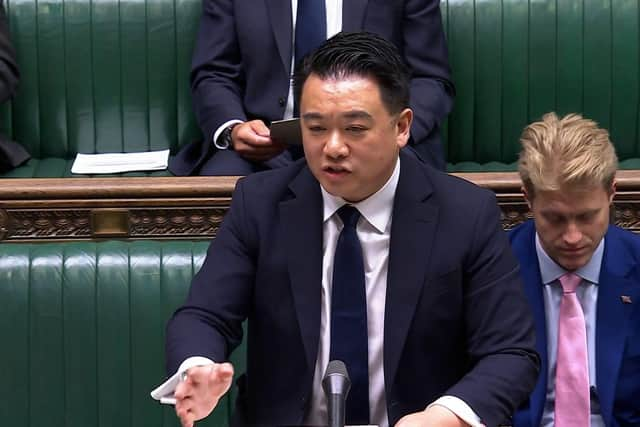
The government has published its policy paper with the aim of driving economic prosperity through the defence sector and training more people to work within it. Announcing the strategy in parliament today, defence minister Luke Pollard said the Royal Navy, Army, and RAF, are only as strong as the industry behind them.
“Our strategy will prioritise British based businesses,” he told the House of Commons. “We will make it easier for British firms to do business with the MoD, We will launch an office of small business growth, to support small to medium sized enterprises, access MoD contracts, and share our five-year acquisition pipeline, allowing businesses to invest with confidence.


“When we export defence capabilities, we strengthen our security abroad, but create high-skilled jobs at home. We will back British businesses to go out and win, win more contracts and create more jobs.”
Under the new strategy, British firms apply for export licences while they are bidding for international work, rather than having to wait for the process to conclude. A new £250m fund for Defence Growth Deals have been launched to encourage job creation in areas of untapped potential. Further funding - £182m - will be allocated to build five defence technical colleges to train 800,000 school pupils.
A defence skills passport will be produced to make it easier for veterans and others to get jobs in the sector. A dedicated section to defence will be made on the UCAS website, alongside a new defence apprenticeship and graduate clearing system, and a defence university partnership to strengthen careers in the sector.

Mr Pollard, Labour, said: “When we buy from our allies, our economy will be strengthened in return through new jobs and novel technologies. Our defence industrial base supports 460,000 and 24,000 apprenticeships, the vast majority of which are unionised. Good well-paid unionised jobs are not only good for defence, but good for growth. Defence is an industry which is a source of prosperity and pride. Workers have a deep sense of purpose in what they do. Their efforts keep our nation safe.”
The minister said the strategy will allow for technologies to be rapidly tested and introduced to the armed forces. He added: “Under the last government, the public accounts committee described procurement as a broken system. For too long, defence has been burdened by waste, delay, and complexity. We know whoever gets technology to frontline forces the fastest, wins. We have done this for Ukraine, now we must do this for Britain.”

Shadow defence secretary James Cartlidge, Conservative, said the strategy was delayed, which is a pattern under the Labour government. “Key appointments and strategy are months late. War is changing rapidly, and Labour is moving far too slowly,” he said. “We welcome measures to boost the skills base of the defence sector. We share the government’s goal of spreading the prosperity benefits of defence around the United Kingdom. Our main concern is that the strategy lacks the ability to fire the industrial base at the scale and place required, when the threats we face are so stark.
“The blunt reality is that for all its talk, actual procurement has been on hold since the election, with the government just purchasing three new drones since last July. They need to start signing capability contracts, as thousands of jobs are at stake in some of those major procurements, which were meant to be resolved in the SDR, which we still await a decision for. We need to see a real world ramping up of the defence industrial investment, not smoke and mirrors.”
Mr Cartlidge asked for updates on several defence contracts, such as the New Medium Helicopter programme for the Army. Mr Pollard said the government has signed 900 deals for contracts since the election. “He accuses us of dithering and delay”, he added, “that is a political projection of the failures of his time in government. We have a clear increase in defence spending and a clear strategy that directs this to direct companies. There is a huge opportunity for businesses up and down the country, in every nation of our land.”

Portsmouth South MP Stephen Morgan, Labour, believes an impact will be felt in the Portsmouth area. He said: “The government has made clear that Portsmouth has a leading role in making Britain stronger and safer, with a major investment announced at the Spring Statement to ensure our city can support Royal Navy operations long into the future. Today’s strategy will ensure that we have the industry we need, and the procurement processes in place, to make Portsmouth and Britain safer: secure at home and strong abroad.”
Gosport MP Dame Caroline Dinenage, Conservative, disagrees. She said: “Gosport has a proud history of serving and supporting our Armed Forces. Through my work bringing an Enterprise Zone to Daedalus Airfield, I have safeguarded the future of defence skills in our area, supporting young people into defence jobs at our local manufacturers, like StandardAero and Qinetiq. Any strategy that supports that work to boost employment in Gosport is welcome, but the devil will be in the detail and so far there doesn't look an awful lot in the Strategy to excite local employers.”
Alan Mak, Conservative MP for Havant, added: “Protecting the British people is the first duty of any government, but Labour have failed to commit to spending three per cent of our national income on defence. Labour’s position is reckless given the security challenges facing our country, and their defence industrial strategy means nothing without proper funding. The Conservatives have committed to increasing defence spending to support our Armed Forces and I will continue to back local people who work for defence firms in Havant and wider region.”
The government has committed to spending 2.6 per cent of GDP on defence by 2027, and an ambition to hit three per cent in the next parliament.