
Admiral insists Royal Navy would have no problem battling a Russian naval force
RUSSIA’S resurgent naval presence in the Baltic would be no match for a ‘balanced’ British task group, which would ‘sink them and be home in time for tea and medals’, a former head of the Royal Navy has threatened.
Admiral Lord Alan West has insisted a UK-led naval force would come off on top if a sea clash were to happen between the Royal Navy and the Russian fleet in the region.
The former security minister’s comments come just days after Russia was branded a ‘hostile’ threat in Britain’s new integrated defence and security review.
Over the past few years, the Kremlin has been investing in its navy, bolstering the numbers of its Baltic fleet, which is made up of 53 warships and three submarines.
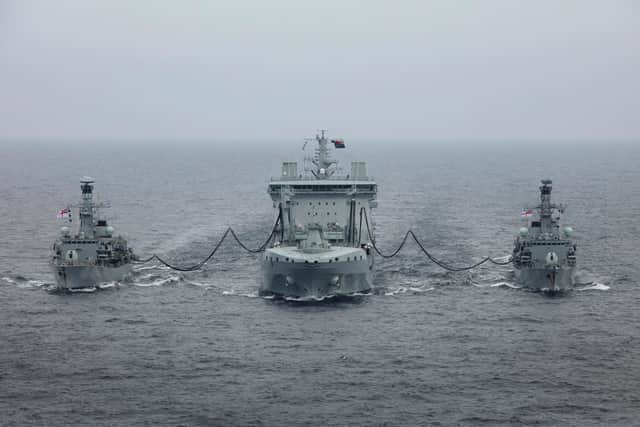

Among the new additions to the flotilla include four of Russia’s newest breed of Steregushcy-class corvettes.
Moscow insists the naval force’s primary duty is to protect the main city of St Petersburg and Russia’s Baltic bastion of Kaliningrad.
However, threatened Baltic states have lashed out over the increased presence of Russian vessels in the region.
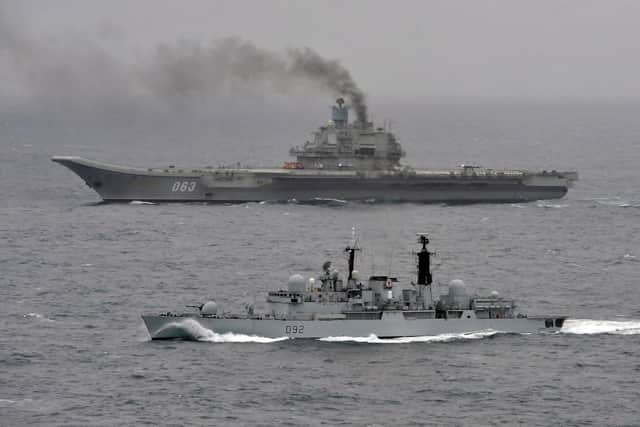
This week, two Portsmouth-based frigates finished leading a task group in a series of war drills in the Baltic, the first deployment of its kind this year which forms part of the UK’s wider defence commitment to the area.
Lord West said: 'There’s no doubt that Russia is seen as a hostile power. They’re working in the grey zone and doing all sort of silly things.
‘In the last few years they have rejuvenated their navy and producing some very good kit – the new submarines, for instance, are very good.
‘I still think with a proper balanced Royal Navy task group, with the F-35s, nuclear submarines and Type 45 destroyers that if we met up with a group of their ships – particularly their old, battered carrier (the Admiral Kuznetsov), which is rubbish – it would be a very good ending, we’d sink them all and be home for tea and medals.’
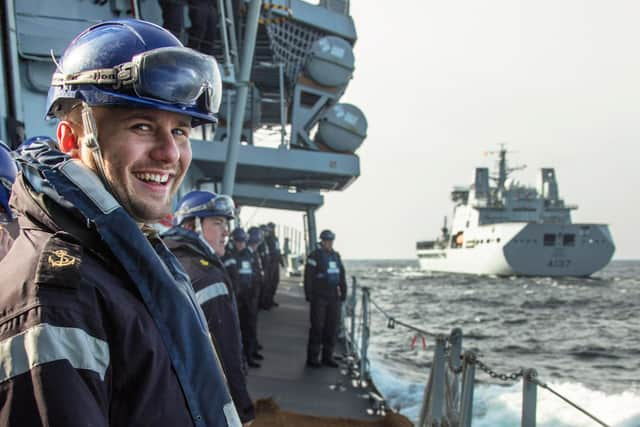
Frigates HMS Lancaster and Westminster, plus British tank RFA Tiderace spent a week in the waters of Northern Europe this month.
The exercise was a test of the UK-led Joint Expeditionary Force which saw the Portsmouth sailors working alongside Baltic counterparts from Lithuania, Latvia and Estonia.
Working in icy conditions, warships from the fleet carried out joint manoeuvres in close company, tested their gunnery skills and practised maritime security operations.
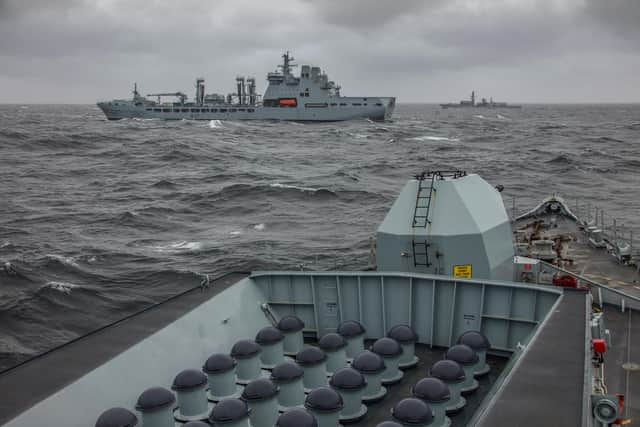
After the drills concluded, Lancaster and Westminster sailed to join Nato’s northern Europe force, Standing Group 1, where they again carried out manoeuvres, refuelling drills and air defence training.