
“The exploitation of children is a very real issue" - Police launch campaign to help parents spot the signs
Police have launched a campaign to help people spot the signs of child exploitation this summer.
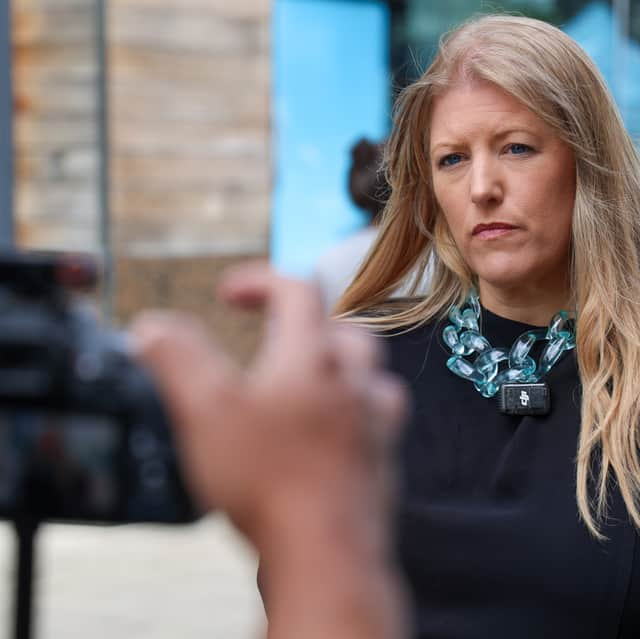
The ‘Is Your Child Safe?’ campaign has been launched by Hampshire and isle of Wight’s police and crime commissioner, Donna Jones, with the aim of raising awareness of exploitation to parents, guardians, and care givers.
It is hoping to give people the tools to spot the signs and know how to help children if they are being used for financial gain, sexual gratification, labour or personal advantage.
PCC Donna Jones said: “The exploitation of children is a very real issue that’s happening right now in Hampshire and the Isle of Wight. We have a collective responsibility to protect them.
“The signs are subtle but they are indicators for when a child is being groomed for criminal or sexual exploitation. We all need to understand what they look like, how to prevent exploitation from happening, how to get advice and how to support children who become the victims of criminalisation and abuse.”

The police advise that the perpetrators are usually older children or young adults who offer money, drugs, gifts, protection, friendship, love or affection to gain the child’s trust. They may also use physical violence and threats to coerce a child into having sex or committing crimes such as carrying and delivering cash or drugs for a gang.
One of the common signs that the police have highlighted is children going missing. From July 2024 to June 2025, 3,069 children were reported missing to Hampshire police, many of whom went missing several times, and it can be a common sign that something is wrong.
PCC Donna Jones added: “There is an undercurrent of child exploitation across our two counties. Children often don’t see that these people aren’t their friends so I’m pleased to be launching this child safety campaign in partnership again this summer.”
The campaign’s run in conjunction with the Office of the Police and Crime Commissioner’s Violence Reduction Unit, Hampshire County Council, Isle of Wight Council, Portsmouth City Council and Southampton City Council.
The signs to spot and advice on how to help can be found below as well as online at https://www.hampshire-pcc.gov.uk/iycs
Signs to spot
- Regularly going missing/coming home late
- Increasingly secretive
- Suddenly having an older boyfriend/girlfriend or friendship group
- Sudden change in friendships
- Returning home under the influence of drugs/alcohol
- Unexplained injuries
- STDs or pregnancy/terminations
- Getting into trouble at school/in the community
- Suddenly having expensive clothes, trainers, money and valuable items
- Asking for money for often excessive need for money
- Receiving a lot of texts/phone calls
- Burner phones/multiple phones
- Sudden interest in gang culture/drill music or other types of music you are not familiar with
- Change in language – use of urban slang or phrases related to drug dealing
- Carrying items linked to criminal activity like weapons, balaclavas, tools, stash bags or small weighing scales
Police advice on what you can do
- Ask questions and listen without judgement. Children need to know they can talk without fear of their parents getting cross and upset.
- Pay attention to their behaviour. Many children cannot voice their worries but will show them in how they act.
- Know their friends. Question new friendships and be aware of any secrecy around these.
- If your child is picked up by someone in a car, make you know who they are and where they are going, and record as much detail as possible.
- If your child takes a journey on a train or bus on their own, check their ticket, know the route and their destination.
- Take an active interest in their online life by checking their phone and internet history.
- Use online security settings and talk about the sites they are visiting and why.