
Frances Obiefuleh murder trial: Jury retires to consider verdict after Havant woman was killed

The jury in an ongoing murder trial has retired to consider its verdict.
Over the past two weeks, Portsmouth Crown Court has tried Norbert Maiksner from Timsbury Crescent, Havant. The 49-year-old is accused of murdering Frances Obiefuleh at an address in Havant on April 17 last year, plus one count of child cruelty.
Police found Ms Obiefuleh’s body at her home, with a child also in the property. Maiksner was walking along the M40 near High Wycombe that morning when he was found by a traffic officer, and told him he had “killed my girlfriend” and to call the police.


Since being arrested that same day, Maiksner has not engaged with the judicial process, and to this date has not spoken with his barristers, entered a guilty or not guilty plea, or turned up for any court appearances. He is within his right to do so, and was ruled physically and mentally fit for the trial to proceed in his absence.
Over the course of Thursday, March 26 and this morning (Friday, March 27) the jury heard speeches from both the prosecution and defence, before Mr Justice Murrary summarised the case.
Prosecuting, Paul Cavin KC said: “He [Maiksner] has never had the courage or common decency to turn up ot court, to do the last thing he should have done, which is turn up to court and plead guilty. He has not turned up to lie his way out of the confession, but not come to court, had the indictment put to him and completed what he started by pleading guilty.
“If he hadn’t confessed, this would still be an overwhelming case against him. He was the only person in he house when she [Ms Obiefuleh] died.
“Central, in fact, to this case is the confession; he has never disassociated himself from it and it’s plainly true, because she had been murdered. But even if we didn’t have the confession, he would be the only candidate for this murder.”
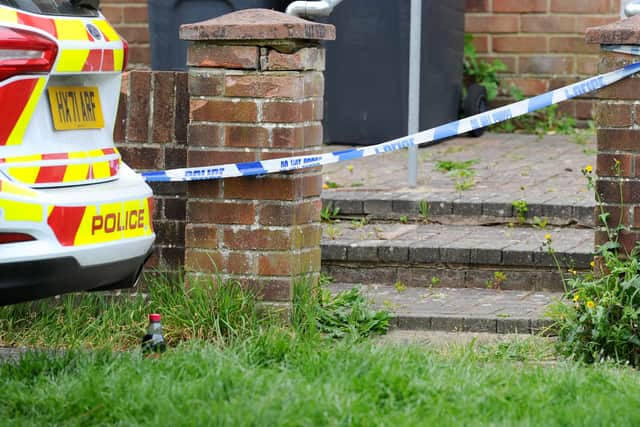
Defending Maiksner, Jodie Mitchell KC said: “One or two of you would have inevitably felt some strong feelings. But you have taken an oath to try the case on the evidence.
“The prosecution have to make you sure. If you think he’s probably guilty, that’s not enough. Only if the prosecution makes you sure of his guilt can you convict him.
“It’s for the Crown to prove he intended to cause her at leastt serious harm. In the lack of direct evidence of what happened, we submit there were CPR efforts from Maiksner himself. There are obvious possibilities for you to consider.
“These are not nice things for me to ask you to consider, but these are all matters which we invite you to reflect on.”
Giving direction to the jury, Mr Justice Murray reminded them that Maiksner’s absence is not an admission of guilt, and summed up the trial before retiring them.
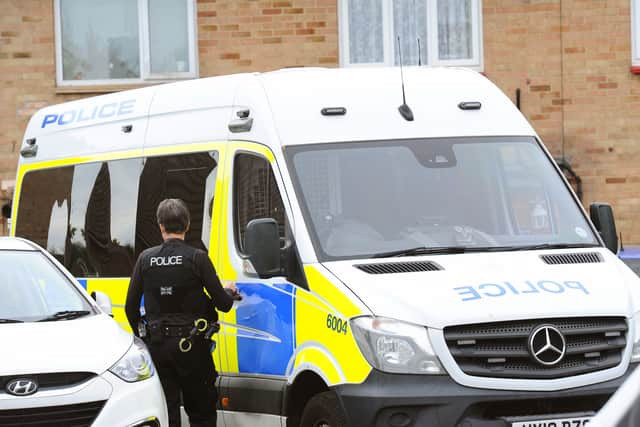
He said: “Only your view of the evidence counts, the facts are your responsibility.
“If you’re not sure he [Maiksner] is guilty then the verdict must be not guilty. You do not have to reach the same verdict on each count. You must, if you can, reach a unanimous verdic on each count.
“At the beginning of the trial I gave you direction on the defendant’s absence. It still applies, but you must also know the following.
“The defendant has not engaged at all with proceedings. He has chosen not to attend any of the pre-trial hearings at the crown court. This means he has never formally entered a plea to either count. The law requires that a plea of not guilty be provided - as a matter of law.
“He’s not given evidence in this trial and he’s not obliged to do so. You must rely on the evidence provided by the prosecution. The fact that the defendant has not chosen to attend the trial is not evidence of guilt, neither does that support the prosecution’s case.
“In a case such as this you must guard against your emotions. These are perfectly normal feelings, but you must not let that cloud your judgement.”
The jury has now retired to deliberate and reach a verdict. In most cases, jurors must reach a unanimous conclusion (12-0) of guilty or not guilty. If not unanimous and after a reasonable time, a majority verdict can also be reached.