
Corhampton Golf Club is refused permission to add an extra four holes to its course after local opposition

A golf club has been told it is not allowed to add an extra four holes to its course
Plans to expand a golf course in the Meon Valley have been rejected, with planners ruling the scheme would damage the landscape, threaten heritage and put local livelihoods at risk.
The bid by Corhampton Golf Club, which was turned down by the South Downs National Park Authority on April 9, proposed four new golf holes on open grassland off Shepherds Farm Lane — part of a scheme first approved in 1988. The application said the long-delayed project had stalled for decades due to cost.
The development would have reshaped the land using about 450,000 tonnes of imported soil to create tees, fairways and greens, alongside new drainage systems and an irrigation pond.
It would have seen up to four lorry movements an hour for as long as three years.
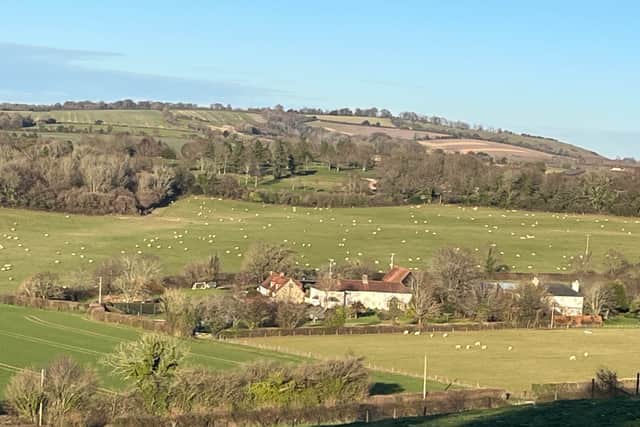

Objectors said the plans would have far-reaching consequences for the rural community. Speaking at the meeting, Penny Stokes, who has lived in the area for 35 years and is an experienced horse rider, warned the development would pose serious safety risks.
She said: “Within two miles south of the site, there are at least 21 livery yards, with around 150 horses between them. Many rural businesses will be affected by this scheme.
“As there is no alternative route, this development would stop us riding out north to access the South Downs. We cannot risk putting our lives — and our horses’ lives — in danger on a narrow road used by a relentless volume of HGVs. Horses and heavy lorries simply do not mix.”
She added the proposal conflicted with multiple planning policies and lacked clear public benefit.
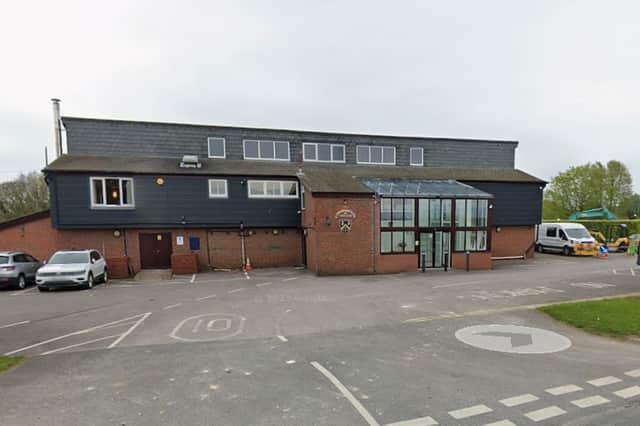
Councillor Danny Lee, speaking on behalf of Droxford Parish Council and Winchester City Council, said the application was excessive and unnecessary.
Cllr Lee said: “There is widespread concern among my five parishes and beyond about the scale, harm and risk in this proposal. The objections you see reflect only a fraction of the level of worry. This proposal is excessive and unnecessary. It fails to meet landscape, heritage and ecosystem service policies and conflicts with the fundamental purpose of the national park. It would set a harmful precedent.”
Responding on behalf of the club, Rob Bailey said: “Corhampton Golf Club was founded in 1991 and has over 800 members, largely drawn from the local community. We have long recognised our responsibility to conserve this landscape, acting as custodians of this area of outstanding natural beauty well before national park designation in 2010.”
In its decision, the SDNPA cited multiple grounds for refusal, including the failure to conserve the landscape and scenic beauty of the national park.
Officers concluded that the scale and form of development — particularly the importation of large volumes of soil onto chalk downland — would appear incongruous and harm the area’s character.
The authority also raised concerns about the impact on natural processes, highlighting the engineered landform and irrigation system as potentially disruptive.
Significant weight was given to the loss of archaeological features, including a Bronze Age barrow, with officials stating that no clear public benefit had been demonstrated to justify such harm. The application was also found to lack sufficient information to prove groundwater would not be adversely affected, amid concerns the imported material could “cap” the underlying aquifer.
Despite the club’s assurances, planners concluded the harms outweighed any potential benefits — bringing the latest chapter of the decades-old proposal to a halt.