
The number of anti-obesity drugs being prescribed in Hampshire are at a five year high

The number of people across the county who were prescribed the anti-obesity drug orlistat last year is the highest since 2018, new figures show.
Data from the NHS OpenPrescribing service shows 6,280 prescriptions for orlistat were handed out by GPs in the former NHS Hampshire, Southampton and Isle of Wight CCG area throughout 2022 at a total cost of £175,400 to the NHS.
It is the highest number of prescriptions for the weight loss drug handed out in the area since 2018.
In the former NHS Portsmouth CCG area 981 prescriptions were given out in 2022, at a total cost of £28,500, which is up from 882 the year prior but down from pre-pandemic levels when 1,000 prescriptions were given in 2019.
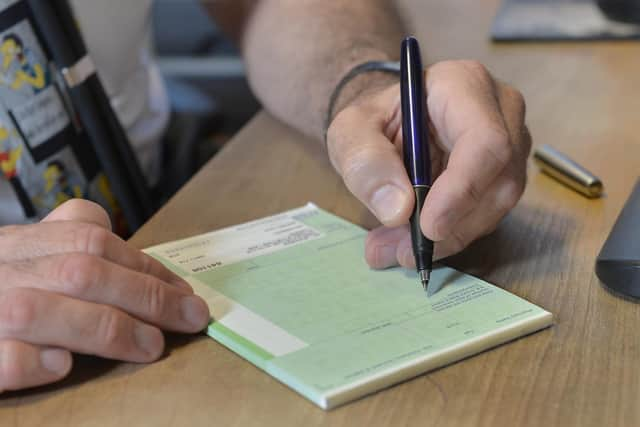

It comes as the National Institute for Health and Care Excellence (NICE) recently approved the use of another weight loss drug, semaglutide, by NHS England.
Currently, orlistat is the primary weight loss drug prescribed by the NHS and has been approved for use since 2010.
Orlistat, commonly sold under the brand name Xenical, is available on prescription from doctors, or can be bought at a pharmacy where it must be taken under the supervision of a pharmacist. The tablet works by preventing around a third of fat from food being absorbed into the body.
The Obesity Health Alliance said drugs alone will not be the answer to the UK’s extremely high levels of excess weight.
‘We need to take action to ensure that as few people as possible reach the stage of needing pharmaceutical or surgical interventions,’ it said.
The OHA added the root cause of obesity must be tackled, including the level of unhealthy food and drink that is marketed and promoted.
Across England, about 360,000 prescriptions for orlistat were given by GPs in 2022.
Beat, a charity supporting those affected by eating disorders, warned the weight-loss medication can seem like a ‘quick fix’, but can have a devastating impact on people with eating disorders.
Tom Quinn, the charity's external affairs director said: ‘We know that misdiagnosis is rife: our own research found that nearly a quarter of people who sought help for binge eating disorder were recommended a diet plan.’
He added frontline healthcare professionals and weight management services must screen for eating disorders when considering a prescription for weight-loss medication.