
RSV: how to avoid the lesser-known virus that targets children and could be worse than a cold

Almost all children have had an RSV infection at least once before they're two years old 🤧
- Cases of RSV are most common in young children and older adults.
- Although symptoms are often mild, they can cause serious complications leading to hospitalisation.
- Those eligible are being urged to take up the RSV vaccine.
Seasonal illnesses are continuing to spread this winter, and while most of us are familiar with the cold and the flu, there is one common virus that affects young children that parents need to be aware of.
RSV is a common virus that causes respiratory infections during winter. Whilst many cases are mild, it can cause serious and life-threatening breathing difficulties.
Cases of RSV have been declining, but those who are eligible are still being encouraged to come forward for the RSV vaccine.
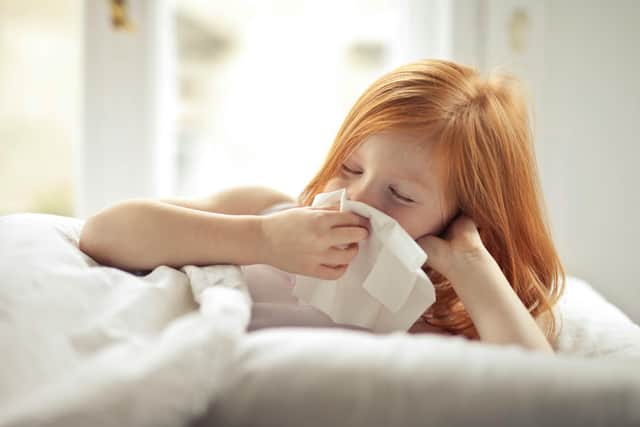

Dr Alex Allen, Consultant Epidemiologist at UKHSA, said: “It’s encouraging to see that levels of flu and RSV have fallen for another week. But we mustn’t be complacent because our data from previous years tells us that the end of the flu season could still be some months away.
“Respiratory viruses are unpredictable but there are steps people can take to reduce the spread and ensure we continue on this downward trend – including taking up a vaccine if you haven’t yet.
“Vaccine appointments are still available on the NHS national booking system and those most at risk who haven’t yet had their vaccine should make sure they take it up now to ensure they are protected for the remainder of the season. RSV vaccination remains open year-round for pregnant women and any older adults aged 75 to 80 who haven’t yet had a dose.”
What is RSV?
Respiratory syncytial virus (RSV) is a common cause of respiratory infections, with most of us having it at least once by the age of two. It is usually mild, but it can cause serious and life-threatening breathing difficulties for babies and older adults, including pneumonia and bronchiolitis.
What are the symptoms of RSV?
The symptoms of RSV usually begin within a few days of getting infected. They can include a blocked or runny nose, a cough, sneezing, fatigue and high temperatures. Babies can also be more irritable and feed less than usual.
Who is eligible for an RSV vaccine?
The RSV vaccine helps reduce the risk of an infection causing serious complications, such as pneumonia and bronchiolitis.
You can get a RSV vaccination on the NHS if:
- you're 28 weeks pregnant or more – this will help protect your baby for the first few months after they're born
- you're aged 75 to 79
- you turned 80 years old after 1 September 2024
A UK Health Security Agency study published in July 2025 found that RSV vaccines are 82% effective at protecting older people from hospitalisation and 72% effective for newborns when mothers are vaccinated at least 14 days before birth.
Speaking in July 2025, Greta Hayward, Consultant Midwife at the UK Health Security Agency, said: “Having the RSV vaccine during every pregnancy is the best way for women to protect their newborn against RSV, as the vaccine boosts their immune system to produce more antibodies against the virus, and these then pass through the placenta to help protect their baby from the day they are born. RSV infects around 90% of children in their first 2 years of life.”
Seasonal illnesses are still spreading this winter. You can find out more about the signs and symptoms of RSV and how to access a vaccine at NHS.UK.