
QA Hospital's emergency services "requires improvement" due to overcrowding issues says CQC - with hospital being rated good overall
Queen Alexandra Hospital has been told it needs to make improvements to tackle its urgent and emergency care services - with overcrowding and safety concerns raised by an independent health watchdog.
Inspectors for the Care Quality Commission (CQC) made an unannounced visit to the Portsmouth hospital between May 6 and 10 following concerns raised around the service. While overall the hospital was rated as ‘good’, the urgent and emergency services was rated as ‘requires improvement’.
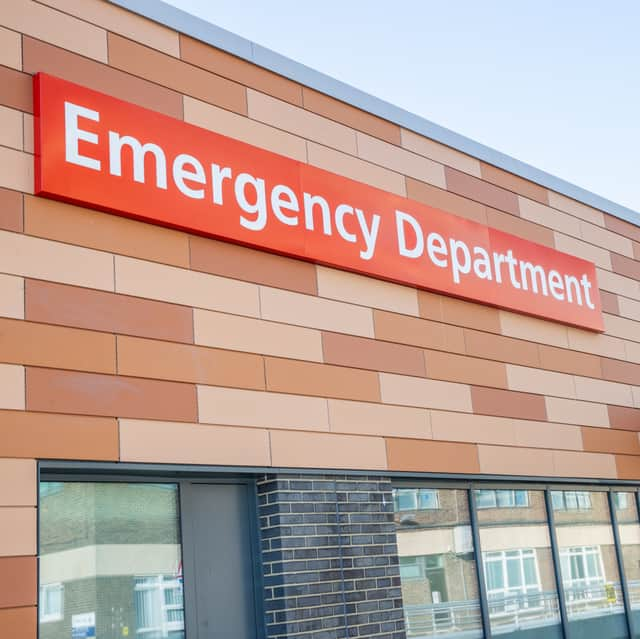
This was the first inspection to take place at QA’s new emergency department since it opened in November last year as part of the hospital’s strategy to tackle its issues with capacity at the department.
One of the main concerns highlighted in the report was the issue of overcrowding with patients being treated in “inappropriate spaces such as corridors and non-clinal spaces”.
Inspectors found the department was “often crowded” with patients being treated in corridors with “no dedicated area for personal care” and “no patient call bells”. Further to this, having patients in the corridor meant it was difficult to use some medical equipment and also created a “falls and ongoing safety risk” to all patients in the area.
Other issues raised included staff felt clinicians “did not engage in mitigating the risk posed by overcrowding in emergency department by facilitating flow throughout the hospital and preventing emergency department attendances".
Infection risks were also highlighted with ambulance staff sometimes offloading infectious patients “immediately from ambulances before dedicated spaces were available”.

The new department has dedicated areas to support and treat people with mental health issues. However, the CQC report stated that specialist mental health staff told inspectors they did not conform to best practice standards and guidelines.
Despite the issues raised, the hospital received a good overall rating, and for the urgent and emergency services it still received a ‘good’ under the effective and well-led domains (with the service rated under five sections: safe, effective, caring, responsive, and well-led).
Staff were said to regularly discuss safeguarding concerns in huddles and meetings. The inspectors also described staff as “friendly and helpful” when administering care.
As well as the inspection on urgent and emergency services, the CQC also undertook and inspection of medical care (including older people's care) on May 6 and 7 which was rated as good across the board.
Penny Emerit, CEO of Portsmouth Hospitals NHS Trust, said, “We welcome the CQC’s recent inspection and the recognition of improvement. We know there is more to be done and intend to build on the progress to date.
“Our medical care teams have worked very hard to maintain their Good rating and it is fantastic to see inspectors highlight a culture of listening, learning and trust with continuous improvement being embedded into the service.
“The service has embraced our quality improvement approach, Delivering Excellence. This report highlights examples of where our teams are using that approach to make improvements that have a positive impact for our patients, including improvements in early diagnoses of lung cancer and workstreams supporting flow within the hospital by providing enhanced support on inpatient wards that improve the discharge process.
“We have made significant changes to our urgent care pathways, in particular over the last year with the opening of our new emergency department in November 2024, and it is pleasing that the CQC recognised the considerable improvement in ambulance handover times. But we know that there is still more to be done and we agree with CQC that flow remains a challenge that creates a poor experience for some people.
“Providing a safe and positive experience for our patients and supporting our staff, who were found to be kind and considerate, is a priority for us. We are committed to working together with our patients, colleagues and health and care partners to continue to improve and address the themes identified in this report.”
The CQC report can be found here.