
Measles outbreak: symptoms parents should look out for after cases soar following outbreak in London

The rise in measles cases is being driven by an outbreak in London 🏥
- Measles is a highly contagious viral illness that can have serious health consequences.
- There have been 96 laboratory-confirmed measles cases reported in England so far in 2026.
- The rise in cases is being driven by a measles outbreak in North London.
- Parents are being encouraged to check their child’s vaccination status.
Parents are being urged to check if their child is vaccinated against measles, after an outbreak across schools in North London.
Cases of the highly contagious viral infection have soared, with 96 already recorded across England since January 1, 2026. The majority of these cases were in London, followed by the West Midlands and the East of England.
Measles is a highly contagious viral illness that can have serious complications, even leading to death. The measles vaccine remains the best form of protection for catching or spreading measles.
The UKHSA states that around 99% of those who have both doses will be protected against measles and rubella. Although mumps protection is slightly lower, cases in vaccinated people are much less severe.
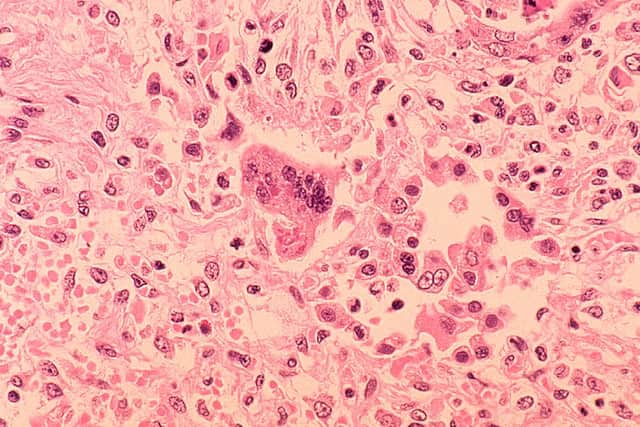

What is measles?
Measles is a highly contagious viral infection that can lead to serious health complications and even death. It can affect any age, but is more common in children. The measles vaccine was introduced in 1963 and remains the best way to prevent catching it or spreading it to other people.
What are the symptoms of measles?
The signs of measles usually begin 10 to 14 days after being exposed to the virus. They include cold-like symptoms, such as a high fever, cough, runny nose, sore throat and the tell-tale all-over-body rash.
It usually starts on the face and spreads to the rest of the body, appearing three to five days after the first signs of symptoms and lasting for several days. The rash can be flat or slightly raised and join together into larger patches.
How to get the measles vaccine?
The measles vaccine remains the best way to prevent catching it or spreading it to other people. It was previously given through the MMR vaccine, but from January 2026, it is now given in the MMRV vaccine, which offers protection against measles, mumps, rubella, and chickenpox.
If your child was born on or after January 1, 2025, they will receive the first dose of MMRV vaccine when they are 12 months old and the second dose when they are 18 months old.
For children born between July 1, 2024 and December 31, 2024, they will receive the first dose of the MMRV vaccine at 18 months and the second dose at 3 years 4 months. If your child has already received their first MMR vaccine, they will receive one dose of the MMRV vaccine.
If you are unsure whether your child is up to date with their vaccinations, you can check their vaccination Red Book or contact your GP practice. Anyone, at any age, who has not had two doses of the measles vaccine can contact their GP surgery to book an appointment.
Parents are being urged to check their child’s vaccination status after an outbreak of measles in London. You can find out more about the signs and symptoms and how to get a MMR vaccine at NHS.UK.