
Extreme heat, air pollution, flooding and diseases from insects threaten Portsmouth's health
Portsmouth City Council has unveiled a report focusing on the critical links between health, climate change, and the impact of environmental challenges.
The report, which was noted in a recent cabinet decision meeting, outlined the threats posed by climate change to public health in the city, including extreme heat, air pollution, flooding, and the risk of insect-borne diseases.
Dominique Le Touze, the council’s assistant director of public health, said that climate change is one of the "biggest threats to our health currently and to the future".
Air pollution
Air quality remains a pressing concern in Portsmouth. In 2022, 6.2 per cent of adult deaths in the city were attributed to long-term exposure to particulate air pollution, exceeding the England average of 5.8 per cent.
Over half of Portsmouth’s population, around 110,000 people, are highly vulnerable to air pollution, with transport contributing approximately 50 per cent of the problem.
Councillor Heaney raised questions about the continuation of the city’s Clean Air Zone, which aims to reduce nitrogen dioxide levels by charging non-compliant vehicles entering the city centre.
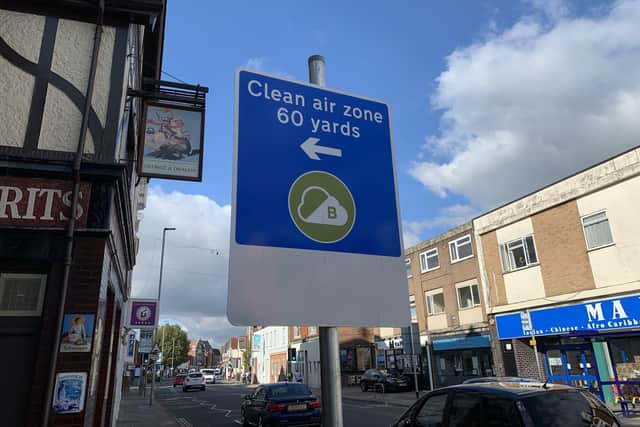

Ms Le Touze explained that the Clean Air Zone would likely remain, as nitrogen dioxide levels had not been reduced as required. She added: "We’re waiting to hear from the central government - I know they’re finishing their targeted feasibility study currently."
Environmental factors impacting health
In Portsmouth, environmental and occupational factors are linked to 17 per cent of heart disease and stroke deaths and 28 per cent of deaths from Chronic Obstructive Pulmonary Disorder.
Flooding risks persist
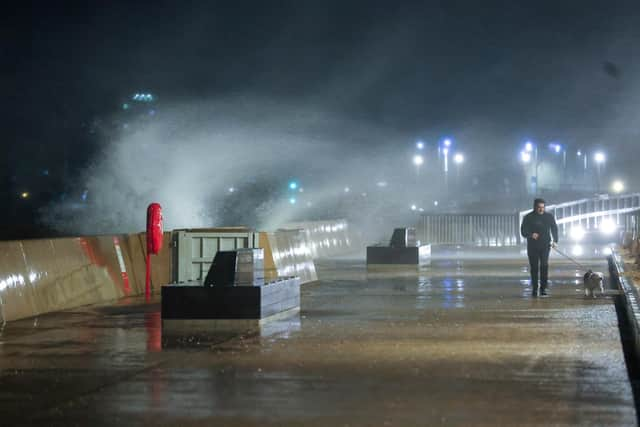
Despite the city’s coastal defence scheme, surface water flooding remains a concern. “There is still a degree of surface water flood risk which is not mitigated by those coastal defences, and that’s something we really need to think about in the city,” a council officer said.
Rising temperatures and insect-borne disease
Portsmouth’s average annual temperature is projected to increase by 2.22°C by 2050, with summer rainfall expected to drop by 20 per cent. This could lead to more frequent and severe heat waves, with heat-related deaths in the UK potentially increasing six-fold by the 2050s.
Insect-borne diseases also pose a growing threat. Globally, such diseases cause around 700,000 deaths annually. Portsmouth International Port is monitored for the invasive tiger mosquito, a species that has been detected six times in the UK along transport routes from Europe.