
Coronavirus: Why you shouldn't be concerned if you see paramedics dressed like this
THE coronavirus outbreak is continuing to spread with cases increasing across the country daily.
As of 9am on Sunday, the total number of cases of covid-19 in the UK has reached 1,391.
This includes 55 in Hampshire, with one case in Portsmouth and one in Southampton.
A total of 35 people have now died in the UK after testing positive for coronavirus.
Understandably many people are concerned by the outbreak, however South Central Ambulance Service has moved to quell worries about the way paramedics are dressing.
In a series of posts on social media, SCAS explained if you see members of ambulance crews wearing fluid repellent masks and disposable aprons this does not mean they are treating a patient with coronavirus.

SCAS tweeted: ‘Our staff are following national guidance & wearing fluid repellent masks & disposable aprons as well as their standard nitrile gloves when seeing a wider range of patients.
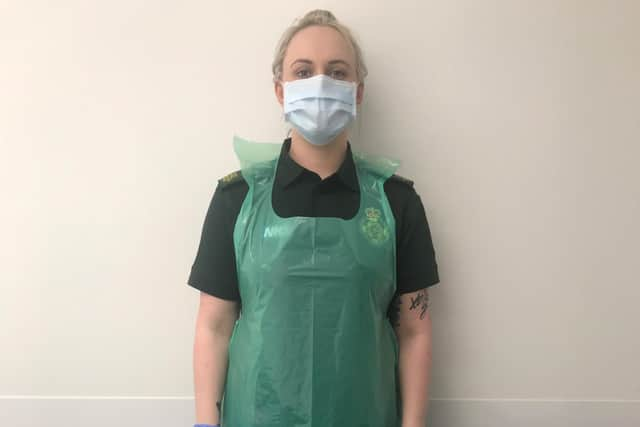

‘This does NOT mean the patient is a confirmed case of Covid-19.’
‘The extra PPE is being worn at more emergencies we go to in order to protect our staff and minimise risk to other patients they see later on their shift.
‘We're doing our bit.
‘Please make sure you do yours and follow advice.’
Coronavirus: the facts
What is coronavirus?
COVID-19 is a respiratory illness that can affect lungs and airways. It is caused by a virus called coronavirus.
What caused coronavirus?
The outbreak started in Wuhan in China in December 2019 and it is thought that the virus, like others of its kind, has come from animals.
How is it spread?
As this is such a new illness, experts still aren’t sure how it is spread. But.similar viruses are spread in cough droplets. Therefore covering your nose and mouth when sneezing and coughing, and disposing of used tissues straight away is advised. Viruses like coronavirus cannot live outside the body for very long.
What are the symptoms?
The NHS states that the symptoms are: a dry cough, high temperature and shortness of breath - but these symptoms do not necessarily mean you have the illness. Look out for flu-like symptoms, such as aches and pains, nasal congestion, runny nose and a sore throat. It’s important to remember that some people may become infected but won’t develop any symptoms or feel unwell.
What precautions can be taken?
Washing your hands with soap and water thoroughly. The NHS also advises to cover your mouth and nose with a tissue or your sleeve (not your hands) when you cough or sneeze; put used tissues in the bin immediately and try to avoid close contact with people who are unwell. Also avoiding touching eyes, nose and mouth unless your hands are clean.
Sources: World Health Organisation and NHS.