
Coronavirus symptoms: Loss or changed sense of taste and smell to be added to NHS list weeks after concerns raised
A LOSS or changed sense of taste or smell are to be added to the NHS coronavirus symptoms list, weeks after experts first raised concerns that Covid-19 cases are being missed.
Anyone suffering loss of taste or smell, or a noticeable change, should now self-isolate for seven days to reduce the risk of spreading the infection, England's deputy chief medical officer, Professor Jonathan Van-Tam said.
If the symptomatic person lives with others, they should stay at home for seven days, while all other household members should stay home for 14 days even if they do not have symptoms.
The move means loss of smell or taste will now be listed alongside fever and cough as the main symptoms of Covid-19.
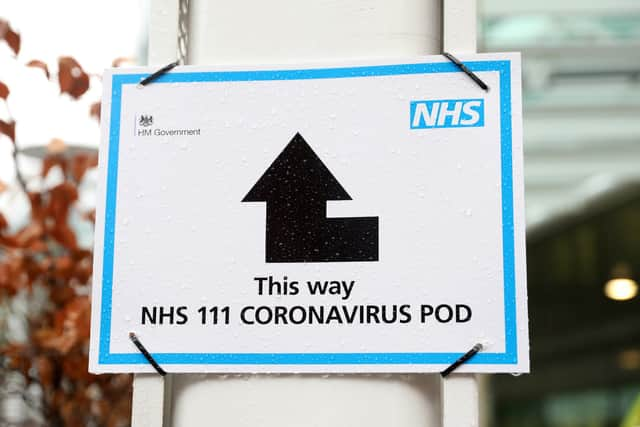

Until now, the NHS 111 coronavirus symptom checker has listed high temperature and cough as the symptoms of Covid-19.
Prof Van-Tam said: ‘We list about 14 symptoms which we know are related to having a positive swab test.
‘These are not being picked up by the NHS. This country is missing them all and not only underestimating cases, but also putting people at risk and continuing the epidemic.
‘There's no point telling people to be alert if they don't know the symptoms.’
Prof Van-Tam said scientists had had to ‘work out very carefully’ how valid loss of taste or smell were in counting cases and where in the course of an illness the symptoms might occur.
He added: "The question for Nervtag (New and Emerging Respiratory Virus Threats Advisory Group) has always been: at what point can we be sure that by adding anosmia (loss of smell) or adding anything else, frankly – there's plenty of other things such as fatigue, diarrhoea loss of appetite - at what point would adding any of these definitely improve and help us to pick up cases?
‘That work has now been completed. And that's why we've got to the position we have now, not just about whether or not anosmia exists – it's about what role it plays in identifying cases, and that's taken time to work through those data.’