
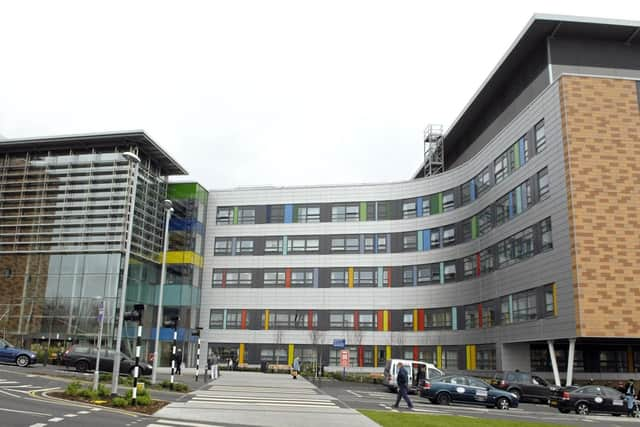
A&E visits to Queen Alexandra Hospital in Portsmouth drop by nearly half compared to last year
VISITS to the Portsmouth’s emergency department have dropped by nearly a half, compared with last year as the public stays away during the coronavirus outbreak.
NHS England data shows 6,580 A&E attendances were recorded at Queen Alexandra Hospital last month marking a 49 per cent decrease from April last year, when there were 12,872.
Figures for March this year saw a drop of 23 per cent with only 10,122 patients seen compared with 13,098 attendances last year.
The sharp drop has prompted concern that some people's conditions may have worsened as a fear of infection kept them from seeking care.

Nationally, there were 917,000 A&E attendances in April 2020, down 57 per cent from 2.1 million in 2019.
Roger Batterbury from Healthwatch Portsmouth said: ‘I would say that the intelligence from the public that Healthwatch locally has been receiving is that out of respect for the incredible job that the NHS is doing for people who are severely affected by Covid-19, those who are needing hospital treatment are foregoing attendance but it is not clear what they are doing instead to seek support for their medical need, be it urgent or not.
‘Another reason for fewer attendances at A&E we hear is probably linked to people’s innate fears of catching coronavirus if they enter into a hospital building in which staff are looking after patients who have been infected with Covid-19.’
The NHS figures show emergency admissions at Portsmouth Hospitals also fell, from 4,958 in April 2019 to 3,504 last month.
Dr Nick Scriven, a past president of the Society for Acute Medicine, said: ‘This is a ticking timebomb in itself and it will be exacerbated by a myriad of other pressures in the coming weeks.
‘There will be an ongoing need to keep people with coronavirus separate from others to prevent transmission. Attempting to manage increased demand will be very challenging.’
Professor Stephen Powis, NHS medical director, said although A&E attendances were sharply down, the majority of reductions were for lower-risk conditions.
He added: ‘The NHS has launched a public information campaign reminding the people of the importance of seeking care for urgent and emergency conditions.’