
Fears grow that coronavirus lockdown will widen gaps in Portsmouth and Hampshire education
LEADING educationalists have expressed concerns about a potential ‘learning gap’ when children return to school after lockdown.
It comes after a group of MPs wrote to education secretary, Gavin Williamson, expressing concerns the prolonged absence from school would have a greater impact on children from disadvantaged backgrounds. The letter has requested additional funding to ‘help bridge the gap’.
The letter stated: ‘A catch-up premium of £300m across England is what’s required - an entitlement of at least £700 for every secondary school pupil on free school meals - to fund timely interventions which would require around 30 minutes of tuition three to five times a week.’
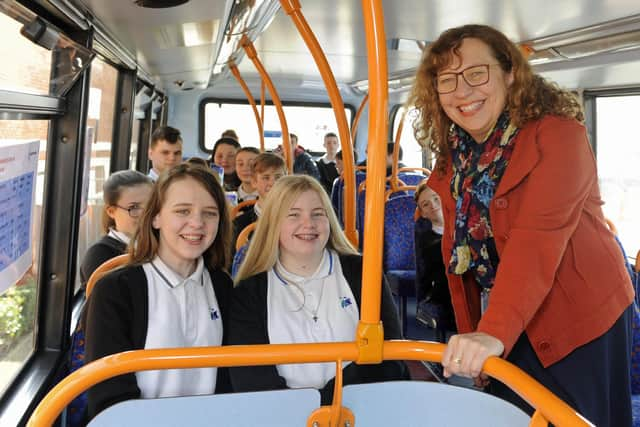

Portsmouth City Council’s cabinet member for education, Suzy Horton, agreed that children in lockdown will ‘experience learning inequalities’.
Cllr Horton said: ‘There’s no doubt there will be inequalities in children’s experience which will vary depending on parental support and knowledge, attitudes to learning and digital inequality in accessing online learning.
‘I know some private schools are providing a virtual school day with small group sizes covering children’s normal lessons online. There’s little doubt that those who have a privileged experience will widen the gap with other children.’
National Education Union president and Portsmouth teacher, Amanda Martin, agreed that additional funding may be needed to provide targeted support.
Ms Martin said: ‘The effects of this virus are greatest on the poorest and most vulnerable and that includes education. I absolutely agree with this sentiment that additional money will be required to help support our most vulnerable children when we return to school.’
However, while headteacher at Park Community School in Havant, Chris Anders, feels there will inevitably be a learning gap after lockdown, he feels it is ‘too simplistic to put it all down to socioeconomic factors’.
Mr Anders said: ‘Children living in rural communities may be impacted by their access to broadband. It’s also about parents’ and children’s different abilities to make use of resources.’
The government recently announced plans to bridge the digital gap by providing disadvantaged children with laptops.