The UK’s leading charity devoted to saving butterflies, moths and their habitats is encouraging Winchester residents to support our vital pollinators following a successful summer event at Magdalen Hill Down.
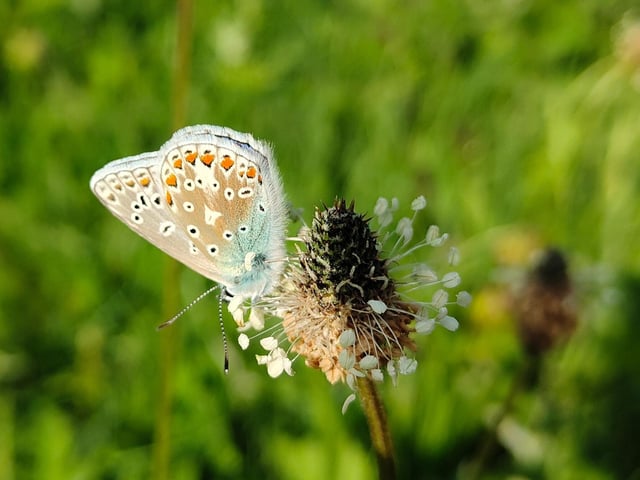
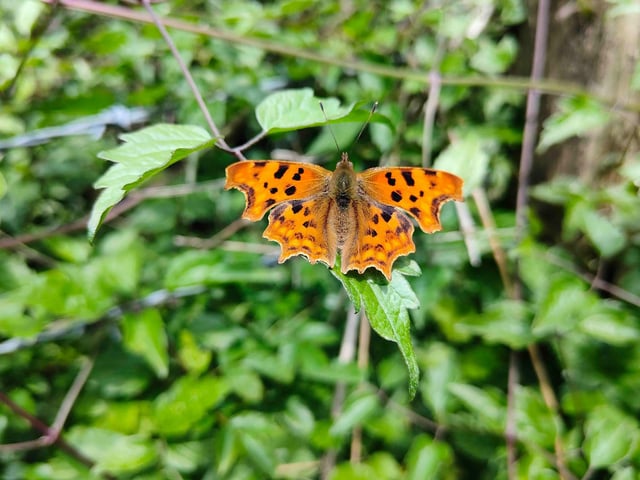
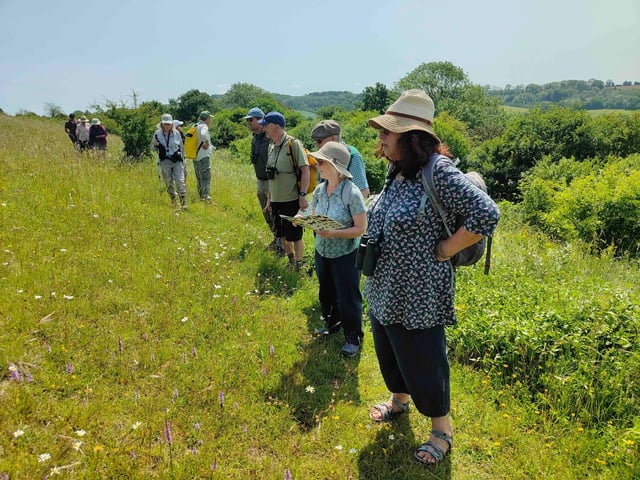
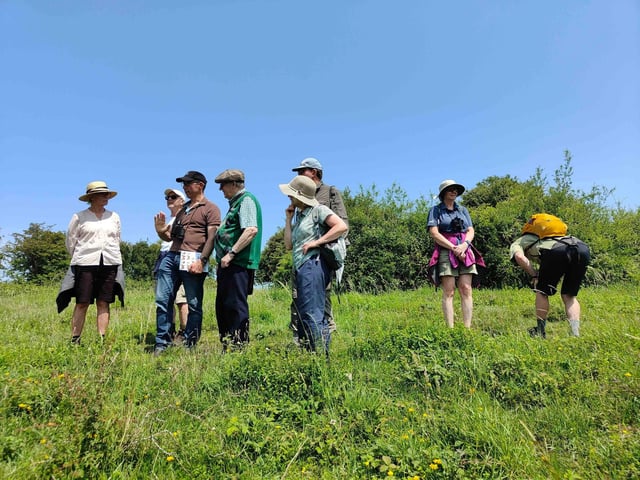
This month, Winchester residents joined Butterfly Conservation’s volunteers for a guided walk to explore the rich biodiversity of the rare chalk grassland habitat, which is home to more than 30 butterfly species, including Hampshire’s largest population of Brown Argus.
With the warmer weather creating ideal conditions, the walk gave attendees a rare glimpse of some nationally rare species which are vital pollinators in our ecosystems. Sightings of over a dozen species during the event included the striking Narrow-bordered Bee Hawkmoth and the nationally rare Adonis Blue; an iridescent, fast flying pollinator that flashes like a Kingfisher.
Fiona Scully, Reserves Officer for Butterfly Conservation and Site Manager at Magdalen Hill Down, explained how careful, targeted management of chalk grassland habitats has led to a dramatic increase in butterfly numbers on the Winchester site.
“Almost lost to scrub in the 1980s, Magdalen Hill Down is now one of Hampshire’s richest butterfly sites,” said Fiona. “We’ve seen a real transformation here. From a former army camp and intensively farmed wheat fields to orchid-rich meadows filled with Marbled Whites, this site is becoming vibrant and full of life and colour, once again.”
As part of a long-term commitment to nature recovery, Butterfly Conservation recently signed a new lease with The Church Commissioners for England, securing the future of the 46-acre chalk grassland habitat. The remaining proportion of Magdalen Hill Down is owned and managed in partnership with Hampshire County Council.
Fiona continues: “It was excellent to give attendees at our guided walk the ability to see such an abundance of species for themselves. It’s a shining example of what careful management, community support and long-term stewardship can achieve.”
To help local residents support pollinators in their own gardens, Fiona shares her top tips:
- Rethink your lawn: Leave areas of long grass to give butterflies like Meadow Browns a place to lay their eggs.
- Plant pollinator-friendly species: Prioritise native plants like marjoram, cowslips, and honeysuckle, and leave ivy to flower for late-season nectar. Scented plants like sedum, oxe eye daisy, aster and verbena, alongside native wildflowers such as marjoram, ivy, honeysuckle, scabious and knapweed are also helpful.
- Create bug-friendly features: Leave deadwood piles and build bug hotels to support a range of invertebrates.
The event followed a renewed commitment to nature recovery between The Church Commissioners for England – Magdalen Hill Down’s landowners – and the charity. The organisations recently signed a new lease allowing the charity to continue its ongoing conservation efforts. As landowners, The Church Commissioners’ lease renewal secures the future of the 46- acre chalk grassland habitat on the edge of Winchester.
The former WW1 Magdalen Hill Down camp, once overrun with scrub and intensive agriculture, has been transformed by Butterfly Conservation’s efforts over the last three decades; supported by The Church Commissioners’ approach to land access, targeted grazing and community involvement.
The new lease brings together two previous agreements and provides long-term stability for the conservation charity, enabling them to further restore and protect this unique chalk grassland which is known for its wildflowers, ancient Bronze Age barrows and educational Youth Rangers programme.
“We are always looking for parts of our land that can be harnessed to promote nature recovery,” said Cameron McKillop, Asset Manager at the Church Commissioners for England. “This agreement means this local success story will continue, and we’re proud to support it.”
Magdalen Hill Down remains open year-round and is just a short walk from Winchester’s city centre. Visitors can explore wildflower meadows, spot rare species, and learn how land management and community support are helping nature to thrive.
Looking ahead, Butterfly Conservation is inviting residents to return for an upcoming event on Tuesday 13th August 2025, where they hope to spot Chalk Hill Blues, a butterfly highly dependent on chalk and limestone habitats and the Horseshoe Vetch flower. This symbiotic relationship makes the species locally abundant, but highly restricted to specific regions like Hampshire? and the Cotswolds.
To find out more about the upcoming August event and Butterfly Conservation’s work at Magdalen Hill Down, visit: butterfly-conservation.org