
Energy prices: Ofgem price cap may fall by 1% in January 2026 - Cornwall Insight predictions

This article contains affiliate links. We may earn a small commission on items purchased through this article, but that does not affect our editorial judgement.
A tiny January fall offers little relief as experts warn network costs could push bills back up ⚡
- Energy bills are expected to fall by just 1% in January — around £22 a year
- The small drop is driven by lower wholesale prices, but new nuclear charges cut into savings
- Experts warn bills remain far above pre-crisis levels despite the slight dip
- Prices are forecast to rise again in April, with a £75 increase to the price cap
- Rising network and infrastructure costs, not wholesale prices, are behind the upcoming hike
Households can expect a fall in their energy bills from January, but experts warn the drop is so small most people will barely notice it before prices begin climbing again.
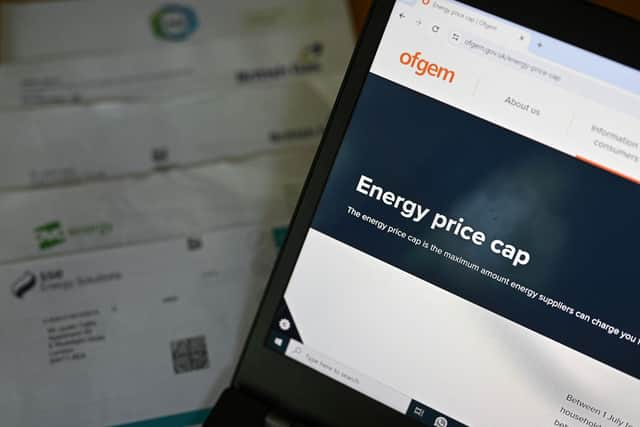
Fresh forecasts from specialist consultancy firm Cornwall Insight suggest Ofgem’s price cap will fall by just 1% when it resets in January.
For the average household, that equates to a saving of around £22 a year, or less than £2 a month. The predicted dip is being driven by small reductions in wholesale energy prices.

It also comes despite the Government preparing to introduce a new Nuclear RAB (Regulated Asset Base) levy, designed to help fund the construction of future nuclear power stations.
That charge, which is set to add about £10 a year to bills, doesn’t cancel out the drop in wholesale prices, but it does chip away at the already tiny savings households would have seen.
Craig Lowrey, principal consultant at Cornwall Insight, said the headline decrease risks masking the reality that energy costs remain historically high.
“January’s price cap dip might look like good news but it’s only part of the picture,” he said. “Bills are still well above pre-crisis levels and are set to climb again in April, and this time it’s not higher wholesale prices driving the rise.”
Cornwall Insight now expects the price cap to jump by around £75 in April.
The consultancy says this is largely due to rising charges linked to running and maintaining Britain’s energy networks, including electricity transmission lines and gas distribution systems, rather than global energy market volatility.
That shift marks a significant moment, and even as the UK moves away from fossil fuels and towards a more stable, renewable-led energy system, the transition itself is pushing short-term costs upward.
Lowrey said the challenge now is helping households understand why costs remain stubborn even as wholesale prices ease.
“The shift to renewables will bring long-term stability and energy independence, but it’s not free,” he said. “The upfront costs are real, and they’re landing on bills now.”
For households already struggling with the wider cost of living, January’s tiny reduction won’t offer much breathing room, and a tougher spring may follow.

With household expenses continuing to rise and energy bills still higher than pre-crisis levels, more people are turning to Utility Warehouse (UW) to save money. UW lets you bundle services like broadband, mobile, energy and insurance into one streamlined account—reducing hassle while unlocking multi-service discounts. The more you bundle, the more you save.
Customers benefit from a single monthly bill, up to £400 towards early exit fees, and access to cashback on everyday spending. UW also offers the UK’s cheapest variable energy tariff when bundled, helping shield households from further price hikes.