We sat down with some of the creative team to lift the lid on this spine-tingling production.
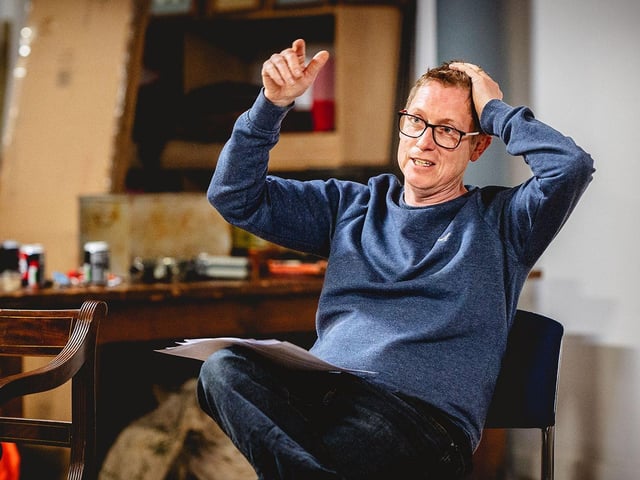
Writer and Director, Ryan Simons is a Yorkshire-based playwright, director and filmmaker. He trained as a writer with Hull Truck, and his television work includes Eastenders, Emmerdale and Spooks. His horror films Seizure and Demon Eye have been released theatrically in America and Europe, distributed in thirty territories globally. His recent short film Tea With The Reaper won four prestigious awards after initial release.
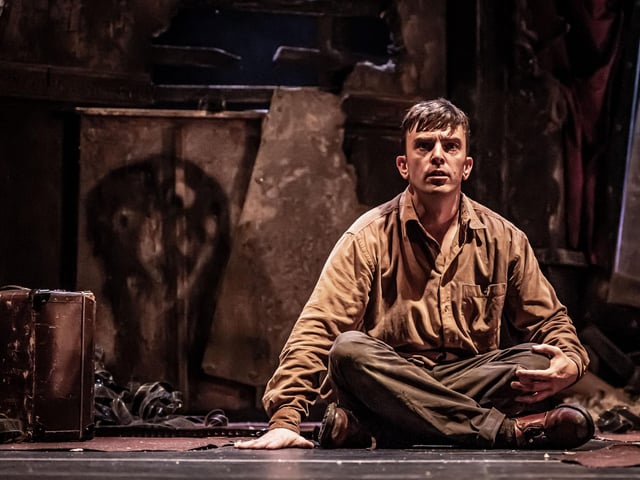
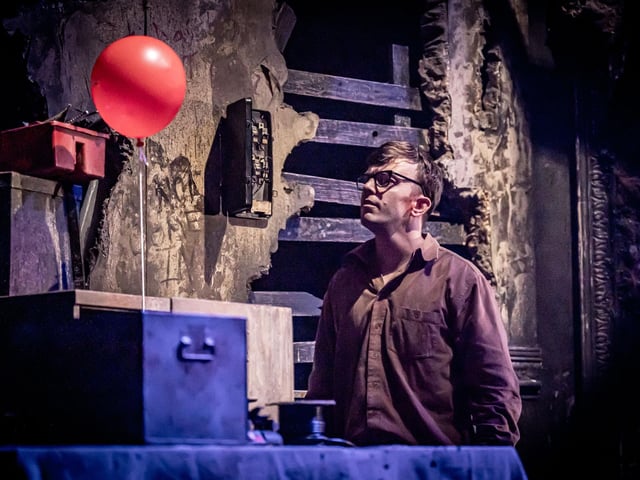
Alex Moran is the founder of Thunder Road Theatre and stars as Herbert in Shock Horror. His theatre credits include War Horse (National Theatre), A Clockwork Orange (Volcano) and Quality Street (Northern Broadsides).
Ryan, could you tell us how directing for a horror theatre show differs from directing a regular play?
Ryan: “Horror shows are very precise to direct. Scares have a delicate balance that require all the building blocks of action, light and sound to be aligned perfectly in order to deliver the killer burst of tension the audience crave. But most of all, horror is not about the monster jumping out on us, it’s about the slow creep up to where it’s hiding.”
How would you describe Shock Horror?
Ryan: “A ghost story blended with iconic horror cinema that delivers thrills, chills and jump scares. At the heart of Shock Horror lies the touching story of a haunted child, that leaves the audience wondering whether the true horror of the play is nature or nurture.”
Alex, what are some of your favourite things about performing horror theatre?
Alex: “I grew up watching The Woman In Black. 14 visits to see the show and it never gets old for me. Performing horror takes me right back to the first time I saw it. Like Herbert, I’m a kid again. I can only hope any audience member who sees this show shares the same sense of excitement that I felt back then. It was such an eye opening experience as a kid to see theatre done in a way that immerses the audience in a story so vividly.
The atmosphere in horror is totally different to any other theatre experience I’ve ever had.”
It sounds like 70s and 80s horror films have inspired the play. Can you tell us more?
Ryan: “Ever since A Nightmare on Elm Street traumatised me to ‘never sleep again’, I became fascinated with 80s horror and its unique ability to terrify with a smile. The Shining, Poltergeist, Hellraiser and the many late 70s horrors that didn’t bleed into the UK home video market until the early 80s have all kept me awake in the dark and inspired me to weave those nightmares into the world of Shock Horror.”
Alex, how have you approached Herbert as a character?
Alex: “I’m very lucky with Herbert, it was created by Ryan for me, based on me, which helps a great deal with my approach. I would certainly say trust and positive dialogue between you (as actor) and the director is always a great way to begin. Always try to work with them rather than against them, and you’ll create something you can perform with confidence and joy.”
What is your favourite thing about Herbert?
Alex: “He reminds me of me. Shock Horror! Certainly not in all aspects, but his childhood is not too dissimilar to mine and Ryan’s. I’m sure a lot of us felt alone as children, and Herbert is a clear example of how loneliness can have such a devastating effect on a young person.
It’s something I’m keen to make people aware of, to continue the conversation of how we spot the signs, and what we can do to make young people aware that they are loved, understood, and that they are not alone.”
We’ve heard that some puppetry features in the show, could you let us know about your experience with puppetry?
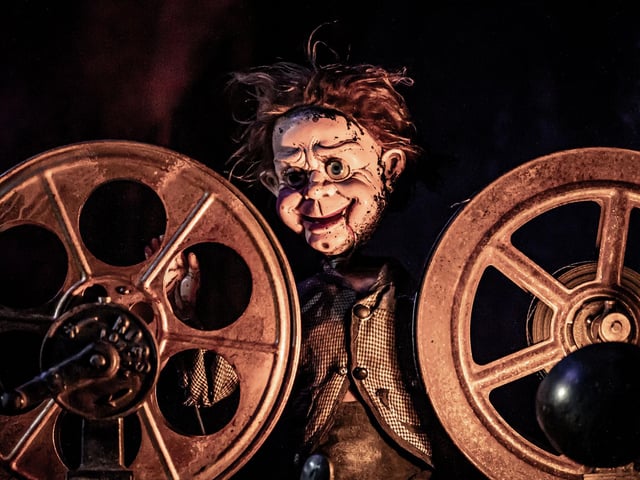
Alex: “War Horse was a wonderful part of my life and completely changed my approach to performance. Not just as a puppeteer, but as an actor too. The goal as a puppeteer is to make the audience believe your puppet is alive. So the clearest tip I can offer is breath. Make your puppet breathe and you will bring it to life.”
What are your top tips for people interested in writing or creating their own theatre company?
Ryan: “Just start. Accept that not everything you write will be brilliant, that’s okay, writing is rewriting, first you build, then you chip away at the bits you don’t want and then you polish to make it sound better when spoken out loud.
That last point is really important! Theatre is designed to be spoken out loud, it’s not an essay. Fancy words and a well structured sentence don’t fit every character.
Most people I know speak in... fractured... sort of... you know... broken sentences.”
Alex: “Style is important. As is creating work that you care about. When I started Thunder Road we created dark twisted tales adapted from classic novels; although we have evolved into new projects our audiences can identify with our style and look forward to our next project, and our next. This helped us grow as a company. Once you have a reputation for producing high quality work, you can change direction and take your audience with you.”
For tickets and venue information, visit: https://www.newtheatreroyal.com/performances/shock-horror.